How to adapt your race plan for heat, cold, altitude, wind

Gabriel Ricce
Lamorinda MBO Racing · USA Cycling Coach Level 3
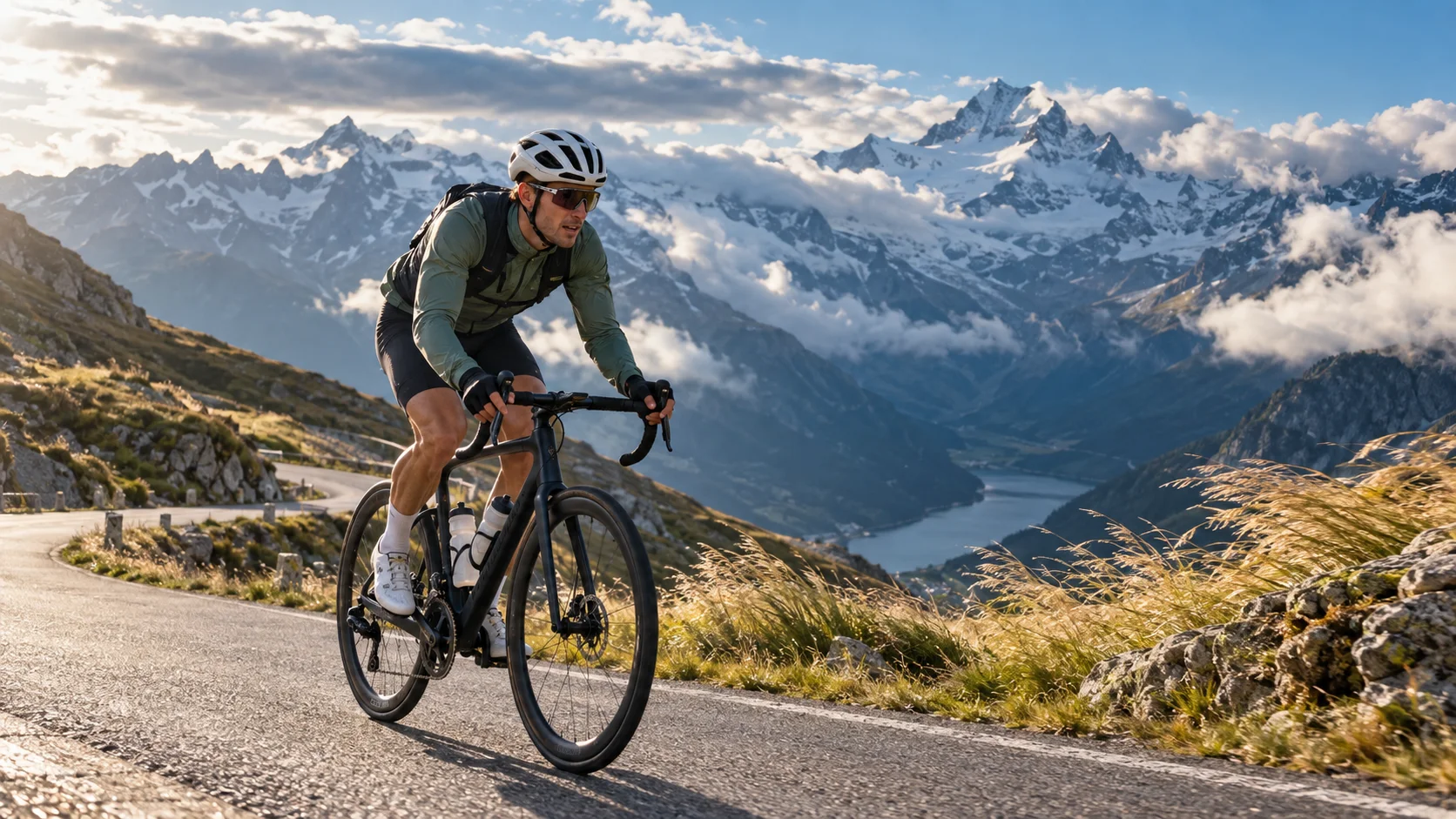
Adapt the plan, not your ambition. In heat, lower early intensity, increase cooling and match fluids and sodium to tested sweat losses. In cold, protect dexterity, schedule intake and manage layers before sweat accumulates. At altitude, reduce pace or power, avoid surges and use small, frequent carbohydrate and fluid doses. In wind, race by effort rather than speed, use legal shelter and choose stable equipment. Rehearse each version before race day and treat dizziness, confusion, uncontrolled shivering or unusual breathlessness as reasons to stop and seek help.
Why environment-specific race planning matters
Your body does not race in a vacuum. Heat, cold, altitude and wind each change physiology, pacing, fueling and risk. Heat raises core temperature and heart rate, increases cardiac drift and elevates sweat rate. That can mean larger fluid and sodium losses, earlier carbohydrate use and a lower sustainable pace or power.
Cold can mask thirst, reduce appetite and increase energy cost through shivering and excess muscle tension. Gloves, bottle insulation and accessible packaging become fueling tools, not accessories. Altitude reduces oxygen availability, so the power or pace you can hold at a given effort falls. Carbohydrate reliance and perceived exertion rise, while recovery between surges slows.
Wind changes the cost of movement. Headwinds magnify energy demand and drafting benefits. Tailwinds can tempt you to overpace and may reduce convective cooling. Crosswinds affect handling, group position and safe opportunities to drink. Ride or run by power, heart rate and perceived exertion—not speed alone.
Environment-specific planning turns those stressors into variables you can manage. Match hydration and sodium to measured losses, choose carb formats your gut tolerates and set effort ceilings that respect thermal load or thin air. Layers, sun exposure, bottle access and aid-station timing become part of the performance plan. For course-specific context, see race-day weather and conditions.
Racing in heat: pacing, hydration, electrolytes, and cooling
Heat changes the rules. Heart rate rises at a given pace, sweat losses climb and gastrointestinal tolerance can narrow. Plan for the change instead of forcing cool-weather numbers.
Pacing: Start easier than you feel. In hot conditions, reduce early intensity by roughly 3–8% versus your cool-weather effort, especially in the first third. Use effort or heart rate rather than pace alone. If you use power, stay near the lower end of the target zone and reassess every 15–20 minutes. Avoid unnecessary surges on hills and in direct sun. If heart rate will not settle, back off before heat accumulation becomes unsustainable.
Hydration: Replace a practical portion of sweat loss without overdrinking. A broad starting range is 400–1,000 ml (13–34 fl oz) per hour, individualized for body size, intensity and weather. Use the sweat-rate calculator with data from training in similar heat. Drink to a plan, but respond to the gut: if fluid sloshes or bloating develops, slow intake and reassess.
Electrolytes: Sodium supports fluid retention and blood volume, but needs vary widely. Salty sweaters may use 500–1,000 mg sodium per hour; lighter sweaters may need less. Spread sodium across bottles, food, gels or capsules instead of taking one large dose. Count everything in the sports drink to avoid accidental stacking. Swollen hands, nausea, confusion or low urine output can have several causes; slow down and seek medical support if symptoms are significant or worsening.
Carbohydrates in heat: Blood flow shifts toward the skin, so gut tolerance may fall. If your normal target is 60–90 g per hour, begin near the lower end and increase only if the stomach cooperates. Use glucose–fructose blends and avoid stacking concentrated products without enough fluid. See race-day nutrition fundamentals for the broader fueling framework.
Cooling: Reduce heat gain and increase heat loss. Pre-cool with an ice slurry or cold drink 15–30 minutes before the start. On course, prioritize shade, airflow and cooling the head, neck and torso with ice, sponges or water. Open zippers when safe and choose light-colored, breathable fabrics. Use ice from aid stations without carrying so much that clothing becomes heavy.
Execution checklist:
- Cap intensity for the first 20–30 minutes and let heart rate and RPE guide you.
- At aid stations, refill, take a measured drink, cool the head and neck, then move on.
- Watch for rising heart rate at steady output, dizziness, chills in heat, confusion or a sudden performance drop. Slow down, seek shade, cool aggressively and get medical help when symptoms persist.
If possible, use 5–10 days of progressively longer easy-to-moderate heat exposure before the race. Increase fluids and sodium modestly in the final two days if training data supports it, but avoid aggressive water loading. Carry enough fluid between aid stations and plan concentrations that can be diluted safely with on-course water. Accept slower splits as smart racing.
Before race morning, review gear and execution with the race-day checklist.
Racing in cold: layering, dexterity, fueling, and safety
Cold races reward practical systems. Stay warm without trapping too much sweat, protect hand function and keep fueling even when appetite falls.
Layer for breathability: Use a close-fitting wicking base layer made from merino or technical synthetic fabric. Add a thin thermal mid layer, then a windproof, water-resistant shell with vents or a two-way zipper. Avoid cotton. Protect the head, neck, hands and feet without making shoes so tight that circulation drops.
Protect dexterity: Use a modular glove system: thin liner plus insulated outer glove, with a waterproof shell mitten when rain, snow or strong wind is possible. Test every zipper, bottle, flask and wrapper with the full glove setup. Pre-open safe packaging, add larger zipper pulls and carry spare dry liners or gloves in a waterproof bag.
Fuel early and by time: Appetite may fall while energy cost rises. Front-load familiar carbohydrates and use options that remain easy to chew: gels carried near the body, chews, soft bars and warm drink mix. Insulate bottles, carry them upside down if freezing is likely and use wide-mouth caps. Set 10–15 minute reminders instead of waiting for hunger.
Hydrate despite low thirst: Cold blunts thirst, but respiration and sweat under layers still remove fluid. Take small, steady sips and include electrolytes rather than relying only on plain water. Urine color can add context at an aid station, but it should not be the only decision signal.
Manage output and moisture: Cold can hide how hard you are working. Start conservatively, then use RPE plus heart rate or power caps. Vent before you feel hot: unzip on climbs and close layers before descents. Preventing sweat buildup is easier than warming wet clothing later.
Carry an emergency layer, buff, spare gloves and a space blanket on exposed or remote courses. Know where wind funnels and add protection before ridgelines or long descents. Uncontrolled shivering, clumsiness, slurred speech or apathy are hypothermia warnings. Stop, seek shelter and medical support. Practice the full kit in training and use the race-day checklist before packing.
Racing at altitude: pacing ceilings, acclimatization, and fueling
Altitude lowers oxygen pressure, reduces maximal aerobic output and makes surges expensive. The plan should cap intensity, protect breathing rhythm and keep fluid and carbohydrates arriving in small doses.
Set lower ceilings: At 5,000–7,000 ft (1,500–2,100 m), many athletes notice a meaningful decline in sustainable pace or power; the effect generally grows with elevation. Start roughly 3–7% below a sea-level power target at moderate altitude, or race one RPE step easier through the first third. Heart rate can respond differently by athlete, so combine it with breathing, power or pace and RPE. Avoid repeated spikes on steep climbs.
Choose an arrival strategy: Full acclimatization takes weeks. When travel allows, arriving at least 2–3 weeks early offers time to adapt. A very late arrival, within about 24 hours, is sometimes used to limit time in the uncomfortable early adaptation window. Individual responses vary, so rehearse the approach when possible. Protect sleep and discuss iron testing with a qualified professional if low iron is a concern.
Account for dry air: Ventilation rises and dry air increases respiratory fluid loss. Begin hydrated and sip from the start rather than taking large boluses while breathing hard. Use sweat-rate and sodium-loss data when available. At altitude, combine urine observations with morning body-mass trends, thirst, symptoms and performance.
Protect the gut: Higher intensity and ventilation can reduce gut comfort. Keep effort steady and take small carbohydrate doses every 15–20 minutes instead of large hits every 45 minutes. Mixed glucose–fructose sources, chews, gels or liquid carbs may be easier than dense bars. Pair carbohydrates with electrolytes and scheduled sips. More guidance is available in race-day nutrition fundamentals.
Warm up briefly: Use mobility, 5–10 minutes of easy aerobic work and a few controlled pickups. Do not spend race-day matches in a long aggressive warm-up.
Sudden headache, dizziness, nausea, confusion or unusual breathlessness requires an immediate reduction in effort. Persistent or severe symptoms mean stop and seek medical support; a race is not worth pushing through altitude illness.
Racing in wind: tactics, positioning, and equipment choices
Wind changes pacing, fuel use, temperature control and how you spend matches. Treat it as a course feature rather than bad luck.
Read the wind before the start. Watch flags, trees, grass and the way athletes drift across the road. On an out-and-back, expect the direction to reverse relative to the course. Budget effort for the headwind leg and use the tailwind for controlled speed, not an early attack.
Headwind: Race by effort or power, not speed. On the bike, reduce frontal area while keeping a position you can sustain: flat back, tucked elbows and steady cadence. On foot, stay tall with a slight lean from the ankles, compact arm swing and stable cadence. Forcing speed into a headwind can destroy the second half.
Tailwind: Hold planned power or effort. Cyclists gain little from chasing excess watts at already high speed, and runners should avoid overstriding. A tailwind can reduce convective cooling in hot conditions, so keep drinking and cooling even when the speed feels easy.
Crosswind: In cycling, shelter sits diagonally downwind of the rider ahead. Move up before exposed bridges, ridgelines or open fields and hold a predictable line. Legal echelons reward short, smooth turns. In running, use the leeward side of a group or structure when allowed and safe.
Handling: Relax the upper body and keep a light, ready grip. Anticipate gusts from gaps, vehicles and hedges. Deep wheels increase steering torque, so choose stability first; 40–60 mm rims may balance aerodynamics and control, while lighter riders or very gusty forecasts may justify shallower wheels. Secure bottles, bibs, gels and loose layers.
Wind can make sweat disappear quickly and hide dehydration. Keep fluid and carbohydrate intake aligned with internal effort, not apparent speed or how dry the skin feels. See race-day weather and conditions for course-specific planning.
A simple framework: adjust fueling and hydration across conditions
Start with your temperate baseline: carbohydrate per hour, fluid guided by sweat rate and sodium concentration based on tested losses. For many endurance events, a practiced carbohydrate range is 60–90 g/h and a common sodium starting range is 400–1,000 mg/L, but both must be individualized.
| Condition | Effort adjustment | Fluids and sodium | Fueling execution |
|---|---|---|---|
| Heat | Reduce early intensity; use HR and RPE caps | Fluid rises with sweat rate; sodium follows measured loss | Keep carbs steady if tolerated; use smaller mixed-carb doses and cooling |
| Cold | Start controlled; vent before sweating heavily | Schedule small sips; sodium often stays near baseline | Front-load carbs; use warm fluids and packaging that works with gloves |
| Altitude | Lower absolute pace or power; avoid surges | Fluid may rise with ventilation and dry air; avoid large boluses | Maintain carbs through small 15–20 minute doses |
| Wind | Hold effort, not speed; use legal shelter | Follow the plan because evaporation can mask loss | Match carbs to internal load and use easy-access bottles and wrappers |
Adjust one dial at a time. Use the sweat-rate calculator to refine fluid targets, then record gastrointestinal comfort, thirst, sodium intake and output after training sessions. This guidance is educational; individualized targets belong with a qualified professional, especially when medical conditions are present.
Pacing playbook by condition and discipline
Use RPE, heart-rate drift and power or pace ceilings that flex with conditions. Sustainable early output matters more than a perfect split.
Heat
- Run: Open 15–30 seconds per mile (9–19 sec/km) slower than temperate goal pace for the first 3–6 mi (5–10 km). Walk 10–20 seconds at aid stations when cooling is needed.
- Bike or triathlon: Reduce target power 5–10% from the cool-day plan. If heart rate drifts more than 5–8 bpm at steady watts, lower power by 5–10 W and reassess.
- Open-water swim: Start smoothly for 200–400 m (220–440 yd) and avoid surges that raise core temperature.
Cold
- Run: Start controlled while muscles warm. Shorten stride slightly on slick surfaces and keep cadence stable.
- Bike: Hold back about 5% for the first 20–30 minutes. Protect hands so braking and shifting remain safe.
- Swim: Use a progressive start and confirm breathing rhythm before raising effort.
Altitude
- Run: Above roughly 5,000 ft (1,500 m), cap effort by breathing and RPE. Expect slower pace and power-hike steep trail grades early.
- Bike: Reduce sustained power roughly 5–15% depending on elevation and acclimatization. Hold even power and avoid repeated oxygen-demand spikes.
- Swim: Begin 10–15% easier for 200–400 m (220–440 yd) while ventilation stabilizes.
Wind
- Run: Accept slower splits into a headwind and hold effort. Use a tailwind to maintain form rather than force a surge.
- Bike: Treat wind like terrain. Keep steady power into headwinds and crosswinds, stay within planned watts with a tailwind and use legal drafting when safe.
Triathlon integration: Exit the swim controlled. Execute the condition-adjusted cap on the bike, then hold a conservative HR or RPE ceiling for the first 2–4 mi (3–6 km) of the run.
Trail and ultra: Power-hike early steep grades, use time-on-feet and HR caps instead of rigid pace and protect the quadriceps on descents.
Decision cues:
- If HR rises more than 5–8 bpm at constant output, reduce effort 5–10% and reassess after 5–10 minutes.
- If breathing becomes ragged at conversational effort, downshift one pace or power band.
- If cooling fails, slow down, douse and reset before pushing again.
Review the race-day checklist before finalizing pacing and aid-station decisions.
Adaptive gear checklist
Tune the kit to the forecast, pack safety redundancies and test every item in training.
Heat: hot, humid or strong sun
- Light breathable cap or visor, ventilated sunglasses and optional UPF sleeves.
- Technical singlet or jersey, thin wicking socks and tested anti-chafe balm.
- Electrolyte bottles or soft flasks, ice-carrying option and cooling towel.
- High-SPF sweat-resistant sunscreen and a small reapplication stick.
Cold: chilly, wet or freezing
- Wicking base, insulating mid layer and windproof or waterproof shell.
- Thermal head covering, buff, liner gloves, insulated gloves and waterproof over-mitts.
- Thermal socks, toe warmers when appropriate and low-light lenses.
- Space blanket or ultralight bivy for remote mountain courses.
Altitude: thin air, intense UV and volatile weather
- High-coverage sunglasses, brimmed cap and neck protection.
- Packable wind and rain shell plus an extra mid layer.
- Additional hydration capacity and a safe refill method where permitted.
- Poles for long climbs or loose descents when race rules allow them.
Wind: sustained or gusty
- Close-fitting shell, secure headwear and a low-profile hydration vest.
- Clear or amber eye protection for debris.
- Tape or balm for rubbing points and no loose fabric or storage straps.
Essentials across conditions
- Headlamp with fresh batteries and a spare for early or late starts.
- Whistle, identification and course map or GPX on a charged device.
- Small repair kit, blister care and backup nutrition/electrolytes for delays.
Use the detailed race-day checklist to review gear and nutrition before race morning.
Test days: rehearse your plan before race day
Treat test days like dress rehearsals. Match the start time, terrain and environmental stress as closely and safely as possible. Validate fueling, hydration, pacing, gear access and emergency decisions.
Heat: Use a warm outdoor session or controlled indoor setup. Start hydrated, execute planned fluid and sodium targets, and estimate sweat rate from pre/post body mass. Record GI comfort, thirst and RPE. Test cooling methods and use the sweat-rate calculator to refine the plan.
Cold: Train near the lower end of the forecast range. Test race layers, hand coverage, bottle flow and nutrition access with gloves. Record how long it takes to warm up and when each layer needs to open or come off.
Altitude: If altitude is unavailable, rehearse the reduced output targets at home. If you can train high or use a supervised hypoxic setup, keep the session specific and record appetite, thirst, breathing and heart-rate drift. Test higher carb intake cautiously. See race-day nutrition fundamentals.
Wind: Choose a safe route with sustained headwind. Practice stable aero positioning, cadence, conservative power and nutrition access. Confirm that bottles, bento storage and layers stay secure.
Capture pre/post body mass, fluid consumed, sodium per hour, carbs per hour, GI symptoms, power or pace versus RPE and thermal comfort. Change one variable between tests so cause and effect remain visible. Two to four weeks out, run a short A-to-B rehearsal: warm up, execute the first hour exactly, practice aid-station or bottle handoffs, then debrief the same day.
Safety first
Environmental racing requires conservative decisions. In heat, prioritize cooling and access to fluid over pace. Dizziness, confusion, chills in the heat or a sudden performance collapse are stop-now signals. In cold, unresolved shivering, clumsiness, slurred speech or numbness require shelter and warming. At altitude, stop for persistent headache, nausea, dizziness or unusual breathlessness. In strong winds, give extra space, avoid unstable equipment and leave tightly packed groups if control is compromised.
This article is educational and does not replace medical advice. Consult a qualified professional for individual guidance. For course-specific context, review race-day weather and conditions.
Turn your environmental plan into a race-day checklist
Lock the adjustments into a short checklist for the night before and the start line.
- Forecast: Check temperature, humidity, wind direction, gusts, UV, precipitation and altitude profile.
- Gear: Stage heat, cold, rain and wind layers; test every closure with race gloves.
- Hydration: Write fluid and sodium targets by hour and mark refill points.
- Fueling: Pack familiar carbohydrates by time, plus a delay buffer.
- Pacing: Record the condition-adjusted HR, RPE, power or pace ceiling.
- Cooling or warmth: Assign ice and dousing stops, or layer changes before exposed sections.
- Crew: Brief helpers on bottle swaps, clothing changes and stop-now symptoms.
- Final pass: Mark the plan on a bib card, top tube or watch and recheck aid-station services on race morning.
Frequently asked questions
How much should I slow down in heat?
Expect roughly 3–10% slower pacing as heat and humidity rise. Start conservatively and use heart rate and RPE rather than forcing cool-weather pace.
How do I adjust hydration on hot race days?
Replace a practical portion of sweat loss rather than trying to replace all of it. Test in similar heat, begin early and include sodium according to measured sweat and fluid losses.
What should I change about fueling in heat?
Keep the carbohydrate target consistent if tolerated, but use smaller, more frequent doses and enough fluid with concentrated products. Gels, chews and drink mix are often easier when appetite falls.
How should I dress for a cold race?
Use a wicking base, light insulating layer and windproof shell as needed. Protect hands, head and feet, but vent early enough to prevent sweat from soaking the layers.
Do I need extra calories in cold conditions?
Cold and shivering can raise energy expenditure, but the first priority is executing the practiced carbohydrate plan. Carry a delay buffer and choose foods that remain easy to open and chew.
How do I handle altitude if I cannot fully acclimatize?
Lower early pace or power, shorten the warm-up and avoid repeated surges. Arrive well ahead when possible or discuss a late-arrival strategy with a qualified coach or clinician familiar with your history.
Should I take more electrolytes at altitude?
Fluid needs may rise because ventilation and dry air increase losses. Adjust sodium to the extra fluid and measured losses rather than increasing it automatically or excessively.
What is the best pacing strategy in wind?
Into a headwind, hold effort or power and allow speed to fall. With a tailwind, stay within the planned effort; in crosswinds, prioritize legal shelter, position and control.
How often should I rehearse an environment-specific race plan?
Complete at least two or three key workouts in similar conditions. Test pacing, fueling, hydration and gear, then change one variable at a time based on the results.
What authoritative sources support hydration, sodium, carbohydrate, heat and altitude guidance?
Core sources include the ACSM Position Stand on Exercise and Fluid Replacement (Sawka et al., 2007; doi:10.1249/mss.0b013e31802ca597), IOC sports-nutrition consensus resources, Burke et al. (2011) on carbohydrates, Cheuvront and Montain (2007) on hyponatremia risk, Nybo et al. (2015) on heat strain, and altitude reviews by Millet et al. (2010) and Chapman et al. (2014; doi:10.1152/japplphysiol.00098.2014).
Turn this strategy into a real plan.
FuelQ Pro builds personalized fueling for your training weeks, long rides and races — plan, execute, review, improve.