Unlimited Race-Prep Plans for a Target Race
Gabriel Ricce
Lamorinda MBO Racing · USA Cycling Coach Level 3
Unlimited race-prep plans
Unlimited race-prep plans are one plan per event, rebuilt when the race, the weather, or the last session changes. You enter body mass, a sweat rate or a guided estimate, the intensity and the duration, the climate, and what your gut has already tolerated. The plan comes back as carbohydrate in grams per hour, sodium in milligrams per hour, and fluid in milliliters per hour, plus the meals around the start. It is not medical advice, and it is not the same bottle for every rider. Organize the week with the Cycling Race Fueling Checklist. Check one event with the Race Fueling Estimate. The meal before the start is in What to Eat Before a Bike Race.
The loop is the same each time. The targets are not.
- Assess body mass, sweat rate, intensity, duration, climate, and gut tolerance.
- Calculate carbohydrate grams per hour, sodium milligrams per hour, and fluid milliliters per hour.
- Plan the meals and the on-bike timing for that event.
- Test the plan in a key session.
- Refine from what you log: RPE, gut comfort, thirst, and splits.
| Step | What you enter | What the plan sets |
|---|---|---|
| Assess | Body mass, sweat rate, intensity, duration, climate, gut tolerance | Which session the plan is for |
| Calculate | Those inputs | Carbohydrate g/hr, sodium mg/hr, fluid ml/hr |
| Plan | The event | Meal timing and on-bike fuel |
| Test | A key session | Whether those targets hold |
| Refine | RPE, gut comfort, thirst, splits | The next event's targets and timing |
After the finish, eat to replace the session you actually did. The plate for that window is the same idea as What to Eat After a Bike Race. A hot race and a cool race should not share one sodium number. A rider who has never practiced 90 g of carbohydrate per hour should not start there on race morning.
Free: the Race Fueling Checklist
Turn this into a race-week plan: carbs, fluids, sodium, caffeine and aid-station prep in one free PDF you can print or keep on your phone.
Common mistakes when every race gets a plan
Unlimited means a new plan when the event changes. It does not mean a new plan every morning that you never ride.
- Changing the grams the night before the race. The test session is where 60 g versus 90 g gets decided. Race morning uses the rate the gut already held.
- One sodium number for a hot race and a cool race. The ACSM fluid range of about 400–800 ml per hour, and the sodium that goes with your sweat rate, move with the temperature. Enter the forecast, then rebuild.
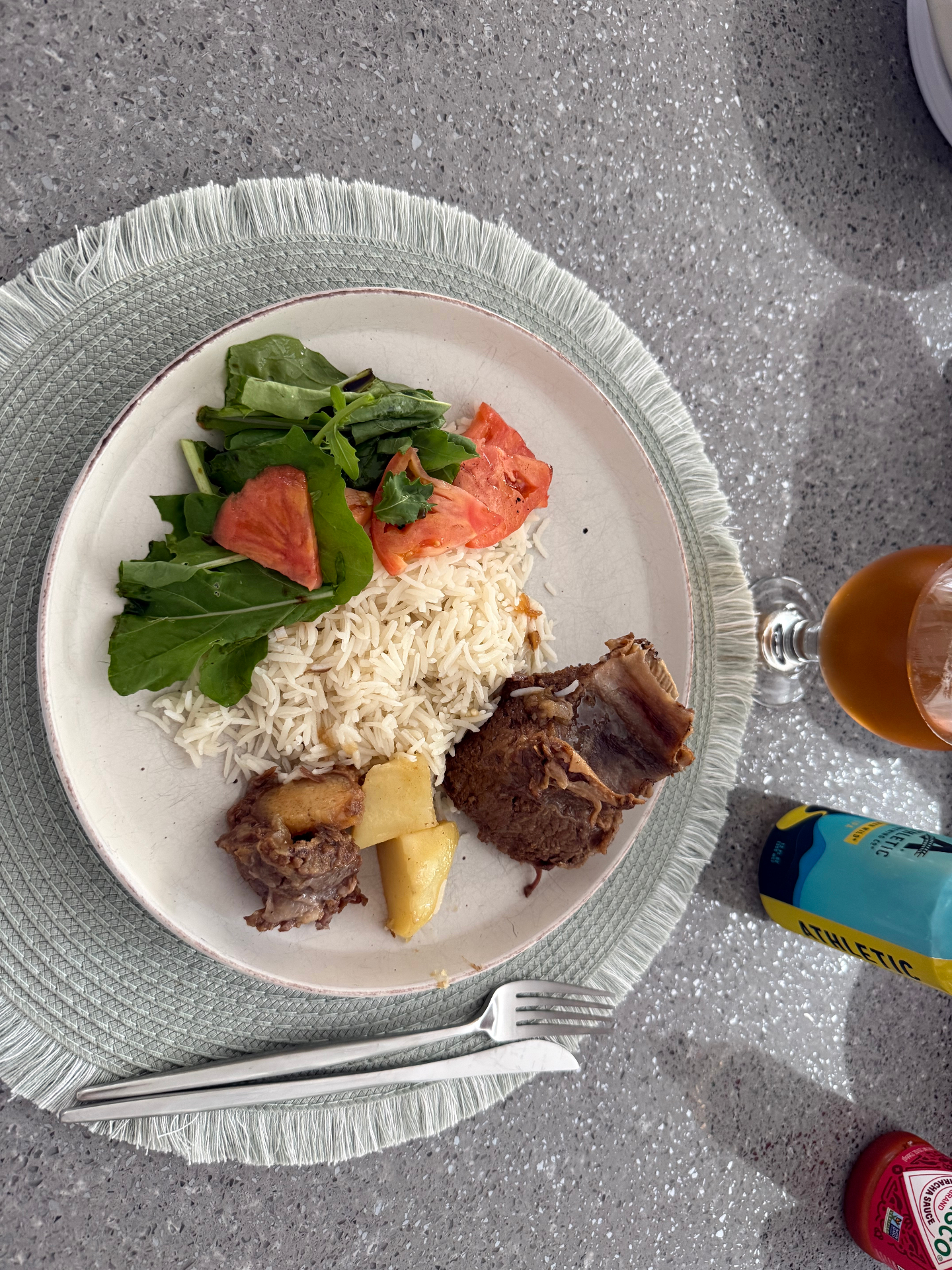
- Skipping the meals around the start. The hourly number is the top-up. Breakfast two to three hours out, about 1–1.5 g of carbohydrate per kg, is still the base.
- Treating a plan you have not tested as ready. If the key session felt heavy in the gut, the next plan uses a smaller rate, not a larger one.
A worked week before the event
| Day | Session | What the plan sets |
|---|---|---|
| Mon | Rest | Ordinary meals. Note body mass if you use it as an input. |
| Tue | Easy 60 min | Confirm the bottle you will actually carry. |
| Wed | Race-pace efforts | Practice the carbohydrate rate for the event, not a higher one. |
| Thu | Short | Keep the meal pattern you will use on race morning. |
| Fri | Openers or rest | No new food. Sodium and fluid follow the forecast, not last month's race. |
| Sat | Target race | The tested g/hour, ml/hour, and mg sodium/hour. Breakfast 2–3 hours out. |
The hourly targets are a starting point from the ACSM sports-nutrition consensus. They are not medical advice. They are the wrong tool for riders under 18, during pregnancy, or when a clinician has already set a fluid or carbohydrate limit.
What you enter, and what stays fixed
Body mass is the scale weight on a normal training morning, not a guess after a poor night. Sweat rate is the change in body mass across a steady hour, plus what you drank, minus what you passed. If you have never measured it, measure one ride that matches the race temperature, then type that number in. Intensity is the effort you will actually hold, not the effort you hope for in the first ten minutes. Duration includes a realistic climb. It is not the time of your best training day.
Climate is the forecast for the hours you will be on course, not the monthly average. Gut tolerance is the highest carbohydrate rate you have finished in training without distress. The plan may show a higher number from the ACSM range. You still start from the rate you have held. Sodium follows the sweat rate and the heat. A cool start with a hot afternoon is two bottles, not one compromise number for the whole day.
The meals do not reset every time the hourly numbers move. Breakfast stays the meal you have used before hard starts. Carbohydrate grams per hour, fluid, and sodium are the lines that change when the forecast changes.
Price and the rest of this campaign
FuelQ Pro is $9 a month. Each event you add gets its own race-prep plan. The week of meals around training is weekly meal plans. The long ride that rehearses the rate is nutrition strategies for long rides. The plate after the finish is recovery guidance.
Frequently asked questions
How does FuelQ Pro generate and adjust race-prep plans?
The loop is assess, calculate, plan, test, refine. Inputs are body mass, a historical sweat rate or a guided estimate, workout intensity and duration, climate, and past gut tolerance. From those, the plan sets carbohydrate grams per hour, sodium milligrams per hour, and fluid milliliters per hour. After a key session or a race, you log RPE, gut comfort, thirst, and splits. The next plan uses that log to change targets and timing.
Are these race-prep plans medical advice or guaranteed to work for everyone?
No. The plans and tools are educational. They do not replace a qualified healthcare or sports-nutrition professional. Responses vary with health, training load, environment, and equipment. Results are not guaranteed, and the tool does not make a medical diagnosis.
What evidence informs your nutrition and hydration recommendations in race-prep plans?
The ranges follow consensus statements and position stands, including the American College of Sports Medicine hydration statements (Sawka et al., 2007 and the 2016 update) and the International Society of Sports Nutrition carbohydrate guidance (Kerksick et al., 2018), plus heat-acclimation practice (Racinais et al., 2015). ACSM hydration and cooling: https://www.acsm.org/education-resources/trending-topics-resources/hydration. ISSN exercise nutrition: https://jissn.biomedcentral.com/articles/10.1186/s12970-018-0242-y. Heat acclimation consensus: https://bjsm.bmj.com/content/49/2/116.
Turn this strategy into a real plan.
FuelQ Pro builds personalized fueling for your training weeks, long sessions and races — plan, execute, review, improve.