What to Eat Before a Bike Race for Better Power
Gabriel Ricce
Lamorinda MBO Racing · USA Cycling Coach Level 3
The best thing to eat before a bike race is a familiar, carbohydrate-rich meal that matches the duration and intensity of the event. Most cyclists perform best by consuming 1-4 grams of carbohydrate per kilogram of body weight in the one to four hours before the start, while avoiding foods that increase the risk of gastrointestinal discomfort. The goal is not to find the perfect breakfast, but to begin the race with full glycogen stores, stable energy, and a fueling plan you have already tested in training.
The last thing you eat before the start line cannot rescue an underfueled week. It can, however, determine whether you begin with stable energy or spend the opening miles already borrowing from limited glycogen stores. Knowing what to eat before a bike race is less about finding a magic breakfast and more about matching carbohydrate intake, timing, and food choice to the demands ahead.
For road races, gravel events, and mountain bike races, the best plan is the one you have rehearsed in training. Race morning is an execution problem, not a time to test a new bakery stop, a high-fiber smoothie, or a larger-than-usual coffee.
What to eat before a bike race: start with the event
Your pre-race meal should reflect how much carbohydrate you need available, how long you have to digest it, and whether the race will force repeated high-intensity efforts. A 60-minute criterium, a four-hour gravel race, and a technical MTB event may all start at 9 a.m., but they do not place the same demands on your stored fuel or your gut.
For most endurance races, arrive with glycogen stores topped up from the previous day and use race morning to maintain that position. If the event lasts longer than 90 minutes or includes sustained threshold work, climbs, heat, or aggressive starts, carbohydrate availability becomes more consequential. Starting even slightly underfueled raises the risk that your planned on-bike intake will only slow the decline rather than support performance.
A practical target is 1-4 grams of carbohydrate per kilogram of body weight in the one to four hours before the start.
The longer the gap before racing, the closer you can move toward the upper end. The closer you are to the gun, the smaller and simpler the feeding should be.
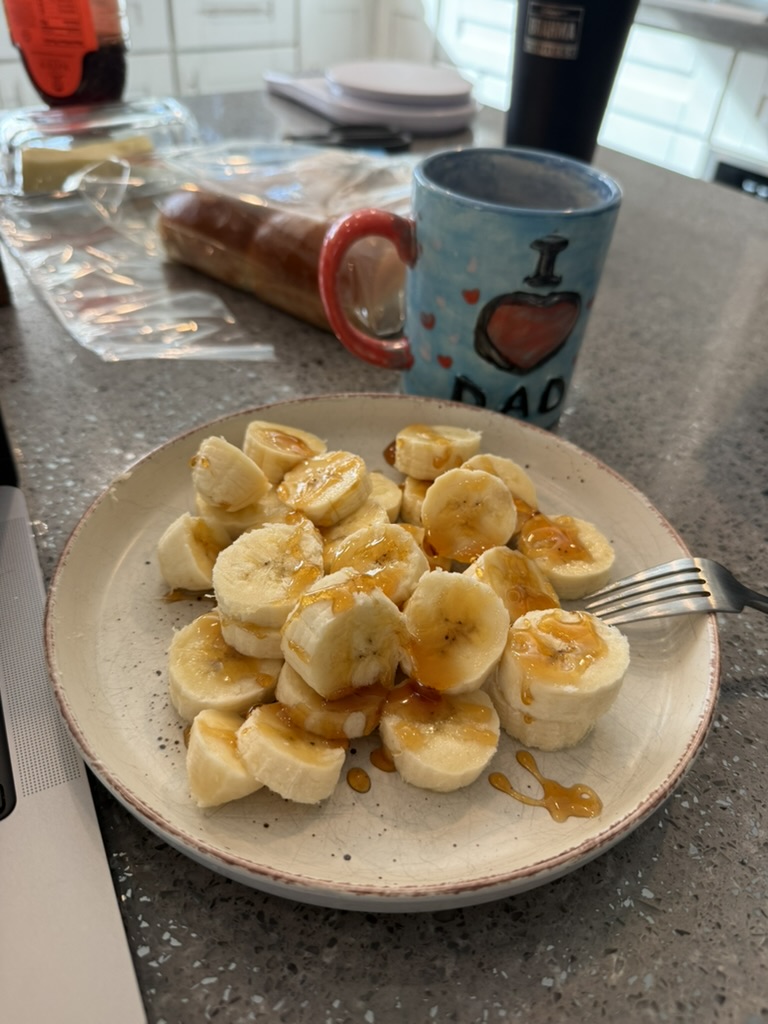
- 3-4 hours before: 2-4 g/kg — oatmeal with banana, pancakes with syrup, white rice with eggs, bagel with jam.
- 1-2 hours before: 25-60 g — banana, bagel, applesauce, sports drink.
- 15-30 minutes before: 20-30 g — energy gel, chews, sports drink.
This range is broad by design. A 165-pound cyclist, roughly 75 kilograms, may do well with 150-200 grams of carbohydrate three hours before a long gravel race. That same rider may need only 30-60 grams before a short evening criterium if normal meals have already covered the day's energy needs.
Free: the Cycling Race Fueling Checklist
Turn this into a race-week plan: carbs, bottles, sodium, caffeine and feed-zone prep in one free PDF you can print or keep on your phone.
Build the main meal around carbohydrate
The main pre-race meal should be familiar, carbohydrate-forward, low in fiber, and moderate to low in fat. Protein is useful, but it is not the primary performance lever in the final hours. Large servings of fat, fiber, and protein can slow gastric emptying and create a full, unsettled feeling once intensity rises.
Three to four hours before a morning race, many riders perform well with a meal such as oatmeal with banana and maple syrup, white rice with eggs and fruit, pancakes with syrup and yogurt, or a bagel with jam plus a small serving of eggs. The right option depends on tolerance, but the structure stays consistent: easy-to-digest carbohydrate first, then modest protein if it works for you.
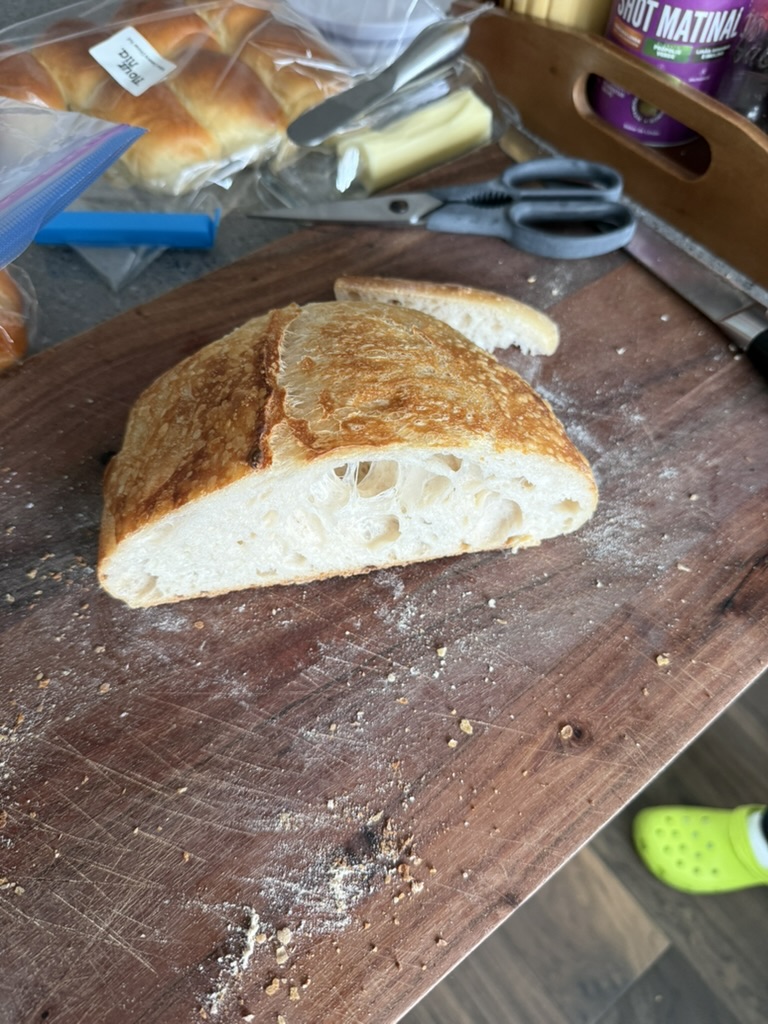
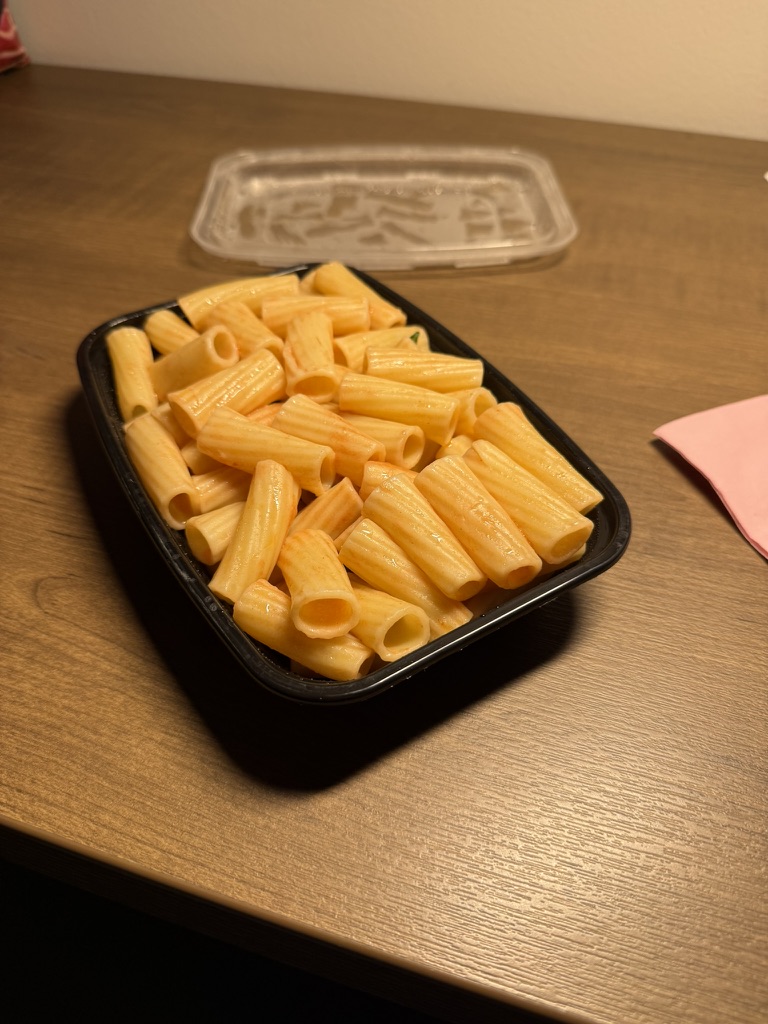
Avoid turning race breakfast into a nutrition purity test. Whole grains, nut butter, seeds, heavy dairy, and large vegetable servings can be excellent foods in normal training life. They are not always ideal immediately before hard racing. Lower-fiber options such as white rice, bagels, cereal, pancakes, potatoes without heavy toppings, bananas, applesauce, and sports drink are often more predictable.
If you race later in the day, eat normal carbohydrate-rich meals earlier, then reduce meal size as the start approaches. A large lunch four hours before an evening race may work. A dense meal 90 minutes before the start often does not.
Use timing to reduce GI risk
The clock changes the plan more than most athletes realize. A meal eaten three hours before a start has time to clear the stomach. A meal eaten 30 minutes before a start needs to be compact, mostly carbohydrate, and easy to consume under stress.
Use this framework:
- Three to four hours out: Eat the main carbohydrate-rich meal. This is your best window for meaningful intake.
- One to two hours out: Add a smaller top-up if needed, usually 25-60 grams of carbohydrate from familiar foods or drink.
- In the final 15-30 minutes: Use 20-30 grams of quick carbohydrate if the start will be hard or your previous meal was light.
- At the line: A small mouth rinse, gel, chews, or sports drink can be useful, but it should fit the fueling plan you have practiced.
A late carbohydrate top-up is especially useful when staging takes longer than expected, the start is delayed, or the opening phase will be maximal. Think of it as maintaining availability, not cramming in calories. If you are standing in the corral feeling hungry, the issue may be that the pre-race meal was too small, too early, or poorly matched to the previous day's intake.
Account for race type and start intensity
Course profile changes what "ready" means. A road race with a controlled opening may give you time to settle into your on-bike fueling. A short-track MTB race or gravel event that hits a steep climb in the first five minutes does not. Those races reward a more deliberate pre-start carbohydrate top-up because eating during the opening may be impossible.
For a short race under 90 minutes, prioritize arriving fed but not heavy. Your carbohydrate stores should be prepared in advance, and a normal meal plus a small pre-start snack may be enough. Do not overeat because the event feels intense. Excess food in the stomach will not become usable power by the first lap.
For a two- to five-hour endurance race, the main meal matters more, but so does the handoff to riding nutrition. Start eating and drinking early enough on the bike that your intake is proactive. A strong breakfast followed by an empty first hour is a common failure pattern, particularly in cool weather when hunger signals are muted.
Ultra-distance gravel events require an even wider view. The pre-race meal is one part of a multi-hour system that includes carbohydrate targets, fluid, sodium, aid-station decisions, food texture, and backup options. Do not rely on breakfast to carry an event that needs consistent intake all day.
Hydrate without creating a bathroom problem
Begin race morning hydrated from the day before. Trying to fix dehydration with a large volume of plain water in the final hour can leave you uncomfortable and does little to create a better fluid balance by the start.
A useful approach is to drink with breakfast, then sip based on thirst and conditions. If it is hot, humid, or you know you are a salty sweater, include sodium in your fluid plan. If the event is cool and short, forcing a full bottle before staging may be counterproductive.
Coffee deserves the same individual approach. Caffeine can improve alertness and performance, but only when dose and timing are familiar. If you use it, keep race-day coffee consistent with training. Avoid adding extra caffeine because nerves made sleep poor. That can raise anxiety, worsen gut symptoms, and make pacing errors more likely.
Solve the common race-morning mistakes
The most frequent mistake is underestimating carbohydrate because the athlete ate a "healthy" breakfast. Eggs, avocado, and vegetables may be nutritious, but they provide little readily available carbohydrate unless paired with substantial bread, rice, potatoes, fruit, or cereal.
The second mistake is eating a large meal too close to the start. This usually happens when travel, packet pickup, parking, and staging compress the morning. Build backward from the start time and prepare food you can eat in the car or hotel if needed. Convenience is a performance variable on race day.
The third mistake is changing everything at once. New gels, a concentrated drink mix, unfamiliar caffeine, and a different breakfast create too many variables. If the gut fails, you will not know what caused it. Test one adjustment at a time during key training sessions.
Finally, do not confuse hunger with a need for a full meal. Pre-race nerves can mimic hunger, while anxiety can suppress appetite. A planned carbohydrate snack or drink is often enough to close the gap without overwhelming your stomach.
Turn pre-race fueling into a repeatable system
The best pre-race plan is recorded, tested, and refined. Track your meal timing, estimated carbohydrate intake, fluids, caffeine, weather, start intensity, gut comfort, and perceived energy through the first hour. Then compare those notes with power, heart rate, pacing, and outcome.
FuelQ Pro can help organize that process around the actual demands of a route and training block, rather than treating every race breakfast as the same problem. Over time, patterns become clear: perhaps 2 grams per kilogram three hours before works for road racing, while a smaller meal plus liquid carbohydrate is better before early MTB starts.
Keep the next race simple. Choose foods you already tolerate, set a carbohydrate target based on the event, eat early enough to digest, and carry the plan into the first hour on the bike. Reliable fueling is not dramatic. It is one less source of uncertainty when the race gets hard.
Turn this strategy into a real plan.
FuelQ Pro builds personalized fueling for your training weeks, long rides and races — plan, execute, review, improve.