Hydration Strategy for Endurance Athletes: How to Plan and Optimize
Gabriel Ricce
Lamorinda MBO Racing · USA Cycling Coach Level 3
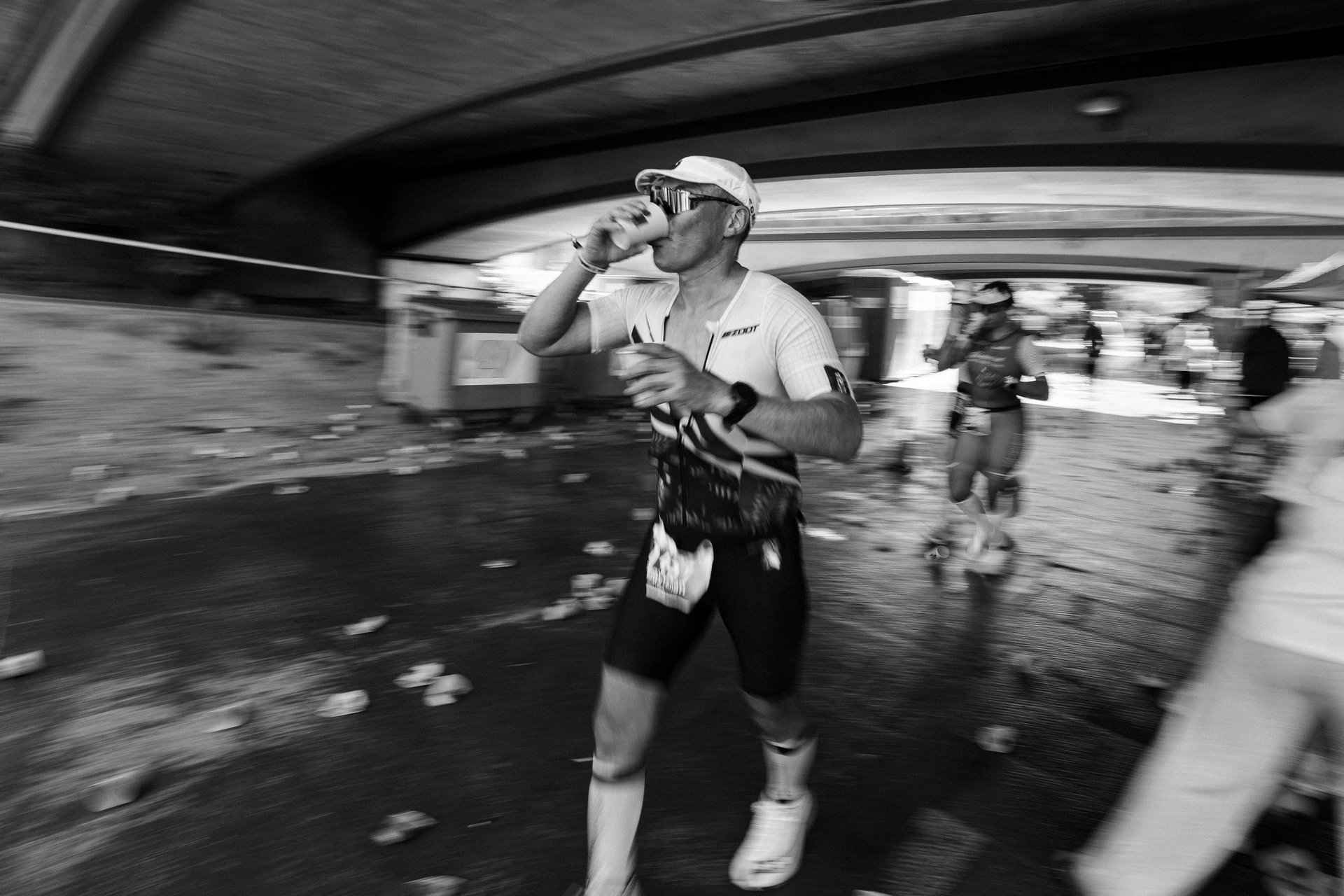
Endurance athletes should plan hydration like they plan training: match fluid and sodium intake to sweat rate, heat, intensity and duration — typically 500–1,000 ml of fluid per hour with 400–1,000 mg of sodium, adjusted to individual response.
If you have ever felt your performance drop during a long training ride or race, hydration was almost certainly part of the reason. For endurance athletes, staying in fluid balance is far more than just quenching thirst — it is a matter of performance, health and, at times, safety.
Why hydration is essential for endurance athletes
During prolonged activity, you lose fluid and electrolytes through sweat. That loss varies with intensity, temperature, humidity and even genetics. Without proper replacement, the body responds with drops in power output, cramps, dizziness and, in extreme cases, complete breakdown. Dehydration also impairs digestion, nutrient absorption and post-training recovery. Learn more about the role of electrolytes in this process.
Another key point: thirst is not always a reliable signal. By the time it kicks in, your body is usually already feeling the effects of dehydration. That is why planning hydration is as much a part of your training as the ride, run or swim itself.
Understanding your sweat profile, choosing the right strategies and adjusting hydration to weather and race format are essential steps for any athlete who wants to progress. Hydrating is not just about drinking water — it is an athlete-level strategy.
Free: the Cycling Race Fueling Checklist
Turn this into a race-week plan: carbs, bottles, sodium, caffeine and feed-zone prep in one free PDF you can print or keep on your phone.
Quick definition: sports hydration
Sports hydration is the planned process of replacing water and electrolytes lost through sweat during exercise, in enough volume and frequency to preserve blood volume, sustainable power and mental clarity, without overdoing it to the point of discomfort or hyponatremia.
How to build your personalized hydration strategy
Recognizing that every athlete has different needs is the first step to creating an effective hydration strategy. Sweat volume, training intensity, session duration and even the weather all directly influence how much fluid and how many electrolytes you need to replace on the bike, on the run or during a marathon MTB race.
Start by evaluating your own sweat: do you usually finish sessions with your jersey soaked or almost dry? Do you cramp often? Do you feel thirsty or have a dry mouth during activity? These signals help you calibrate fluid and electrolyte intake. Use tools like the sweat rate calculator to better understand your profile.
Build a simple plan in 5 steps:
- Measure your sweat rate per hour in typical training conditions.
- Define how much fluid you plan to consume per hour.
- Choose the drink (water, sports drink or a combination) and the sodium concentration.
- Program regular drinking intervals (by time or by distance).
- Test it in long training sessions, take notes and adjust the following week.
Remember: waiting to feel thirsty can be too late to avoid the crack. To go deeper, check the cycling hydration calculator.
Whenever possible, test in long training rides. Write down how much you drank, how you felt and adjust as needed. There is no magic formula — ideal hydration is the one that adapts to your body and your training routine.
For an even more precise plan, use the FuelQ Pro Cycling Hydration Calculator and dial in your personalized hydration.
How to adjust hydration for different sessions and conditions
The ideal hydration plan is not a fixed formula: it must be adapted to the type of session, intensity, duration and weather conditions. In short, low-intensity sessions, replacement can be simpler and focused on water to maintain balance. In long sessions — especially in heat or humidity — fluid and electrolyte losses climb and demand a more detailed strategy.
Before training, make sure you are well hydrated, but avoid overdoing it to prevent discomfort. During activity longer than one hour, consider alternating between water and drinks with electrolytes such as sodium and potassium to help prevent cramps and preserve performance. Listen to your body: thirst, dry mouth, dark urine and fatigue are all warnings that something needs to be adjusted. Learn more about how much water to drink while cycling for different types of sessions.
After training, replace what you lost. A practical tip: weigh yourself before and after exercise. Each kilogram lost equals roughly one liter of fluid to replace. Remember: hydration is individual. Test different volumes and drink types in training to find what works best for you.
Reference table: fluid and sodium by condition
| Condition | Duration | Fluid per hour | Sodium per hour |
|---|---|---|---|
| Cold (< 15°C / 59°F) | Up to 2 h | 400–600 ml | 300–500 mg |
| Mild (15–22°C / 59–72°F) | 2–4 h | 500–750 ml | 400–700 mg |
| Hot (23–30°C / 73–86°F) | 2–5 h | 750–1,000 ml | 600–900 mg |
| Very hot and humid (> 30°C / 86°F) | Long race | 1,000–1,500 ml | 800–1,200 mg |
Values are starting estimates for healthy adult athletes. Heavy sweaters and very hot races may require even larger volumes — which is exactly why individual measurement matters.
Common hydration mistakes in endurance
- Starting the session or race already dehydrated.
- Relying on thirst alone as the signal to drink.
- Using plain water only in long or hot sessions.
- Applying a "fixed rule" without measuring your own sweat rate.
- Rehydrating too quickly after the race without enough sodium.
Build your personalized hydration plan
Every athlete has a different sweat rate, and your local weather changes everything. Combine your sweat measurement with a structured plan so you do not leave performance out on the road.
Calculate your hydration and build a personalized plan →
For a complete strategy that integrates hydration, carbs and electrolytes across the race, consider a personalized plan:
Build my personalized fueling plan →
This content is educational and does not replace individualized medical or nutrition advice.
Frequently asked questions
How much fluid should endurance athletes drink per hour?
Most endurance athletes do well with 500–750 ml per hour in mild conditions and 750–1,000 ml per hour or more in heat. Individual sweat rate is the best guide.
Is thirst a reliable signal to drink?
No. By the time you feel thirsty, mild dehydration has usually already started affecting performance. Drink on a schedule during long or hot sessions.
Do I always need electrolytes?
For sessions under 60 minutes in mild weather, water is usually enough. Beyond that, especially in heat, adding sodium and other electrolytes helps maintain performance and reduces cramp risk.
How can I test my sweat rate?
Weigh yourself before and after a 1-hour session without eating or drinking. Each 1 kg lost equals roughly 1 liter of sweat. Add whatever you drank during the session for the total.
Turn this strategy into a real plan.
FuelQ Pro builds personalized fueling for your training weeks, long rides and races — plan, execute, review, improve.