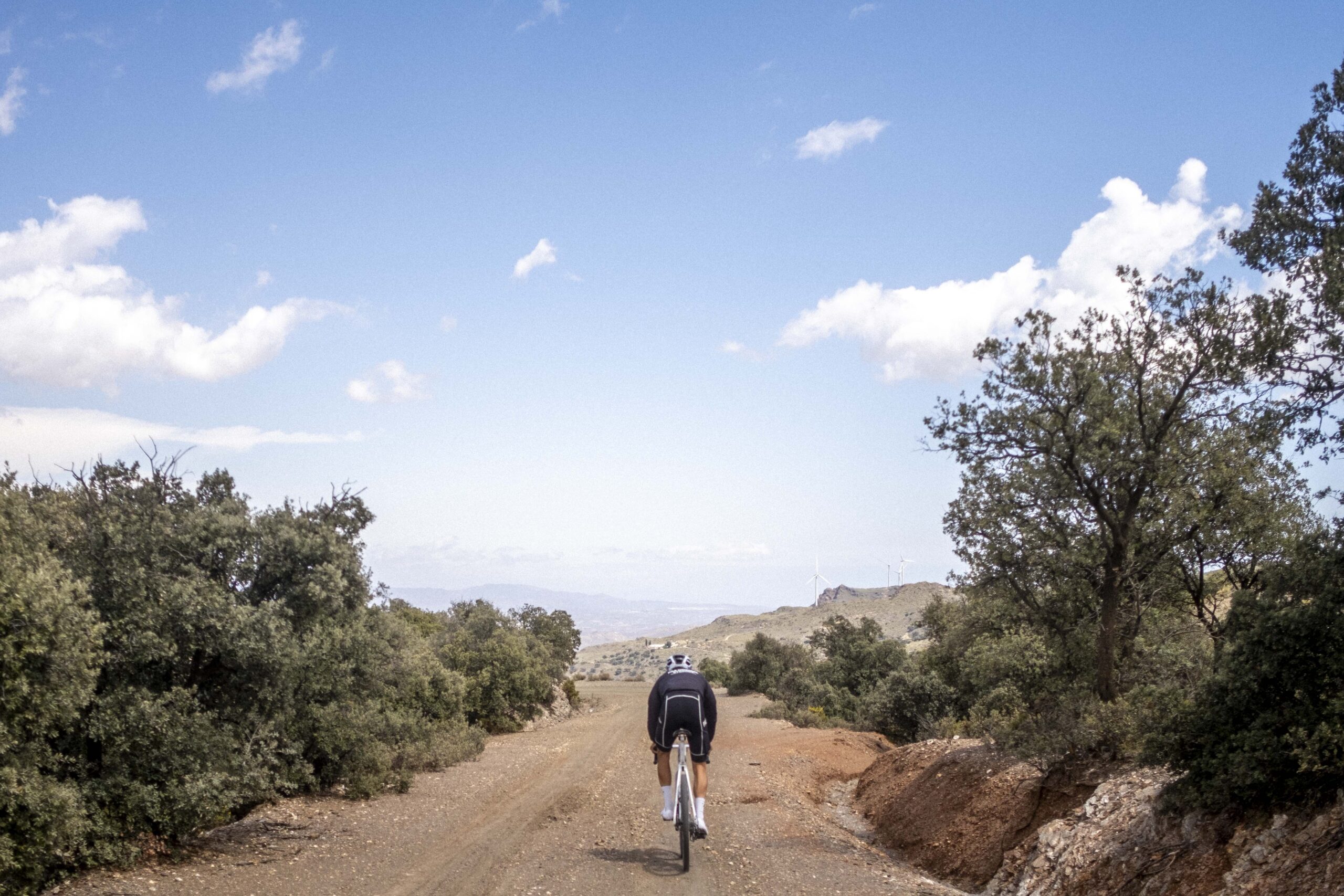
    Badlands landscape
    Gravel · Fueling GuideUpdated Jul 2026

    Badlands — Nutrition Basics

    Badlands — a 466 mi self-supported ultra-gravel race across Andalusia, from Granada through the Sierra Nevada and the Gorafe desert to the Almería coast, held late August each year.

    Build Your Personalized Race Fueling Plan — $19

    Nutrition basics for Badlands

    Three windows shape every endurance result: what you eat in the hours before the start, what you take in on the bike, and how you recover once you cross the line.

    Pre-race breakfast (and pre-departure meal each morning)

    1–3 g/kg carbohydrate 2–3 hours before rolling out, from rehearsed foods that sit well in heat: oatmeal + honey + banana, white bread with jam, rice pudding, sports drink. Avoid high-fibre and high-fat first thing when heart rate spikes on the first climb.

    During-race execution

    Alarm-based fueling every 20–30 minutes on the bike whether you feel like it or not — thirst and hunger cues are unreliable at hour 30+. Log every intake on your head unit or a wrist note to catch drift before it becomes deficit. Eat real hot meals at bars/ventas whenever the timing allows to protect gut function.

    Recovery (each sleep is a mini-recovery)

    Every off-bike stop over 30 minutes is a recovery window: 1.0 g/kg carbohydrate + 0.3 g/kg protein + 17 fl oz water with sodium before sleep. A cold shower or river dunk to drop core temperature significantly improves sleep quality in the desert.

    Race-day morning timeline

    T-72 h to T-24 h (3 days out to 1 day out)Carb load: 8–10 g/kg CHO per day from low-fibre familiar foods. Reduce alcohol to zero. 101–135 fl oz water per day with 3,000–5,000 mg sodium. Final bike check + full pack weigh. Kit briefing with any pair partner.
    T-24 h (day before)Attend the pre-race briefing at the start village. Confirm final route, mandatory waypoints, cutoff and any late course changes. Eat dinner early (18:00–19:00), rehearsed foods only. Kit laid out. Alarm test. Bed by 21:00.
    T-4 h (typical 04:30 wake for 08:30 start)First breakfast: oatmeal + banana + honey + coffee. Hydrate 17 fl oz with sodium. Chamois cream. Kit on.
    T-2 hSecond small feed (~50 g CHO): bread + jam + sports drink. Final bag check. Tracker on and verified. Layer up for start temperature.
    T-90 minBike check: tyre pressure, brakes, GPS route loaded, lights charged, bottles filled and mixed. Ride to the start village if not already there.
    T-30 minIn the start pen. First caffeine dose (100–200 mg). Restroom. Final layering call for Sierra crossing later in day 1.
    T-5 minHalf a gel. Confirm heart-rate cap for the first hour. Breathe. Wave off anyone who wants a photo — save the phone battery.
    T+0 (typically 08:30 start)Roll out. Do NOT chase groups. Ride the first hour at high zone 2 HR whether the group in front is going faster or not.

    Download the free printable race-day fueling checklist for Badlands

    A practical race-week checklist: carbs, hydration, sodium, caffeine and race-day supplies — print it or keep it on your phone.

    Frequently asked questions

    Generic fueling plans don't work for Badlands.

    Every athlete is different. FTP, finish time, body weight, sweat rate, weather, nutrition preferences and race goals all change what you should eat and drink.

    FuelQ Pro builds a personalized race fueling strategy tuned to your ride — carbohydrate, hydration, sodium, caffeine and recovery, mapped to the course.

    Start with the free checklist

    A Race Fueling Plan gives you a personalized strategy for this event. The free checklist helps you prepare the basics first: race-week setup, 48-hour prep, race morning, hydration, sodium, caffeine, aid stations, and backup calories.