Weather & conditions at The Traka
The Traka runs in late april – early may (traditionally a friday–sunday weekend format) in Girona, Catalonia, Spain (start/finish typically Sant Feliu de Guíxols or Girona city centre — confirm current year). Course conditions and weather variability directly change how much you need to drink, how much sodium you lose, and how well you can absorb carbohydrate on the bike.
Spring temperature swings
Girona in late April swings from 46–54 °F cool starts to 72–82 °F afternoons. Sweat rates climb sharply once the sun is up and riders who dressed for the start over-heat by mid-morning.
Dust and dry air
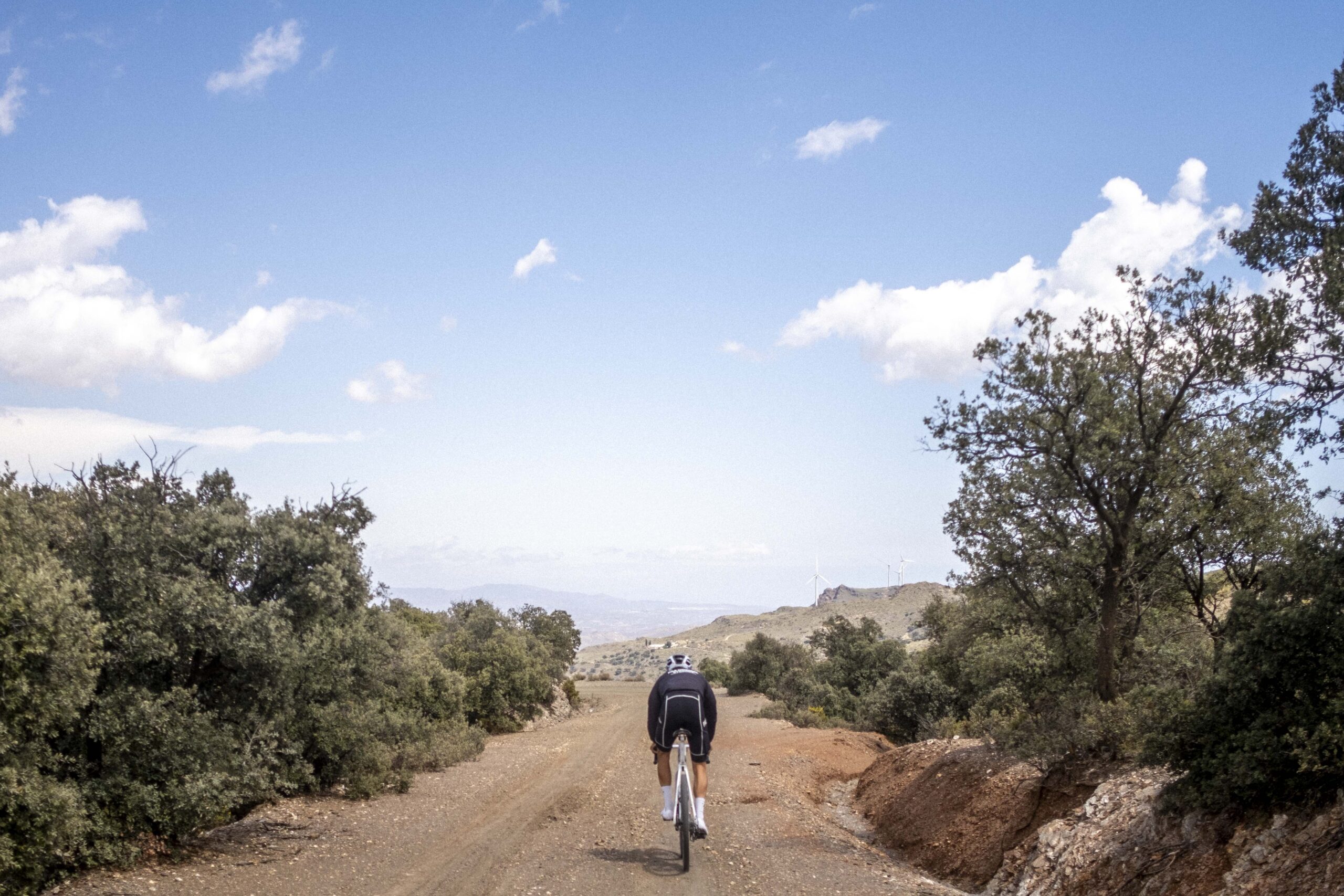
Catalan farm-road dust and low humidity accelerate respiratory water loss and can irritate the gut. On a windy year the dust behind lead groups turns the 124 mi start into a visibility problem for the first 25 mi.
Aid spacing on the long courses
Aid points on the 124 mi sit roughly 31–43 mi apart; the 224 mi stretches gaps up to 56 mi on the outer loops. Mid-pack riders must plan bottle capacity for 90+ minutes between stops in heat.
Why generic fueling plans don't work for The Traka
Two riders on the same start line can need very different fueling. FTP, target finish time, body mass, sweat rate, temperature, altitude adaptation, nutrition products and race goals all change the answer. A generic 60 g/hr recommendation is a starting point, not a plan.
- FTP
- Finish time
- Body weight
- Sweat rate
- Weather
- Products
- Goals
- Course
Download the free printable race-day fueling checklist for The Traka
A practical race-week checklist: carbs, hydration, sodium, caffeine and race-day supplies — print it or keep it on your phone.
Frequently asked questions
Generic fueling plans don't work for The Traka.
Every athlete is different. FTP, finish time, body weight, sweat rate, weather, nutrition preferences and race goals all change what you should eat and drink.
FuelQ Pro builds a personalized race fueling strategy tuned to your ride — carbohydrate, hydration, sodium, caffeine and recovery, mapped to the course.
Start with the free checklist
A Race Fueling Plan gives you a personalized strategy for this event. The free checklist helps you prepare the basics first: race-week setup, 48-hour prep, race morning, hydration, sodium, caffeine, aid stations, and backup calories.