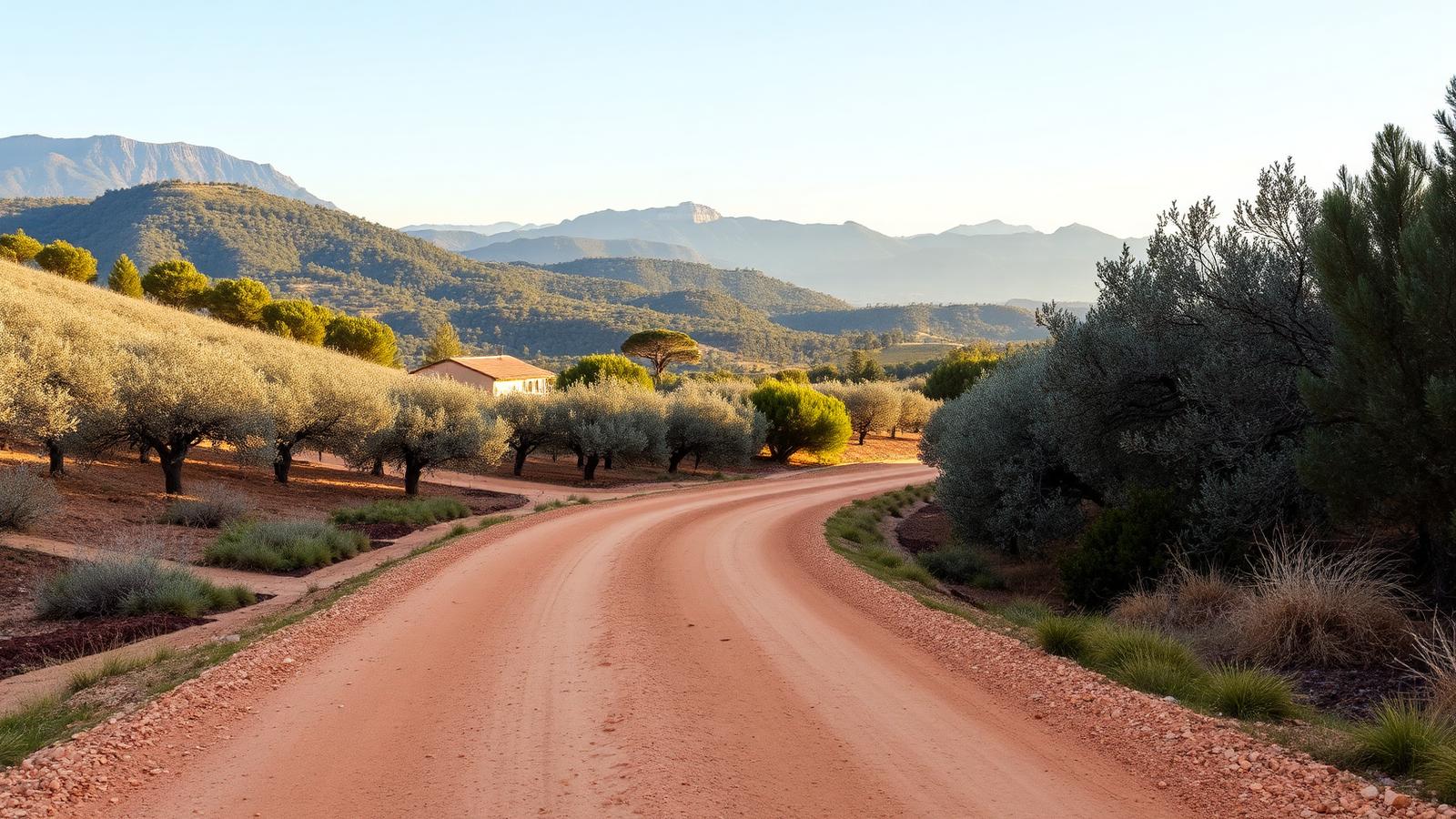
    The Traka landscape
    Gravel · Fueling GuideUpdated Sep 2026

    The Traka — Fueling Guide

    Girona's flagship gravel weekend — long days on Catalan farm roads, cork-oak forests and relentless rolling terrain.

    Build Your Personalized Race Fueling Plan — $19

    Fueling challenges & strategy

    General, evidence-based guidance. Numbers should always be personalized to sweat rate, body mass, fitness and weather.

    Carbohydrate strategy

    60–90 g/hr of mixed-source (glucose + fructose) carbohydrate for most riders; trained guts can push to 100–120 g/hr on the 124 mi and shorter. On the 224 mi and 348 mi, bias slightly lower (50–80 g/hr) with more real food to protect sustainability.

    Hydration

    17–34 fl oz/hr baseline, biased higher in the afternoon heat. Split intake between plain water and a carbohydrate-electrolyte mix. On the 124 mi expect to consume 203–338 fl oz total; on the 224 mi 406–609 fl oz.

    Sodium

    500–1,000 mg/L of fluid, tuned to sweat sodium concentration and the day's temperature. Salty sweaters and warm afternoons push the top of that range. Cumulative sodium deficit is the classic Traka cause of late-race cramping.

    Caffeine

    3–6 mg/kg body mass split across the race, with a meaningful dose held for the second half. A single espresso pre-start wears off by hour three; a 100 mg re-dose at the mid-race aid protects late-race decision quality.

    Aid station strategy

    Every aid is a bottle swap first, calorie top-up second. On the 224 mi riders can drop personal supplies at the mandatory drop-bag point — pre-package one bag of gels + one solid item per anticipated segment.

    Pre-race breakfast

    1–4 g/kg carbohydrate 2–4 hours pre-start, from familiar low-fibre, low-fat foods. Girona hotels typically start breakfast at 6:00–6:30 AM — confirm and pre-order a portable option (bread + jam + banana + coffee) if your start is earlier.

    During-race execution

    Fuel by the clock, not by feel. Rolling terrain distorts effort perception; a 15- or 20-minute alarm on the head unit keeps intake consistent through the constant surges. Log intake every hour to catch drift before it becomes deficit.

    Recovery

    1.0–1.2 g/kg carbohydrate plus 0.3 g/kg protein within 60 minutes, and 150 % fluid replacement. Sant Feliu and Girona both offer strong post-race meal options — real food beats another gel.

    Fueling timeline by phase

    Grams and millilitres per hour for each phase of the race. Personalize to your sweat rate, body mass and conditions.

    The Traka 124 mi · phased for a mid-pack finisher (9–11 hr goal)

    Pre-race breakfast (T-3 h to T-30 min)

    Sant Feliu / Girona start·3 h before roll-out

    Carbs
    1–3 g/kg body mass (rehearsed foods only)
    Fluids
    17–27 fl oz with 500–800 mg sodium
    Sodium
    500–800 mg

    Caffeine: 100–200 mg 20–30 min pre-start

    Focus: Familiar breakfast: bread + jam + banana + coffee, or oatmeal + honey. Empty the bladder twice before rolling. Layer for a cool 46–54 °F start you can peel off after 60 min.

    Phase 1 — Neutral rollout & first climbs (km 0–50)

    0–31 mi·0:00 – 1:45

    Carbs
    70–90 g/hr (peak gut tolerance)
    Fluids
    17–24 fl oz/hr (cool early)
    Sodium
    500–700 mg/L

    Focus: Do not chase the front group. Sit at high zone-2 heart rate. Fuel early — dust and rolling terrain will kill your appetite by hour three if you have not banked calories.

    Phase 2 — First long farm-road block (km 50–110)

    31–68 mi·1:45 – 4:15

    Carbs
    80–100 g/hr
    Fluids
    24–30 fl oz/hr (rising heat)
    Sodium
    700–900 mg/L

    Caffeine: 100 mg mid-block

    Focus: The signature Traka rolling gravel. Alarm-based fueling every 20 min. Hit the mid-race aid with empty bottles and a plan: two full bottles, one solid item, restart within 4 minutes.

    Phase 3 — Afternoon heat & the crux climbs (km 110–160)

    68–99 mi·4:15 – 7:00

    Carbs
    70–90 g/hr
    Fluids
    27–34 fl oz/hr (peak heat)
    Sodium
    800–1,000 mg/L

    Focus: Heat peaks 13:00–15:00. Bias toward liquid calories and drink mix — solid food tolerance drops in the sun. Keep salt caps in reach for cramp warning signs.

    Phase 4 — Final push to Sant Feliu (km 160–200)

    99–124 mi·7:00 – 9:30

    Carbs
    70–90 g/hr (protect the finish)
    Fluids
    24–30 fl oz/hr
    Sodium
    700–900 mg/L

    Caffeine: 100–150 mg for the last 90 min

    Focus: The coastal descent looks like the finish is close. It is not — the final 9 mi include a stinging climb and rolling gravel. Take the last full aid stop; do not skip it because you 'feel fine'.

    Recovery (T+0 to T+24 h)

    Finish line·First 24 h after crossing the line

    Carbs
    1.0–1.2 g/kg within 60 min, then 8–10 g/kg over 24 h
    Fluids
    150 % of estimated body-mass loss with sodium
    Sodium
    3,000–5,000 mg cumulative day 1 post-race

    Focus: Real Catalan food beats another gel — patatas bravas, pan con tomate, paella, cold Estrella. Ferritin, vitamin D and iron check 7–10 days after the race, not immediately.

    Numbers assume the 124 mi distance for a 9–11 hour amateur finisher in typical late-April Girona conditions (46–54 °F start, 72–82 °F afternoon peak). Faster riders compress phases; the 224 mi distance extends phase 3 across a much longer heat window and adds a second night-loop segment for slower finishers. Individual sweat rate can shift fluid and sodium targets by ±30 % — personalize with a pre-race sweat test in similar conditions.

    Aid stations & crew strategy

    Every aid station along the The Traka course, with crew access, drop-bag rules and the fueling action to execute at each stop.

    • Aid 1 (early)

      Mile ≈ 55–65 km

      Quick bottle swap and one gel. Do not linger — the front group will roll through in under 90 seconds. Restart with the group you rode in with.

    • Aid 2 (mid-race, main resupply)

      Mile ≈ 105–120 kmDrop bag

      The most important stop of the day for the 124 mi. Two full bottles, extra gels/chews for the afternoon climbs, sunscreen top-up, second caffeine dose staged. On the 224 mi this is also the mandatory drop-bag point — grab your bag and reset.

    • Aid 3 (afternoon)

      Mile ≈ 160 km

      Refill everything, eat one solid item (banana, half sandwich). Confirm cutoff margin. Shed any morning layers you have not already dropped.

    • Aid 4 (final, 360 km + 560 km only)

      Mile ≈ 250+ km (long courses)

      Take a final caffeine dose, top off water, force one solid item even if appetite is dead. The finish is closer than it feels on the profile.

    What most riders get wrong

    • 01

      Chasing the front group off the start

      The neutral zone is neutral in name only. Pro and elite amateur riders leave Sant Feliu at 40 kph on gravel. Sitting in the top 100 costs 30–40 W over your target power and burns the match you need for hour eight.

    • 02

      Under-drinking in the cool morning

      The 7 AM start feels mild; by 11 AM sweat losses have doubled and thirst is already lagging deficit. Force 17 fl oz in the first hour even if you don't feel thirsty.

    • 03

      Overeating solid food early

      Big bars feel comforting in hour one and punishing in hour six. Bias toward liquid and gel for the first four hours; introduce solids only after the first aid stop.

    • 04

      Copying road-race intake

      Rolling Catalan gravel resistance is measurably higher than tarmac. Calorie demand for a given time-on-course is 10–15 % higher than an equivalent road race. Fuel to time-on-course, not to distance.

    • 05

      Skipping caffeine timing

      A single early espresso wears off by hour three. Split dosing (pre-start + mid-race + final 90 min) protects late-race decision quality and pacing on the crux climbs.

    • 06

      New products on race day

      Dust, heat and 10+ hours on course amplify GI risk. Race only what you have trained on rides of 4+ hours in similar heat. Bring your own gels rather than trusting aid-station brand availability.

    • 07

      Under-carrying between aids

      Aid spacing is unforgiving on the 224 mi. Riders bonk because bottles run dry, not because they cannot drink. Refuse to leave any aid without every bottle and flask topped up, even if the next 'should' be close.

    • 08

      Ignoring dust and eye protection

      In a dry year, the first 25 mi of the 124 mi start looks like a dust storm. Clear or photochromic glasses + a buff is not optional. Grit in the eyes at hour two is a race-week regret.

    • 09

      Under-planning the drop bag

      The 224 mi drop bag is the difference between a rescue and a finish. Pack it with familiar gels, one caffeine dose, one solid item, spare salt caps, and a light shell. Skip the impulse to over-pack it — you will not use half of what you bring.

    Download the free printable race-day fueling checklist for The Traka

    A practical race-week checklist: carbs, hydration, sodium, caffeine and race-day supplies — print it or keep it on your phone.

    Related FuelQ resources

    Free calculators, checklists and articles to help you personalize your The Traka plan.

    Related content

    Frequently asked questions

    Generic fueling plans don't work for The Traka.

    Every athlete is different. FTP, finish time, body weight, sweat rate, weather, nutrition preferences and race goals all change what you should eat and drink.

    FuelQ Pro builds a personalized race fueling strategy tuned to your ride — carbohydrate, hydration, sodium, caffeine and recovery, mapped to the course.

    Start with the free checklist

    A Race Fueling Plan gives you a personalized strategy for this event. The free checklist helps you prepare the basics first: race-week setup, 48-hour prep, race morning, hydration, sodium, caffeine, aid stations, and backup calories.