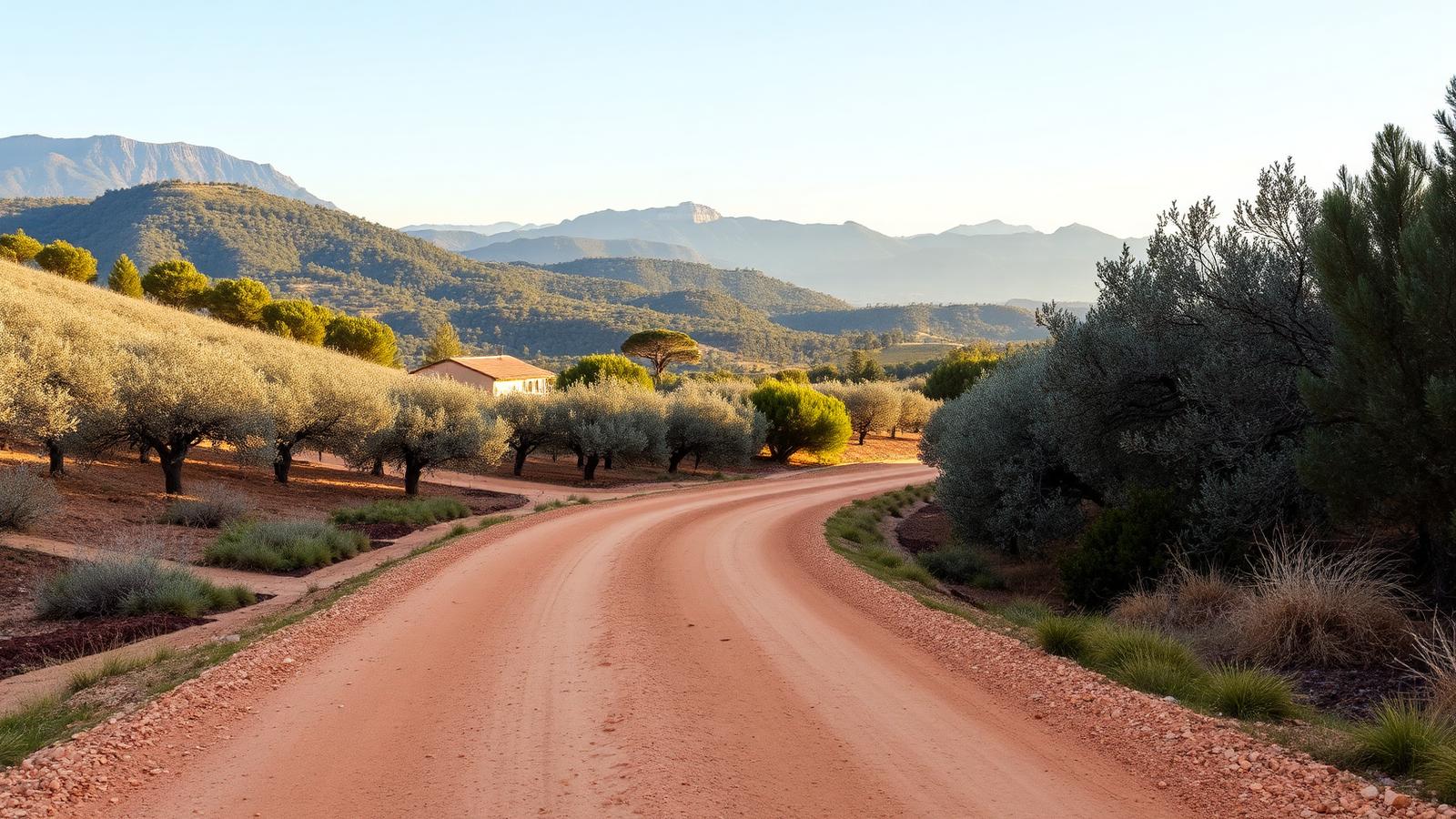
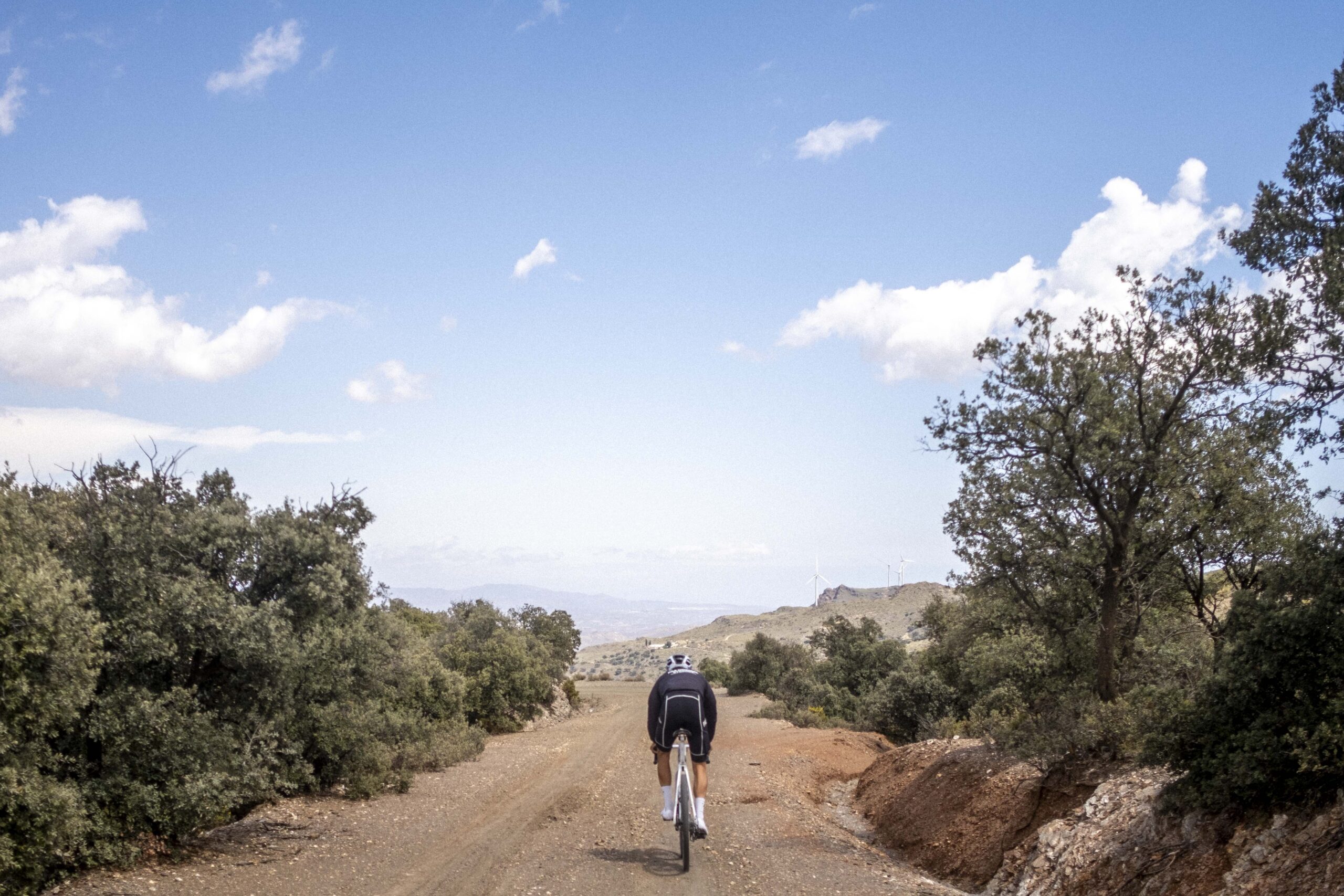
The Traka is a Girona-based gravel race weekend organized by Klassmark and widely regarded as one of the most competitive gravel events in Europe. Held every spring across multiple distances (typically 100, 200 and 224 mi, with a 348 mi ultra added in recent years), the routes weave through Catalan farm roads, cork-oak forests, exposed ridgelines and paved connectors around the Empordà and Baix Empordà regions. Rolling terrain, spring temperature swings and long time-on-course make fueling discipline the difference between a strong finish and a slow crawl to the line.
Distance
≈ 100 / 200 / 224 mi depending on category (with a 348 mi ultra in recent editions)
Elevation
≈ 1,500 / 3,000 / 18,040 ft of climbing across the flagship distances
Typical duration
4 – 20+ hours depending on distance and category
Location
Girona, Catalonia, Spain (start/finish typically Sant Feliu de Guíxols or Girona city centre — confirm current year)
Time of year
Late April – early May (traditionally a Friday–Sunday weekend format)
The RideWithGPS route above is the reference for The Traka 200 km course profile and inline elevation. Klassmark publishes the definitive current-year GPX and Athletes' Manual on traka.cc 4–6 weeks pre-race, and the exact 200 km route can change year to year — confirm the current-year GPX against the official manual before race day.
Download the free printable race-day fueling checklist for The Traka
A practical race-week checklist: carbs, hydration, sodium, caffeine and race-day supplies — print it or keep it on your phone.
The 124 mi and 224 mi distances demand cumulative fueling discipline. Small errors early become large deficits by hour eight. Most amateurs on the 224 mi spend more time on the bike than they have ever raced before.
Spring temperature swings
Girona in late April swings from 46–54 °F cool starts to 72–82 °F afternoons. Sweat rates climb sharply once the sun is up and riders who dressed for the start over-heat by mid-morning.
Rolling terrain
Constant short climbs and descents fragment steady tempo and blunt appetite exactly when carbohydrate demand is highest. There is no long, sustained flat section on which to eat and drink calmly.
Dust and dry air
Catalan farm-road dust and low humidity accelerate respiratory water loss and can irritate the gut. On a windy year the dust behind lead groups turns the 124 mi start into a visibility problem for the first 25 mi.
Aid spacing on the long courses
Aid points on the 124 mi sit roughly 31–43 mi apart; the 224 mi stretches gaps up to 56 mi on the outer loops. Mid-pack riders must plan bottle capacity for 90+ minutes between stops in heat.
Competitive amateur field
The Traka draws pro and elite amateur riders from across Europe and North America. Front groups leave Sant Feliu at road-race pace and the temptation to over-cook the opening 60 minutes is a race-ending mistake for most amateurs.
Course profile — segment by segment
A tactical breakdown of the The Traka course. Use this to plan pacing, fueling touchpoints and where to conserve versus commit.
Segment
Mile
Elevation
Note
Rollout & first Empordà farm block
0 – 30 km
≈ 980 ft gain
Neutral zone through Sant Feliu or Girona city centre. Sit patiently — the pace is 40 kph and rising. Do not touch a bar until km 25.Surface: Neutral pavement then hard-packed farm gravel
Cork-oak forest climb block
30 – 60 km
≈ 1,970 ft gain
Shaded, cooler, and technically slightly harder. Groups fragment here. Fuel proactively — the next 25 mi are rolling and hot.Surface: Forest doubletrack and singletrack sections
Empordà rolling farm gravel
60 – 110 km
≈ 2,300 ft gain across constant rollers
The signature Traka block. No place to hide from the wind. Alarm-based fueling every 20 min or you will not eat enough.Surface: Wide farm gravel and paved connectors
Mid-race aid & drop-bag zone
≈ 110 km (200 km flagship)
Flat aid station
Two full bottles, one solid item, one caffeine dose, restart within 4 minutes. Do not sit down. Do not linger.Surface: Village or town square
Baix Empordà crux climbs
110 – 160 km
≈ 2,950 ft gain (peak of the day)
The hottest part of the day meets the hardest climbs. Bias to liquid calories, watch for early cramp signs, keep salt caps accessible.Surface: Mixed gravel and paved climbs
Coastal doubletrack & descents
160 – 185 km
Net loss
The finish 'feels' close. It is not. Take the last aid stop even if you feel strong — under-drinking here is the classic Traka collapse.Surface: Coastal gravel and paved sections
Final rollers to Sant Feliu
185 – 200 km
≈ 980 ft gain with a stinging late climb
A deceptive false-flat and one short punchy climb before the finish. Ride to HR or power, not to feel. Finish photography at Sant Feliu.Surface: Mixed gravel and pavement
Aid stations & crew strategy
Every aid station along the The Traka course, with crew access, drop-bag rules and the fueling action to execute at each stop.
Aid 1 (early)
Mile ≈ 55–65 km
Quick bottle swap and one gel. Do not linger — the front group will roll through in under 90 seconds. Restart with the group you rode in with.
Aid 2 (mid-race, main resupply)
Mile ≈ 105–120 kmDrop bag
The most important stop of the day for the 124 mi. Two full bottles, extra gels/chews for the afternoon climbs, sunscreen top-up, second caffeine dose staged. On the 224 mi this is also the mandatory drop-bag point — grab your bag and reset.
Aid 3 (afternoon)
Mile ≈ 160 km
Refill everything, eat one solid item (banana, half sandwich). Confirm cutoff margin. Shed any morning layers you have not already dropped.
Aid 4 (final, 360 km + 560 km only)
Mile ≈ 250+ km (long courses)
Take a final caffeine dose, top off water, force one solid item even if appetite is dead. The finish is closer than it feels on the profile.
Fueling challenges & strategy
General, evidence-based guidance. Numbers should always be personalized to sweat rate, body mass, fitness and weather.
Carbohydrate strategy
60–90 g/hr of mixed-source (glucose + fructose) carbohydrate for most riders; trained guts can push to 100–120 g/hr on the 124 mi and shorter. On the 224 mi and 348 mi, bias slightly lower (50–80 g/hr) with more real food to protect sustainability.
Hydration
17–34 fl oz/hr baseline, biased higher in the afternoon heat. Split intake between plain water and a carbohydrate-electrolyte mix. On the 124 mi expect to consume 203–338 fl oz total; on the 224 mi 406–609 fl oz.
Sodium
500–1,000 mg/L of fluid, tuned to sweat sodium concentration and the day's temperature. Salty sweaters and warm afternoons push the top of that range. Cumulative sodium deficit is the classic Traka cause of late-race cramping.
Caffeine
3–6 mg/kg body mass split across the race, with a meaningful dose held for the second half. A single espresso pre-start wears off by hour three; a 100 mg re-dose at the mid-race aid protects late-race decision quality.
Aid station strategy
Every aid is a bottle swap first, calorie top-up second. On the 224 mi riders can drop personal supplies at the mandatory drop-bag point — pre-package one bag of gels + one solid item per anticipated segment.
Pre-race breakfast
1–4 g/kg carbohydrate 2–4 hours pre-start, from familiar low-fibre, low-fat foods. Girona hotels typically start breakfast at 6:00–6:30 AM — confirm and pre-order a portable option (bread + jam + banana + coffee) if your start is earlier.
During-race execution
Fuel by the clock, not by feel. Rolling terrain distorts effort perception; a 15- or 20-minute alarm on the head unit keeps intake consistent through the constant surges. Log intake every hour to catch drift before it becomes deficit.
Recovery
1.0–1.2 g/kg carbohydrate plus 0.3 g/kg protein within 60 minutes, and 150 % fluid replacement. Sant Feliu and Girona both offer strong post-race meal options — real food beats another gel.
Fueling timeline by phase
Grams and millilitres per hour for each phase of the race. Personalize to your sweat rate, body mass and conditions.
The Traka 124 mi · phased for a mid-pack finisher (9–11 hr goal)
Pre-race breakfast (T-3 h to T-30 min)
Sant Feliu / Girona start·3 h before roll-out
Carbs
1–3 g/kg body mass (rehearsed foods only)
Fluids
17–27 fl oz with 500–800 mg sodium
Sodium
500–800 mg
Caffeine: 100–200 mg 20–30 min pre-start
Focus: Familiar breakfast: bread + jam + banana + coffee, or oatmeal + honey. Empty the bladder twice before rolling. Layer for a cool 46–54 °F start you can peel off after 60 min.
Phase 1 — Neutral rollout & first climbs (km 0–50)
0–31 mi·0:00 – 1:45
Carbs
70–90 g/hr (peak gut tolerance)
Fluids
17–24 fl oz/hr (cool early)
Sodium
500–700 mg/L
Focus: Do not chase the front group. Sit at high zone-2 heart rate. Fuel early — dust and rolling terrain will kill your appetite by hour three if you have not banked calories.
Phase 2 — First long farm-road block (km 50–110)
31–68 mi·1:45 – 4:15
Carbs
80–100 g/hr
Fluids
24–30 fl oz/hr (rising heat)
Sodium
700–900 mg/L
Caffeine: 100 mg mid-block
Focus: The signature Traka rolling gravel. Alarm-based fueling every 20 min. Hit the mid-race aid with empty bottles and a plan: two full bottles, one solid item, restart within 4 minutes.
Focus: Heat peaks 13:00–15:00. Bias toward liquid calories and drink mix — solid food tolerance drops in the sun. Keep salt caps in reach for cramp warning signs.
Phase 4 — Final push to Sant Feliu (km 160–200)
99–124 mi·7:00 – 9:30
Carbs
70–90 g/hr (protect the finish)
Fluids
24–30 fl oz/hr
Sodium
700–900 mg/L
Caffeine: 100–150 mg for the last 90 min
Focus: The coastal descent looks like the finish is close. It is not — the final 9 mi include a stinging climb and rolling gravel. Take the last full aid stop; do not skip it because you 'feel fine'.
Recovery (T+0 to T+24 h)
Finish line·First 24 h after crossing the line
Carbs
1.0–1.2 g/kg within 60 min, then 8–10 g/kg over 24 h
Fluids
150 % of estimated body-mass loss with sodium
Sodium
3,000–5,000 mg cumulative day 1 post-race
Focus: Real Catalan food beats another gel — patatas bravas, pan con tomate, paella, cold Estrella. Ferritin, vitamin D and iron check 7–10 days after the race, not immediately.
Numbers assume the 124 mi distance for a 9–11 hour amateur finisher in typical late-April Girona conditions (46–54 °F start, 72–82 °F afternoon peak). Faster riders compress phases; the 224 mi distance extends phase 3 across a much longer heat window and adds a second night-loop segment for slower finishers. Individual sweat rate can shift fluid and sodium targets by ±30 % — personalize with a pre-race sweat test in similar conditions.
Carbohydrate loading for The Traka
A structured 48–72 hour carbohydrate-loading protocol tuned for a long day at altitude. Rehearse it before a training block, not for the first time on race week.
48–72 hours out
Target 8–10 g/kg body mass per day of carbohydrate from familiar low-fibre sources: rice, pasta, potato, bread, sports drinks, honey. A 154 lb rider aims for 560–700 g CHO/day. Reduce fibre and fat to protect the gut on race morning.
Protein & fat
Keep protein moderate (1.2–1.6 g/kg/day). Reduce fat to ~0.5–0.8 g/kg/day. This is not the week for heavy Catalan meat plates, cured meats or oily fish — save those for the post-race recovery meal.
Hydration & sodium
Drink to pale-yellow urine, add 500–1,000 mg sodium per litre of fluid on the two days before the race. Plasma volume expansion supports thermoregulation in Girona's afternoon heat.
Race morning
1–4 g/kg CHO 2–4 hours before the gun, from foods rehearsed in training. Oatmeal + honey + banana, bread + jam + coffee, or a rice bowl are proven. Avoid anything new, greasy or high-fibre.
Common carb-load mistakes
Doubling normal calories (you should mostly displace fat, not add on top), eating unfamiliar Catalan foods for the first time, over-drinking without sodium, or skipping carb load entirely because 'you feel heavy'. Rehearse the protocol on a long-ride weekend beforehand.
Sub-9 & sub-12 split targets
Aid-station splits for the two headline finish goals at The Traka: the Big Buckle (sub-9) and the Silver Buckle (sub-12). Use as planning anchors, not as commitments — weather, altitude adaptation and pack dynamics all shift real splits.
Checkpoint
Sub-9 (Big Buckle)
Sub-12 (Silver Buckle)
Aid 1 ≈ km 60
1h 45min – 2h 05min
2h 20min – 2h 45min
Aid 2 (mid-race) ≈ km 110
3h 20min – 3h 50min
4h 30min – 5h 15min
Aid 3 ≈ km 160
5h 15min – 5h 50min
7h 00min – 8h 00min
Final push start ≈ km 185
6h 15min – 6h 50min
8h 15min – 9h 20min
Finish (124 mi)
≤ 9h 00min (competitive amateur)
≤ 12h 00min (finisher target)
Pacing strategy
First 60 minutes
Ride 10–15 % below the effort you feel capable of. Cap at ~80 % of your target FTP or high zone-2 heart rate. The neutral rollout hides how hard everyone is going. Chasing the front group here is the #1 pacing mistake at The Traka.
Cork-oak forest climbs (km 30–60)
Steady tempo, 82–88 % FTP or top of zone 2. If a group surges past you, let them go — the rollers ahead will bring you back together and you will pass them again in the afternoon.
Rolling farm gravel (km 60–110)
This is where the race is won or lost on pacing. Target average power, not peak power. Every 10 s surge over threshold costs you 90 s of feeling later. Sit in wheels, take pulls when it makes sense, and hold your line.
Mid-race aid discipline
Two full bottles, one solid item, restart within 4 minutes. Do not sit down. Do not linger. The 30 seconds saved here beats 30 W over the next hour.
Crux climbs (km 110–160)
Small gears, low cadence if needed, keep sipping. Walking short 15 %+ pitches can be faster and cheaper than grinding at 40 rpm — but only if you have practised it. Do not test walking for the first time on race day.
Final push to Sant Feliu
Pace by HR or power to the finish — the false-flat looks flatter than it is. Save 10 seconds per km in the head and you save minutes on the clock. Take the last aid stop even if you feel strong.
Equipment & bike setup
Bike choice
A modern drop-bar gravel bike with wide tyre clearance (42–50 mm) is the mainstream Traka platform. Aero gravel bikes (Cervélo Áspero, Specialized Crux, 3T Exploro) are popular in the front groups; more compliant frames (Salsa Warbird, Kona Rove) work well for the 224 mi. Rigid front is standard — a suspension fork adds weight for marginal comfort gain on mostly smooth Catalan gravel.
Tyre width & casing
40–45 mm tubeless with a fast-rolling file or moderate tread (Vittoria TerraSpeed, Panaracer GravelKing SK, René Herse Standard, Continental Terra Speed). Reinforced casing protects against occasional shale sections. Aggressive knobs are the wrong choice — most terrain is smooth-to-moderate farm gravel.
Tyre pressure
As a starting point for a 154–176 lb rider on 24–25 mm internal rims: 26–30 psi front, 28–32 psi rear. Slightly higher than technical gravel elsewhere because most Traka terrain rewards low rolling resistance. Dial pressure in warm conditions — hot rims add 2–4 psi over the day.
Gearing
1× or 2× both work. For 1×, a 40–42t front chainring paired with an 11-speed 11–46t or 12-speed 10–52t cassette gives a bail-out for the crux climbs. For 2×, a 46/30 or 48/32 subcompact with an 11–34t cassette gives finer step-outs on rolling terrain.
Brakes
Hydraulic disc brakes with 160 mm rotors front and rear. Fit fresh pads race week and bed them in on a training ride before the race. Descending in dust and heat wears pads faster than expected — carry one spare pair in the repair kit.
Hydration setup
Two large bottle cages in the main triangle plus a top-tube bag for gels and salt caps is the standard setup. On the 224 mi add a small frame bag with 2× soft flasks for the longest aid gaps. Hydration packs are uncommon at The Traka — the terrain is smooth enough that bottles are practical.
Bags & storage
Top-tube bag for gels and salt caps, small saddlebag for the repair kit and a rain shell, optional frame bag on the 224 mi. Do not use a rucksack — heat trapped against your back on 77 °F climbs is a race-ender.
Spares & repair kit
Minimum: 2× tubes, 2× tyre plug kits, 2× CO2 + inflator, mini pump as backup, chain quick link, multi-tool with chain breaker, spare derailleur hanger, small tube of chain lube, 1 set spare brake pads, zip ties + electrical tape. Carry a small first-aid kit and salt caps in a jersey pocket for quick access.
Training for The Traka
Building your Traka training plan
A realistic Traka 200 training plan runs 16–20 weeks and builds three things in parallel: aerobic volume, threshold power, and heat tolerance. The 224 mi plan extends to 20–28 weeks with more back-to-back long-ride volume and gut training. Most amateurs who finish arrive at race week with a 12–16 hour peak, a longest ride of 6–8 hours with 2,500+ m of climbing, and at least 8–12 heat-acclimatization sessions in the final 6 weeks.
Volume ramp
Build to 12–16 hours per week for 8–12 weeks before race week (Traka 200) or 15–20 hours (Traka 360), with the final long back-to-back block 3 weeks out and a proper 2-week taper. Volume matters more than intensity for The Traka.
Long back-to-back rides
Every 2–3 weeks in the final 12 weeks: a Saturday 93–124 mi ride at Traka pace, sleep well, then a Sunday 62–93 mi ride at endurance pace. This teaches the body to fuel and recover between big efforts and identifies gut, kit and setup problems while there is still time to fix them.
Threshold & tempo
Include weekly threshold intervals (2× 20 min or 4× 10 min at 90–100 % FTP) and one tempo block (3× 20 min at 80–85 % FTP) for 6–8 weeks. Rolling gravel demands the ability to hold power through short surges without over-cooking.
Heat acclimatization
8–12 heat sessions (sauna 20–30 min post-easy-ride, or indoor trainer in a warm room 45–60 min at moderate effort) in the 4–6 weeks pre-race. This expands plasma volume ~5–10 %, lowers core temperature at a given power, and improves sweat-sodium efficiency.
Gut training
Every long training ride is a fueling rehearsal. Progress from 40 g/hr in early build to 60–90 g/hr sustained on rides over 4 hours. On the longest training rides (150+ km), practice the full Traka fueling loop: alarm-based intake, aid-stop discipline, and real drink-mix concentrations.
Rolling-terrain intervals
Prescribe at least one session per week of rolling terrain: 6–10× 3–5 min climbs at threshold with rolling recoveries. This is Traka pacing in miniature — the ability to surge, recover, and surge again without blowing the day.
Iron, ferritin & pre-race blood work
Test ferritin 10–12 weeks out — below ~40 ng/mL for women or ~50 for men blunts aerobic performance and heat adaptation. Low iron is the most common under-diagnosed cause of underperformance in endurance riders. Correct with diet and (if a doctor confirms) supplementation in the 8–12 weeks before the race.
Race-day morning timeline
T-4 h (≈ 3:00 AM for a 7:00 AM start)
Wake, coffee, first breakfast (1–2 g/kg CHO): oatmeal + honey + banana, or bread + jam + coffee. Hydrate 17 fl oz with sodium.
T-2 h (≈ 5:00 AM)
Second small feed (~50 g CHO) — bagel, jam, sports drink. Chamois cream, sunscreen, kit on.
T-90 min
Bike check — tyre pressure, brakes, computer, bottles filled and iced. Layer up for a 46–54 °F start you can peel off after 60 min.
T-45 min
Ride to corral or short spin. Sip 7–10 fl oz of sports drink. Restroom.
T-20 min
In corral. First caffeine dose (100–200 mg gel or gum). Final layering call — arm warmers only if it is genuinely cold.
T-5 min
Half a gel. Breathe. Confirm HR/power start plan with yourself. Set the head unit alarm for 20-minute fueling reminders.
T+0
Gun. Neutral rollout — ride patiently through Sant Feliu / Girona. Do not touch a gel until km 25.
Packing list
Bike
Race bike (fully serviced 2 weeks out)
Backup wheelset if possible
Two large bottle cages
Computer + fresh mount
Head unit charged night before
Nutrition
Gels / chews / drink mix for the full distance + 30 % buffer
Two caffeine doses staged
Two solid items (bar, waffle, rice ball) for the mid-race aid or drop bag
Salt caps or high-sodium electrolyte tabs
Pre-race breakfast supplies
Post-race recovery drink + real meal reservation
Hydration
Two large bottles for the start
Extra bottles for the mid-race aid drop
Drink mix rehearsed in training
Sodium supplement if using plain water
Clothing
Short-sleeve jersey + bibs
Arm warmers or arm sleeves for cool start
Vest or packable rain shell for a wet year
Fingerless gloves + one full-finger pair if forecast is cool
Cap or buff under helmet for sun
Warm layer for finish
Weather gear
Sunscreen SPF 50+
Lip balm with SPF
Sunglasses (clear or photochromic for dust and shaded forest sections)
Tools & spares
2× tubes
2× tyre plug kits
2× CO2 + inflator
Mini pump
Multi-tool with chain breaker
Chain quick link
Spare derailleur hanger
Spare brake pads (1 set)
Documents & logistics
Athletes' Manual printout
Race number + timing chip
Photo ID
Passport if travelling from outside the Schengen area
Hotel + rental car details for post-race logistics
Registration & lottery
Every entry route into the The Traka, from the annual lottery to qualifier races, coaching-program slots and charity entries.
Klassmark platform
Registration for The Traka opens on traka.cc / klassmark.com typically in November–December for the following April edition. There is no lottery — first-come, first-served — but the 124 mi and 224 mi sell out fast (often within days). Set a calendar reminder and be at your keyboard when registration opens.
Categories
The Traka runs multiple categories per distance: Open (mass field), Elite (UCI-qualifying for eligible riders), and age-group ranking applied post-hoc from finisher timing. Klassmark can change category structure year to year — confirm the current-year category list on traka.cc.
Entry fee
Recent editions have run approximately 120–250 EUR depending on distance and how early you register. The 62 mi sits at the lower end, the 348 mi at the higher end. Entry includes GPX release, aid stations, timing, finish-line services and a rider goodie bag.
Deferral & transfer
Deferral and transfer policies are set year-by-year by Klassmark. Historically a limited transfer window has been available up to 4–6 weeks pre-race. Late-request deferrals for medical reasons require documentation. Confirm the current-year policy in the registration terms.
Getting there, lodging & logistics
Airports, lodging, packet pickup, parking and crew access for the The Traka.
Getting there
Barcelona (BCN) is the main international airport, 90 min by car or direct train to Girona. Girona-Costa Brava (GRO) is closer (30–45 min) but has fewer international connections — mostly Ryanair and Vueling from European hubs. Both work; BCN typically offers cheaper bike-travel fees and more flight options.
Lodging in Girona
Girona Old Town (Barri Vell) is the classic base — walkable, packed with bike-friendly cafés, and 30–40 min drive to the Sant Feliu start. Book 6–12 months ahead for race weekend. Popular options: Hotel Peninsular, Hotel Nord 1901, Airbnbs in the Barri Vell.
Lodging near the start
Sant Feliu de Guíxols has hotels and Airbnbs within walking distance of the traditional start line — ideal for the earliest categories. Costa Brava beach towns (Palamós, Platja d'Aro) offer post-race recovery within 15–30 min of the finish.
Packet pickup & pre-race briefing
Held Friday of race week at the Klassmark race hub — typically Girona or Sant Feliu depending on the year. Mandatory pre-race briefing for elite categories. Confirm exact pickup location and hours in the current-year Athletes' Manual.
Parking & start line
Traditional Sant Feliu start has limited parking near the beachfront — arrive 60–90 min before your category start. Riders staying in Girona can drive or use organized shuttles that Klassmark sometimes coordinates. Confirm current-year logistics in the manual.
Finish line & post-race
The finish is typically at the same location as the start (Sant Feliu waterfront) with finish-line food, mechanic support and post-race meal. Recovery is easy — beaches within 5 min, cafés and paella restaurants within 15 min. Real food beats another gel.
What most riders get wrong
01
Chasing the front group off the start
The neutral zone is neutral in name only. Pro and elite amateur riders leave Sant Feliu at 40 kph on gravel. Sitting in the top 100 costs 30–40 W over your target power and burns the match you need for hour eight.
02
Under-drinking in the cool morning
The 7 AM start feels mild; by 11 AM sweat losses have doubled and thirst is already lagging deficit. Force 17 fl oz in the first hour even if you don't feel thirsty.
03
Overeating solid food early
Big bars feel comforting in hour one and punishing in hour six. Bias toward liquid and gel for the first four hours; introduce solids only after the first aid stop.
04
Copying road-race intake
Rolling Catalan gravel resistance is measurably higher than tarmac. Calorie demand for a given time-on-course is 10–15 % higher than an equivalent road race. Fuel to time-on-course, not to distance.
05
Skipping caffeine timing
A single early espresso wears off by hour three. Split dosing (pre-start + mid-race + final 90 min) protects late-race decision quality and pacing on the crux climbs.
06
New products on race day
Dust, heat and 10+ hours on course amplify GI risk. Race only what you have trained on rides of 4+ hours in similar heat. Bring your own gels rather than trusting aid-station brand availability.
07
Under-carrying between aids
Aid spacing is unforgiving on the 224 mi. Riders bonk because bottles run dry, not because they cannot drink. Refuse to leave any aid without every bottle and flask topped up, even if the next 'should' be close.
08
Ignoring dust and eye protection
In a dry year, the first 25 mi of the 124 mi start looks like a dust storm. Clear or photochromic glasses + a buff is not optional. Grit in the eyes at hour two is a race-week regret.
09
Under-planning the drop bag
The 224 mi drop bag is the difference between a rescue and a finish. Pack it with familiar gels, one caffeine dose, one solid item, spare salt caps, and a light shell. Skip the impulse to over-pack it — you will not use half of what you bring.
Race history & culture
Origin
The Traka was launched by Klassmark, a Girona-based event organizer, in 2020 as the region's first major gravel race weekend. Girona had already become a global gravel hub thanks to the pro cycling community basing there year-round, and Klassmark built the event around the local road and gravel network that visiting pros were already exploring.
Iconic moments
The Traka 200 has attracted pro and elite amateur winners from across gravel racing — riders like Petter Fagerhaug, Torstein Traeen and top women's field including Sofia Gomez Villafañe and Rosa Klöser have contested recent editions. The Traka 360 established itself as a serious European ultra-gravel benchmark within its first 2–3 editions.
Growth & format evolution
From a single 124 mi distance in the founding edition, The Traka expanded to a full weekend with 100, 200, 360 and (recently) 348 mi distances. Klassmark now also runs a Gravel Earth Series and other Catalan events; The Traka remains the flagship weekend. Format changes year to year — confirm the current-year distances and categories in the Athletes' Manual.
Why generic fueling plans don't work for The Traka
Two riders on the same start line can need very different fueling. FTP, target finish time, body mass, sweat rate, temperature, altitude adaptation, nutrition products and race goals all change the answer. A generic 60 g/hr recommendation is a starting point, not a plan.
FTP
Finish time
Body weight
Sweat rate
Weather
Products
Goals
Course
Related FuelQ resources
Free calculators, checklists and articles to help you personalize your The Traka plan.
Every athlete is different. FTP, finish time, body weight, sweat rate, weather, nutrition preferences and race goals all change what you should eat and drink.
FuelQ Pro builds a personalized race fueling strategy tuned to your ride — carbohydrate, hydration, sodium, caffeine and recovery, mapped to the course.
A Race Fueling Plan gives you a personalized strategy for this event. The free checklist helps you prepare the basics first: race-week setup, 48-hour prep, race morning, hydration, sodium, caffeine, aid stations, and backup calories.