How to Calculate Cycling Hydration: A Practical Guide

Gabriel Ricce
Lamorinda MBO Racing · USA Cycling Coach Level 3
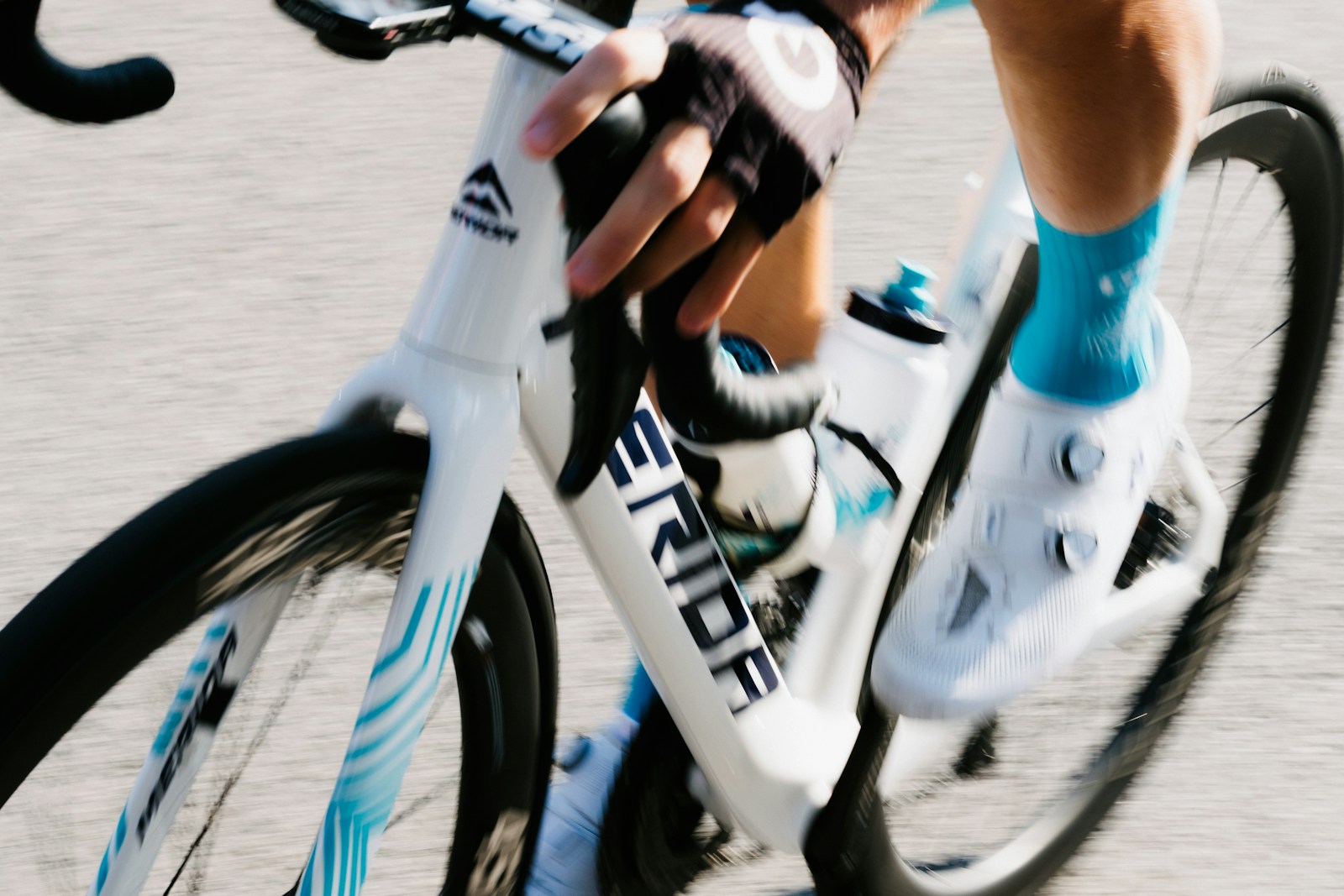
To hydrate well on the bike, aim for roughly 500–750 ml of fluid per hour in mild conditions and up to 1,000 ml per hour in heat, adjusted to your own sweat rate. Include sodium on rides beyond 60–90 minutes, split intake into small sips every 10–15 minutes, and use the cycling hydration calculator to build a personalized plan.
If you have ever felt thirsty or had a dry mouth during a ride, you already know hydration makes a real difference in performance. This guide shows you how to calculate how much water to carry, how to adjust for heat and humidity, and how to turn that into a practical plan.
Why hydration on the bike matters so much
During exercise, the body loses water mainly through sweat. On the bike, that loss can be even larger because of the time on the saddle and exposure to sun and wind. Even on cool days dehydration still happens — you just feel less thirsty and end up drinking too little.
Mild dehydration, starting around 2% of body weight, is enough to reduce your power, hurt your concentration and raise your cramp risk. It also makes it harder to digest food and absorb the carbohydrates you take in during the ride.
At the same time, overdoing it with water is not the answer either: drinking large amounts without replacing minerals can cause discomfort and, in extreme cases, hyponatremia. To understand how sodium fits into the plan, take a look at the role of electrolytes on the bike.
Free: the Cycling Race Fueling Checklist
Turn this into a race-week plan: carbs, bottles, sodium, caffeine and feed-zone prep in one free PDF you can print or keep on your phone.
Quick definition: cycling hydration
Cycling hydration is the process of replacing water and electrolytes lost through sweat during a ride, in enough volume and frequency to preserve blood volume, sustainable power and mental clarity — without overdoing it to the point of discomfort or hyponatremia.
How to calculate your fluid needs on the bike
How much water you should carry depends on individual factors like sweat rate, weather and intensity. A simple way to find your number is to measure your sweat rate:
- Weigh yourself without clothes before a 1-hour ride.
- Ride at moderate intensity, without eating or drinking (if possible).
- Weigh yourself again right after, dry.
- Each 1 kg lost ≈ 1 liter (1,000 ml) of sweat.
- Add whatever you drank during the ride to the weight you lost.
- Divide by the time in hours to get your sweat rate per hour.
If you prefer to automate the math, use the sweat rate calculator and then build a full plan with the hydration calculator.
A good target is to replace at least 70–80% of the estimated loss during the ride, and top the rest up afterward. On very long rides or in extreme heat, try to get closer to 100% replacement.
How much water per hour: reference table
Use this table as a starting point. Adjust it to your real sweat rate.
| Condition | Intensity | Water per hour | Sodium per hour |
|---|---|---|---|
| Cold (< 15°C / 59°F) | Light to moderate | 400–600 ml | 300–500 mg |
| Mild (15–22°C / 59–72°F) | Moderate | 500–750 ml | 400–700 mg |
| Hot (23–30°C / 73–86°F) | Moderate to hard | 750–1,000 ml | 600–900 mg |
| Very hot and humid (> 30°C / 86°F) | Hard | 1,000–1,500 ml | 800–1,200 mg |
Values are starting estimates for healthy adult cyclists. Heavy sweaters and very hot races may require even higher volumes — which is exactly why individual measurement matters.
How to adjust hydration during the ride
What works on one ride will not always work on another. Temperature, intensity, duration, altitude and terrain all change how much water you need. Adjusting is essential to avoid both dehydration and the discomfort of drinking too much. For a detailed step-by-step, see the cycling hydration calculator.
Signs you need to drink more:
- Persistent thirst and dry mouth
- Dark yellow urine or very low volume
- Unexplained drop in power
- Mild headache or trouble concentrating
Signs you might be drinking too much:
- Heavy stomach with sloshing sounds
- Frequent need to urinate, with almost colorless urine
- Nausea with no other obvious cause
On longer rides, break intake into small sips every 10–15 minutes instead of taking down large volumes at once. On hot or humid days, drink more frequently and prioritize electrolyte drinks. If you want to go deeper on the ideal volume by rider profile, the article on how much water to drink while cycling has more practical examples.
Practical strategy for races and long rides
- Before the ride: drink 400–600 ml of fluid with electrolytes in the 2 hours before starting, and check urine color (it should be light, straw-like).
- On the ride: carry one bottle with plain water and another with an electrolyte drink. Alternate every 10–15 minutes.
- Aid stations: refill both bottles at every stop when the next station is more than 45 minutes away or the day is hot.
- After the ride: replace 1.25 to 1.5 times the weight lost over the next 4–6 hours, alongside a salty meal.
Riders with a history of cramps, extreme heat exposure or very salty sweat usually benefit from drinks with higher sodium concentration (700–1,000 mg/l).
Common hydration mistakes on the bike
- Starting the ride already dehydrated.
- Waiting until you feel thirsty to drink.
- Using plain water only in long races or on hot days.
- Trusting a "fixed rule" without measuring your own sweat rate.
- Rehydrating too fast after the race without enough sodium.
Build your personalized hydration plan
Every cyclist has a different sweat rate, and your local weather changes everything. Combine your sweat measurement with a structured plan so you do not leave performance out on the road.
Calculate my personalized hydration →
For a complete fueling strategy that integrates carbohydrates, hydration and electrolytes across the ride, consider a personalized plan:
Build my personalized fueling plan →
This content is educational and does not replace individualized medical or nutrition advice.
Frequently asked questions
How much water should I drink per hour on the bike?
Most cyclists do well with 500–750 ml (about 17–25 oz) of fluid per hour in moderate conditions. In heat or high humidity, requirements can rise to 1,000 ml per hour or more. The most accurate way to know is to measure your own sweat rate.
How do I know if I'm dehydrated on the bike?
Common signs include thirst, dry mouth, dark yellow urine, dropping power, headache, and difficulty making decisions. When you notice thirst, you are already behind — drink on a schedule instead of relying on how you feel.
Is water alone enough for long rides?
For rides beyond about 60–90 minutes, especially in heat, water alone is usually not enough. Sweat carries sodium and other electrolytes, so a mix of water and an electrolyte drink helps maintain performance and reduces cramp risk.
How can I calculate my sweat rate?
Weigh yourself nude before and after a 1-hour ride without eating or drinking. Each 1 kg lost equals about 1 liter of sweat. Add anything you drank during the ride to estimate total loss per hour.
Can I drink too much water on the bike?
Yes. Drinking large volumes of plain water without replacing sodium can cause hyponatremia, which is dangerous. Match intake to sweat loss and include electrolytes on long or hot rides instead of just chugging water.
Turn this strategy into a real plan.
FuelQ Pro builds personalized fueling for your training weeks, long rides and races — plan, execute, review, improve.