How Much Sodium for Cyclists: Per-Hour Ranges and Heat Adjustments

Gabriel Ricce
Lamorinda MBO Racing · USA Cycling Coach Level 3
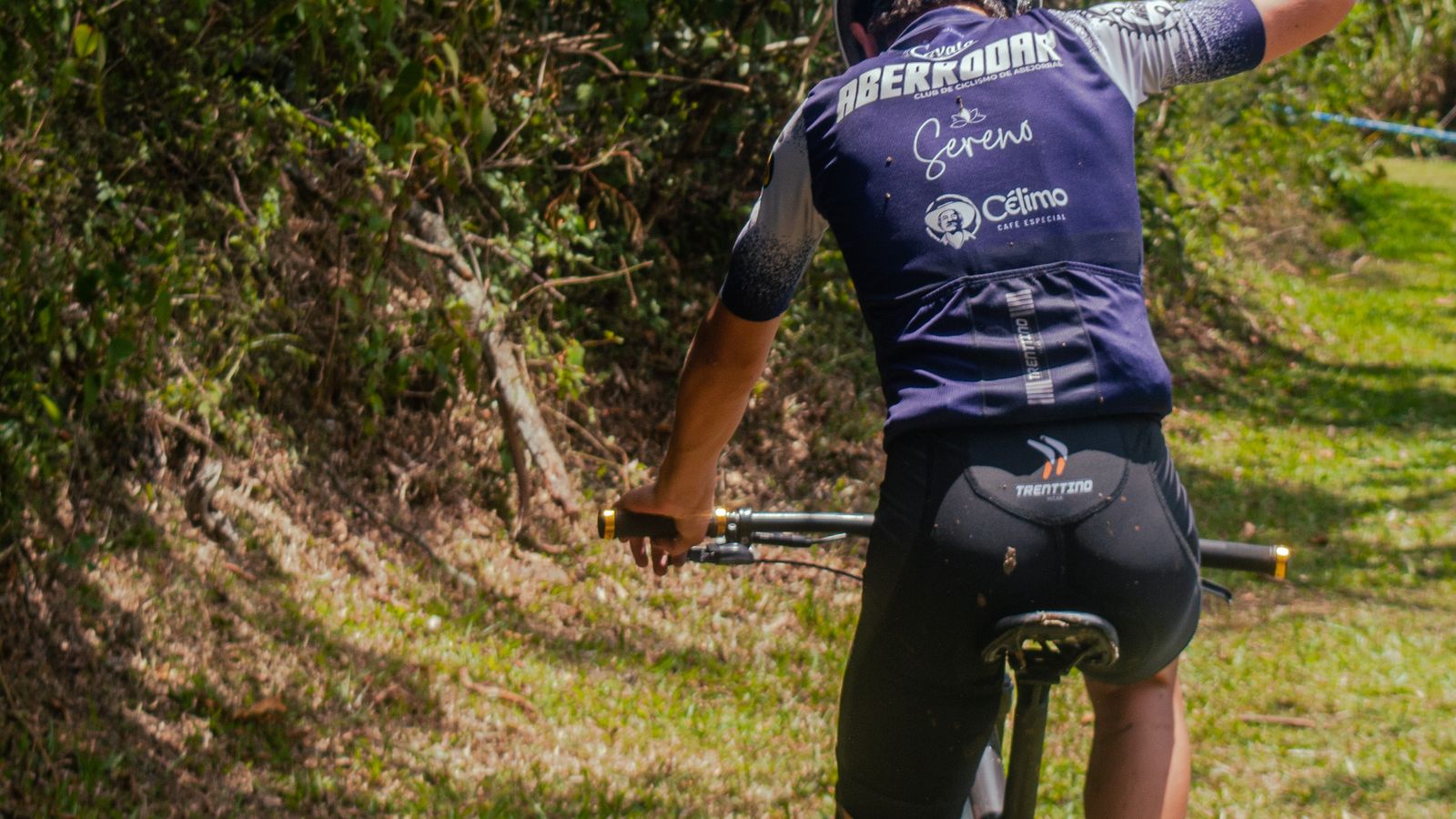
Most cyclists perform well on 400–1,000 mg of sodium per hour, adjusted for sweat rate, heat and intensity. Salty sweaters or hot/humid conditions push toward 1,000–1,500 mg/h; short, cool rides sit closer to 300–500 mg/h. Match the number to your sweat, split it across bottle + gel + capsule, and test it in training.
Sodium is the electrolyte that keeps the engine running. It maintains blood volume, supports oxygen and nutrient delivery, and drives muscle contraction and nerve conduction. When you sweat, you lose water and sodium — replacing only water dilutes blood sodium and raises the risk of hyponatremia and the classic late-ride bonk. For a broader view of electrolytes, see electrolytes for cycling.
Why sodium matters in cycling
On long or hot rides, sodium losses accelerate. The result is unstable pacing, higher perceived effort and difficulty holding power. Adding sodium to your fluids improves fluid retention, cuts constant bathroom stops and speeds intestinal absorption of carbohydrate — keeping energy steady.
Every cyclist sweats differently. Watch for practical signs: white salt marks on your kit, recurring cramps, hand swelling, or thirst that never quits. Planning sodium alongside fluids and carbs is what keeps you strong from start to finish.
Free: the Cycling Race Fueling Checklist
Turn this into a race-week plan: carbs, bottles, sodium, caffeine and feed-zone prep in one free PDF you can print or keep on your phone.
Practical ranges: how much sodium per hour?
Use these as a starting point, then refine with testing:
| Scenario | Sodium/hour | Fluid/hour | Concentration |
|---|---|---|---|
| Easy / cool (< 90 min) | 300–500 mg | 400–600 ml | 600–900 mg/L |
| Endurance, neutral (2–4 h) | 500–800 mg | 500–750 ml | 800–1,200 mg/L |
| Heat / humidity / salty sweater | 800–1,000+ mg | 600–900 ml | 900–1,400 mg/L |
| Long climb, high intensity | 700–1,100 mg | 500–700 ml | 1,200–1,600 mg/L |
How to adjust: track thirst, post-ride weight loss (>2% signals under-replacement), urine color and how you feel late in the ride. Hand swelling or a heavy stomach = dilute and add water.
How to estimate your sodium number
There's no single number for every cyclist. Combine sweat rate, climate and intensity.
- Look for signals — white marks on your helmet strap, stinging eyes, gritty skin and recurring cramps in hot sessions all suggest salty sweat.
- Weigh in / weigh out — weigh yourself (dry, no kit) before and after a 60–120 min ride. Each 1 kg lost ≈ 1 L of sweat. Add the fluid you drank. Repeat in different conditions.
- Convert to sodium — sweat sodium varies widely (~400–1,500 mg/L). Rough starting points: light salt marks = 400–700 mg/L; visible marks and cramps = 800–1,200 mg/L; heavy crystals and stinging eyes = 1,200–1,500 mg/L.
- Multiply — sodium/hour = sweat L/h × sodium mg/L.
- Field test — refine over 2–3 weeks across temperatures and durations. Use the sweat rate calculator to standardize the math.
This is educational and doesn't replace individualized medical or nutrition advice.
Turning the number into a plan
Knowing your target is the start. Convert it into what actually goes into each bottle and jersey pocket. The Cycling Hydration Calculator can turn your number into a personalized plan.
- Set the hourly target — 400–1,000 mg/h for most riders. Salty sweaters trend toward the top.
- Split by bottle and gel — add up sodium from what you already use. Example: 500 ml sports drink = 300 mg; gel = 120 mg. Target 800 mg/h with 750 ml/h + 1 gel = 570 mg → add ~230 mg via capsule or a stronger mix.
- Adjust for volume — cold day = less fluid, slightly higher concentration. Hot day = more volume, keep concentration steady to protect your gut.
- Plan by duration and aid stations — for a 3 h ride, label each bottle ("600 mg / 500 ml"). Carry electrolyte sachets to standardize aid-station water.
- Test in training — cramps or sudden power drop with heavy sweat = need more sodium. Swelling, extreme thirst or gut distress = too much.
Adjustments for heat, humidity and altitude
Heat and humidity raise sweat rate and sodium losses. On hot/humid days, add sodium and fluid: extra bottles, salt capsules or drinks at 600–900 mg/L, and shorter drink intervals (small sips every 8–10 min). See cycling fueling strategy for full-plan context.
At altitude, ventilation rises and urine output can increase in the first 24–72 h, reducing plasma volume. Add a bit more sodium in early sessions and monitor thirst, body weight and urine color. Don't overload — the goal is balance.
Common sodium mistakes
- Relying on thirst alone — usually too late. Plan hourly targets in advance.
- Underestimating your own sweat — salty sweaters lose more. Calibrate with tests.
- Overdoing water without salt — dilutes blood sodium and can cause hyponatremia.
- Trusting only carb gels — many are low in sodium. Sum every source.
- Fixed dosing for every climate — hot and altitude days need more.
- Ignoring warning signs — cramps, hand swelling, dizziness. Adjust in real time.
- Not testing before race day — validate mixes and logistics in training.
Quick pre-ride checklist
- Calculate sodium: know sweat rate (L/h) and sodium target (mg/h) for today's conditions.
- Prep hydration: bottles at target concentration (e.g. 500–900 mg/L), labeled per hour.
- Plan replacement: capsules or sachets for full duration + 20% buffer.
- Match carbs: 30–90 g/h to support sodium and fluid absorption.
- Check weather: adjust up for heat/humidity; know refill points.
- Test in training: nothing new on race day.
- Watch for warning signs: cramps, dizziness, swelling, nausea → adjust volume/sodium.
FAQ
How much sodium per hour for cyclists? Most riders perform well at 300–800 mg/h, reaching 1,000–1,500 mg/h in intense heat with heavy salty sweat on long rides. Adjust to your sweat, climate and intensity.
How do I know if I'm a "salty sweater"? White marks on kit/helmet, stinging eyes, gritty skin, and recurring cramps in hot rides. If any of these show up, you likely need more sodium.
Are cramps just a sodium issue? No — they're multifactorial (neuromuscular fatigue, conditioning, fluids and electrolytes). Sodium helps but isn't the only lever.
Capsules, sports drink or gel? All work — bottles make continuous intake easy, capsules give precise dosing, gels vary. Combine to hit your hourly target without over-drinking plain water.
Can I take too much sodium? Yes. Signs include swelling, extreme thirst and GI distress. In long races, prioritize balance: sodium + fluid + carbs together.
Can plain water cause hyponatremia? In excessive, prolonged intake, yes — it can dilute blood sodium. On rides > 2–3 h, include electrolytes matched to your sweat rate.
How do I adjust in the heat? Gradually increase sodium and fluid, monitor urine color, pre/post weight and thirst. Plan hourly and review after key sessions.
Signs I got it right: steady energy, minimal bathroom urgency, no headache, few cramps, and thirst that stays manageable.
This content is educational and doesn't replace individualized medical or nutrition guidance.
Build your hydration plan now
Getting sodium right starts with your data. Measure sweat rate, factor in climate and intensity, then adjust concentration: 500–1,000 mg/L works for most riders; salty sweaters may need 1,000–1,500 mg/L. Split across bottles and align with carbs.
Calculate your hydration and build a personalized plan →
For a complete plan integrating hydration, carbs and electrolytes:
Build my personalized fueling plan →
This content is educational and doesn't replace individualized medical or nutrition advice.
Frequently asked questions
How much sodium per hour do cyclists need?
Most cyclists perform well at 300–800 mg of sodium per hour, reaching 1,000–1,500 mg/h in intense heat, heavy sweat and long rides. Adjust to your sweat rate, climate and intensity.
How do I know if I'm a salty sweater?
Look for white marks on your kit/helmet, stinging eyes, gritty skin, and recurring cramps in hot rides. If these show up, you likely need more sodium.
Are cramps caused by low sodium?
Cramps are multifactorial — neuromuscular fatigue, conditioning, hydration and electrolytes all contribute. Sodium supports plasma volume and nerve conduction but isn't the only cause.
Can plain water cause hyponatremia?
In excessive, prolonged intake it can dilute blood sodium. On rides longer than 2–3 hours, always include electrolytes matched to your sweat rate.
Capsules, sports drink or gel — which is best for sodium?
All work. Sports drinks make continuous intake easy, capsules provide precise dosing and gels vary widely. Combine them to hit your hourly target without over-drinking plain water.
Turn this strategy into a real plan.
FuelQ Pro builds personalized fueling for your training weeks, long rides and races — plan, execute, review, improve.