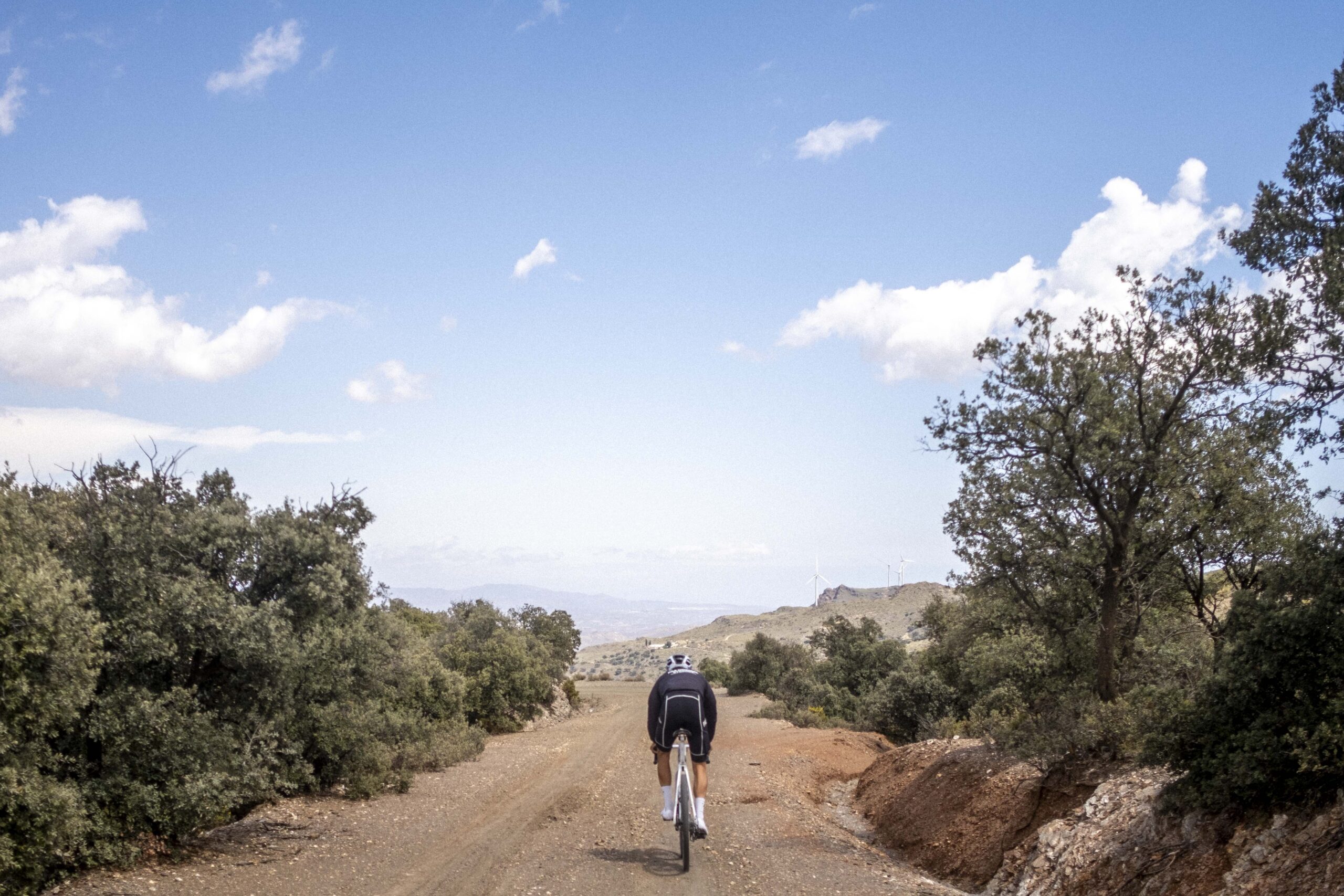
    Badlands landscape
    Gravel · Fueling GuideUpdated Jul 2026

    Badlands — Fueling Guide

    Badlands — a 466 mi self-supported ultra-gravel race across Andalusia, from Granada through the Sierra Nevada and the Gorafe desert to the Almería coast, held late August each year.

    Build Your Personalized Race Fueling Plan — $19

    Fueling challenges & strategy

    General, evidence-based guidance. Numbers should always be personalized to sweat rate, body mass, fitness and weather.

    Carbohydrate strategy

    For a 3–6 day ultra, 40–70 g/hr of a mix of real food (bocadillos, bananas, dried fruit) and sports nutrition (gels, drink-mix, chews) is more sustainable than sprint-race intake. Bias sports products for the first 12 hours when the gut can still tolerate them; rotate to more real food from day 2 onward as flavour fatigue and GI stress build.


    Hydration

    In Gorafe heat, 24–51 fl oz/hr on the bike + another 34–101 fl oz consumed at every resupply. Carry 135–203 fl oz of on-bike capacity for the biggest gaps (2× 34 fl oz bottles + 2× soft flasks in a hip pack + a 68 fl oz bladder is a common Badlands setup). Refuse to leave a resupply without every container topped up, even if the next one 'should' be close.

    Sodium

    600–1,500 mg/L of fluid, tuned to sweat testing in similar heat. Cumulative sodium deficit is the classic desert-race collapse — muscle cramping, nausea, dizziness on climbs. Salt caps or high-sodium electrolyte tabs let you dose independently of drink-mix flavour fatigue.

    Caffeine

    Rotate low-dose and high-dose blocks across the race to preserve responsiveness. Typical daily intake 200–600 mg, timed for pre-dawn starts and the mid-afternoon low. Skip caffeine entirely for one 8-hour window every 24 hours to protect the response for the moments that decide finishing.

    Resupply strategy (there are no aid stations)

    The entire race runs on public infrastructure: village shops (tiendas), gas stations, bars/venta with menú del día, and marked fountains. Pre-load a resupply map on your GPS the week before the race — village name, distance from the previous, opening hours (many close 14:00–17:00 for siesta), water reliability. Never leave a resupply that has functional water without full bottles.

    Pre-race breakfast (and pre-departure meal each morning)

    1–3 g/kg carbohydrate 2–3 hours before rolling out, from rehearsed foods that sit well in heat: oatmeal + honey + banana, white bread with jam, rice pudding, sports drink. Avoid high-fibre and high-fat first thing when heart rate spikes on the first climb.

    During-race execution

    Alarm-based fueling every 20–30 minutes on the bike whether you feel like it or not — thirst and hunger cues are unreliable at hour 30+. Log every intake on your head unit or a wrist note to catch drift before it becomes deficit. Eat real hot meals at bars/ventas whenever the timing allows to protect gut function.

    Recovery (each sleep is a mini-recovery)

    Every off-bike stop over 30 minutes is a recovery window: 1.0 g/kg carbohydrate + 0.3 g/kg protein + 17 fl oz water with sodium before sleep. A cold shower or river dunk to drop core temperature significantly improves sleep quality in the desert.

    Fueling timeline by phase

    Grams and millilitres per hour for each phase of the race. Personalize to your sweat rate, body mass and conditions.

    Badlands 466 mi · phased by day for a 4-day mid-pack finisher

    Pre-race breakfast (T-3 h to T-30 min)

    Granada start·3 h before roll-out

    Carbs
    1–3 g/kg body mass (rehearsed)
    Fluids
    17–27 fl oz with 500–800 mg sodium
    Sodium
    500–800 mg

    Caffeine: 100–200 mg 30 min pre-start

    Focus: Familiar foods only. Bread + jam + banana + coffee is safer than anything novel. Empty the bladder twice before rolling.

    Day 1 — Granada → Sierra Nevada foothills

    0–124 mi·Hour 0 → hour 12

    Carbs
    70–90 g/hr (peak race-day gut tolerance)
    Fluids
    24–34 fl oz/hr
    Sodium
    700–1,000 mg/L

    Caffeine: 100–150 mg mid-morning + 100 mg pre-siesta window

    Focus: Race-format fueling while the gut is fresh. Big climb into Sierra de Huétor early — do not chase groups above your zone 2 HR. Rehearse a full resupply stop (village bar): 2 bottles refilled, 1 hot Coke, 1 sandwich packed for the next 90 min.

    Day 1 night — first sleep window

    124–174 mi·Hour 12 → 18

    Carbs
    40–60 g/hr on the bike + real meal at sleep stop
    Fluids
    17–24 fl oz/hr
    Sodium
    500–800 mg/L

    Caffeine: None from 4 hours before planned sleep

    Focus: Choose a planned village (Guadix, Gor or similar based on your pace). Real hot meal + shower + 3–5 hr sleep. Kit dries overnight. Set two alarms.

    Day 2 — Gorafe desert crossing

    174–261 mi·Hour 18 → 40

    Carbs
    50–70 g/hr with more real food (bread, dates)
    Fluids
    34–51 fl oz/hr in heat
    Sodium
    800–1,200 mg/L

    Caffeine: 100 mg pre-dawn + 100 mg mid-afternoon low

    Focus: The signature day. Start pre-dawn to bank distance in cool air. Full 169–203 fl oz on-bike capacity leaving the last village before Gorafe. Force intake by alarm — appetite is dead by mid-afternoon. Night ride the last 25 mi if daytime heat is over 104 °F.

    Day 3 — Sierra de los Filabres & Almería badlands

    261–360 mi·Hour 40 → 65

    Carbs
    40–60 g/hr (accept lower gut tolerance)
    Fluids
    34–44 fl oz/hr
    Sodium
    700–1,100 mg/L

    Caffeine: Skip morning caffeine one day per race to reset responsiveness

    Focus: GI resilience matters more than peak intake now. Rotate to more real food (bread + cheese + cured meat + fruit). Second structured sleep 3–5 hours at a planned pueblo. Ferritin-low riders start feeling altitude cumulatively — pace by HR, not power.

    Day 4 — Tabernas & Cabo de Gata to finish

    360–466 mi·Hour 65 → finish

    Carbs
    50–70 g/hr (protect final push)
    Fluids
    34–51 fl oz/hr
    Sodium
    800–1,200 mg/L

    Caffeine: 150–250 mg for the final push once you can smell the sea

    Focus: Tabernas desert is exposed and hot even mid-morning. Coastal wind can be brutal in the last 37 mi. Do not skip the final resupply — the finish 'feels' close and riders under-drink the last 3 hours and cramp on the beach.

    Recovery (T+0 to T+24 h post-finish)

    Finish line·First 24 h after crossing the line

    Carbs
    1.0–1.2 g/kg within 60 min, then 8–10 g/kg over 24 h
    Fluids
    150% of estimated body-mass loss with sodium
    Sodium
    3,000–5,000 mg cumulative day 1 post-race

    Focus: Cold shower first, then real meal (paella + patatas bravas + Coke). Sleep priority over 'refuelling correctly'. Ferritin, vitamin D and iron check 7–10 days after the race, not immediately.

    Numbers assume a 3.5–4 day finisher in typical late-August heat (95–108 °F days, 59–68 °F nights above 4,920 ft). Faster riders compress phases; slower riders extend day 2 into 3 and add a third sleep. Individual sweat rate can shift fluid and sodium targets by ±30% — personalize with a pre-race sweat test in similar conditions.

    What most riders get wrong

    • 01

      Racing it like a one-day event

      Sprint-race fueling volumes (>90 g/hr indefinitely) break the gut within 24 hours in desert heat. Ultra fueling has to be sustainable for 3–6 days, which means lower peak carbs and more real food.

    • 02

      Under-carrying water into the Gorafe

      Desert resupply gaps in the Gorafe crossing are unforgiving. Riders drop out because bottles run dry between villages, not because they cannot drink. Every fuente-marked stop should top off every container even if the next 'should' be soon.

    • 03

      Ignoring sodium

      In Gorafe heat, sodium deficit is the classic cause of cramping, nausea and DNF. Water without sodium at 51 fl oz/hr sweat rate accelerates the problem — dilutional hyponatremia is a real risk, not a theoretical one.

    • 04

      Sleeping too little

      Cognitive fog wrecks navigation, fueling decisions and safety on technical descents. Two structured 3–4 hr sleeps beat one 6-hr late push for most riders. Sleep deprivation is why leaders DNF, not why they finish first.

    • 05

      New foods, kit or shoes on race day

      Unfamiliar shop food in extreme heat is a fast route to GI collapse. Unfamiliar chamois after 20+ hours in the saddle is a race-ender. Rehearse the entire kit on training rides of 200+ km in comparable heat before you commit.

    • 06

      No caffeine rotation plan

      Constant caffeine over 3–5 days causes tolerance drift and worse late-race responsiveness. Deliberately rotate lower-dose days and skip 8-hour caffeine windows to keep the response sharp for the moments that decide finishing.

    • 07

      Riding through the 14:00–17:00 heat peak

      Daytime highs of 104–113 °F during the peak 3-hour window destroy multiple days of energy. Planned siesta stops in shaded venta or shops (they close 14:00–17:00 anyway) preserve gut function and evening pace. Night riding to compensate is a mainstream Badlands tactic.

    • 08

      Underestimating night cold in the Sierra Nevada

      Sub-50 °F temperatures above 6,560 ft at 03:00 catch riders who packed for the desert and forgot the mountain. A lightweight jacket, buff and long fingers weigh nothing and prevent a hypothermic bailout.

    • 09

      Skipping the final resupply near the coast

      The Cabo de Gata finish feels close from 25 mi out. Riders under-drink the last 3 hours, hit the coast in a strong wind, and cramp within 6 mi of the finish. Take the last full resupply on principle.

    Download the free printable race-day fueling checklist for Badlands

    A practical race-week checklist: carbs, hydration, sodium, caffeine and race-day supplies — print it or keep it on your phone.

    Related FuelQ resources

    Free calculators, checklists and articles to help you personalize your Badlands plan.

    Related content

    Frequently asked questions

    Generic fueling plans don't work for Badlands.

    Every athlete is different. FTP, finish time, body weight, sweat rate, weather, nutrition preferences and race goals all change what you should eat and drink.

    FuelQ Pro builds a personalized race fueling strategy tuned to your ride — carbohydrate, hydration, sodium, caffeine and recovery, mapped to the course.

    Start with the free checklist

    A Race Fueling Plan gives you a personalized strategy for this event. The free checklist helps you prepare the basics first: race-week setup, 48-hour prep, race morning, hydration, sodium, caffeine, aid stations, and backup calories.