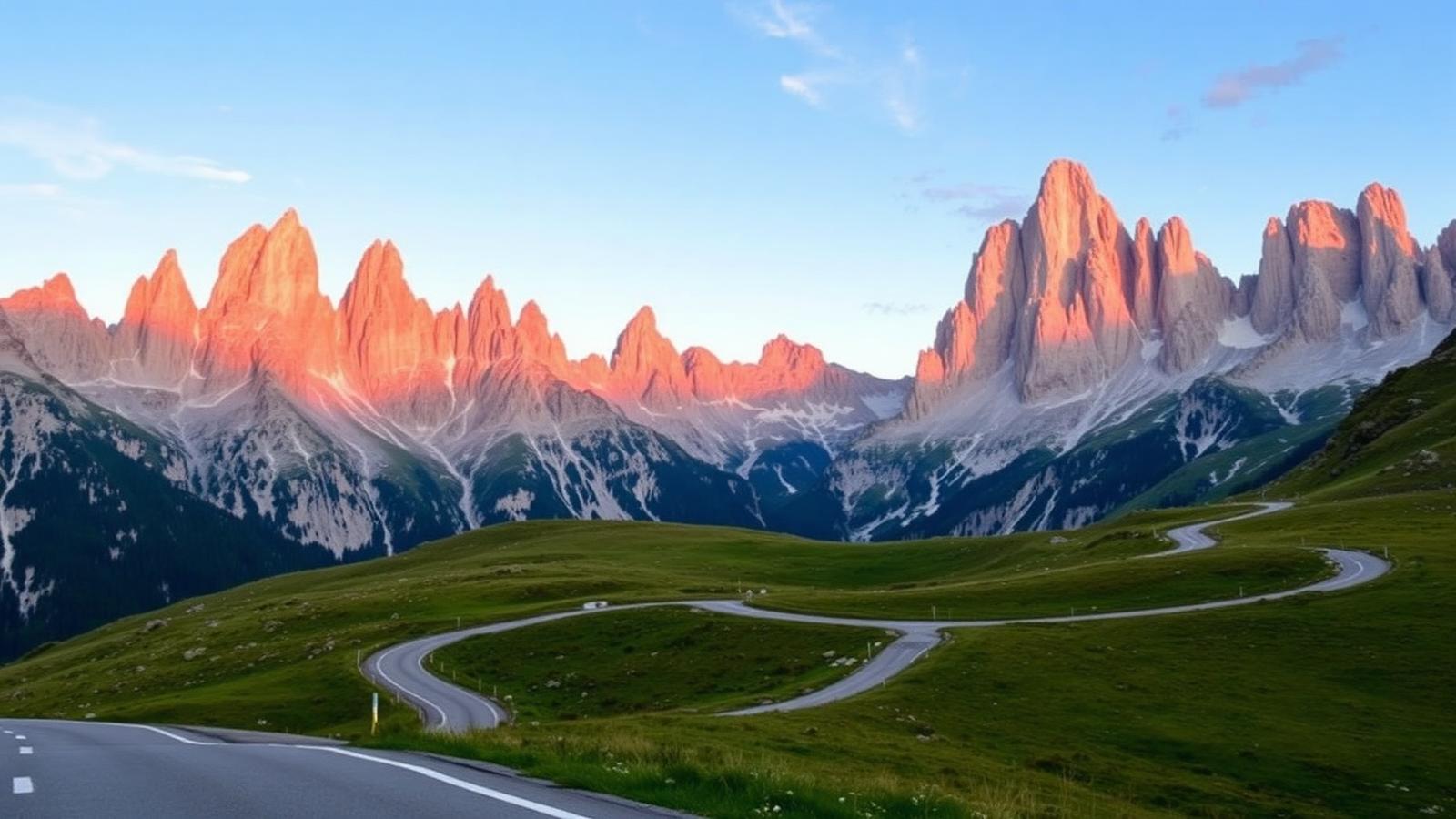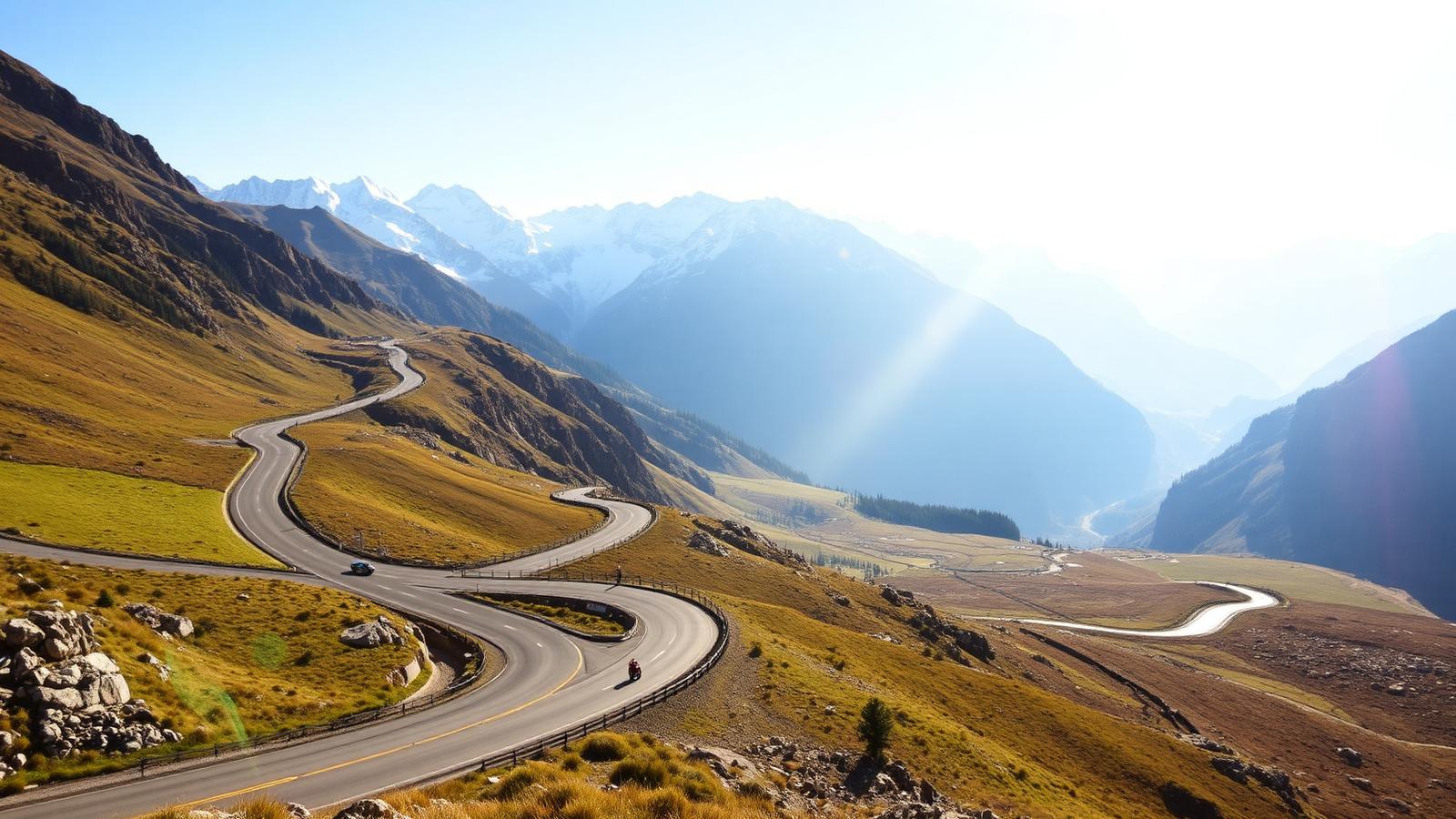
Weather & conditions at GFNY Bento
GFNY Bento Gonçalves runs in traditionally march–april (late southern-hemisphere summer / early autumn) — confirm the exact 2026 date on gfnybrazil.com.br in Bento Gonçalves, Rio Grande do Sul, Brazil (Serra Gaúcha wine country, ~120 km northeast of Porto Alegre). Course conditions and weather variability directly change how much you need to drink, how much sodium you lose, and how well you can absorb carbohydrate on the bike.
Late-summer / early-autumn heat
March–April in Rio Grande do Sul can still deliver 75–86 °F afternoons with strong sun exposure on open vineyard roads. Southern-hemisphere UV is higher than most northern riders expect at the same latitude equivalent.
Aid spacing
Aid points are placed by course design and are typically 25–37 mi apart (mid-pack riders can go 60–90 minutes between resupplies). A single 25 fl oz bottle empties in 60 minutes at Serra Gaúcha afternoon temperatures — plan capacity accordingly.
Why generic fueling plans don't work for GFNY Bento
Two riders on the same start line can need very different fueling. FTP, target finish time, body mass, sweat rate, temperature, altitude adaptation, nutrition products and race goals all change the answer. A generic 60 g/hr recommendation is a starting point, not a plan.
- FTP
- Finish time
- Body weight
- Sweat rate
- Weather
- Products
- Goals
- Course
Download the free printable race-day fueling checklist for GFNY Bento Gonçalves
A practical race-week checklist: carbs, hydration, sodium, caffeine and race-day supplies — print it or keep it on your phone.
Frequently asked questions
Generic fueling plans don't work for GFNY Bento.
Every athlete is different. FTP, finish time, body weight, sweat rate, weather, nutrition preferences and race goals all change what you should eat and drink.
FuelQ Pro builds a personalized race fueling strategy tuned to your ride — carbohydrate, hydration, sodium, caffeine and recovery, mapped to the course.
Start with the free checklist
A Race Fueling Plan gives you a personalized strategy for this event. The free checklist helps you prepare the basics first: race-week setup, 48-hour prep, race morning, hydration, sodium, caffeine, aid stations, and backup calories.