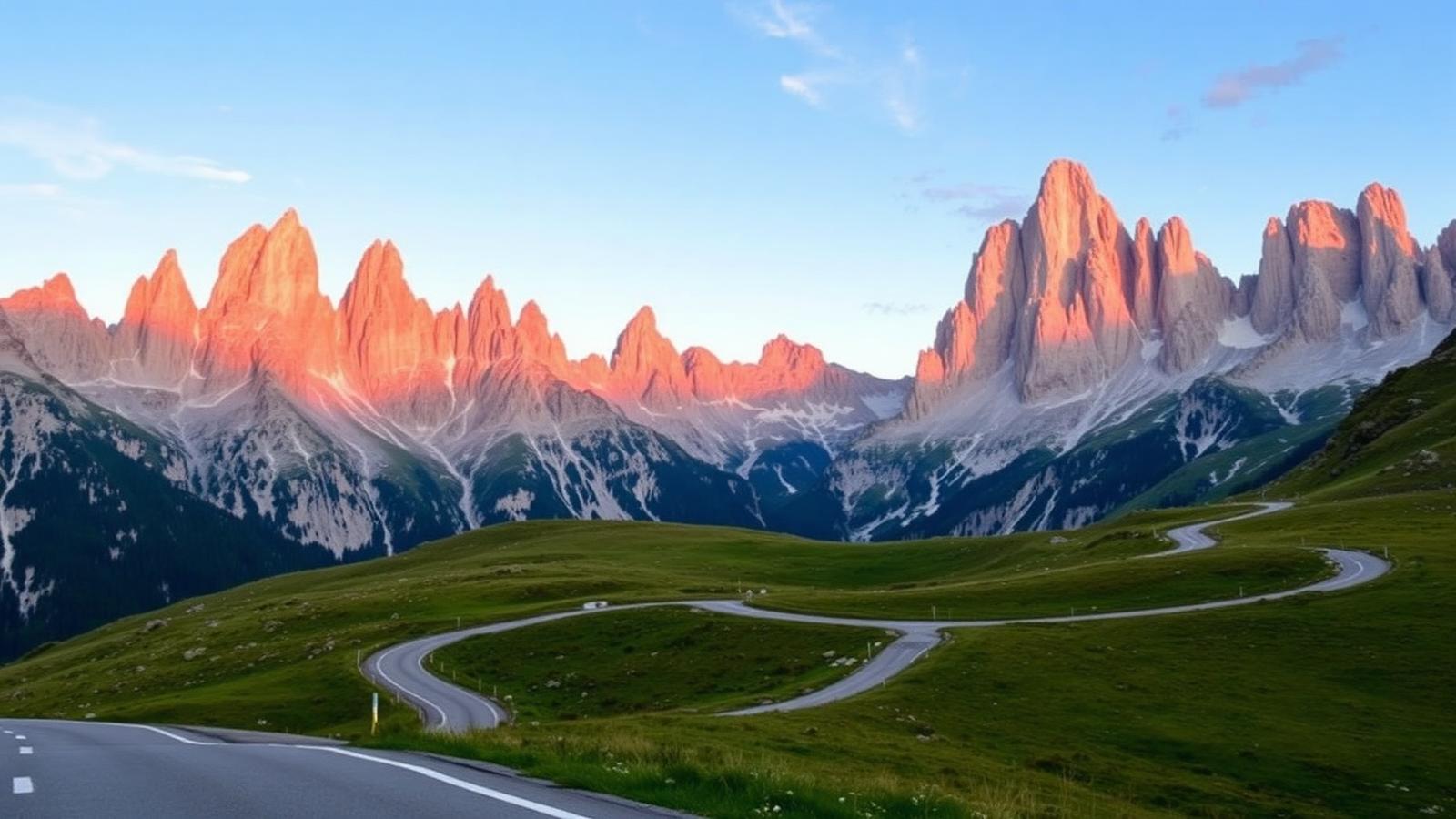
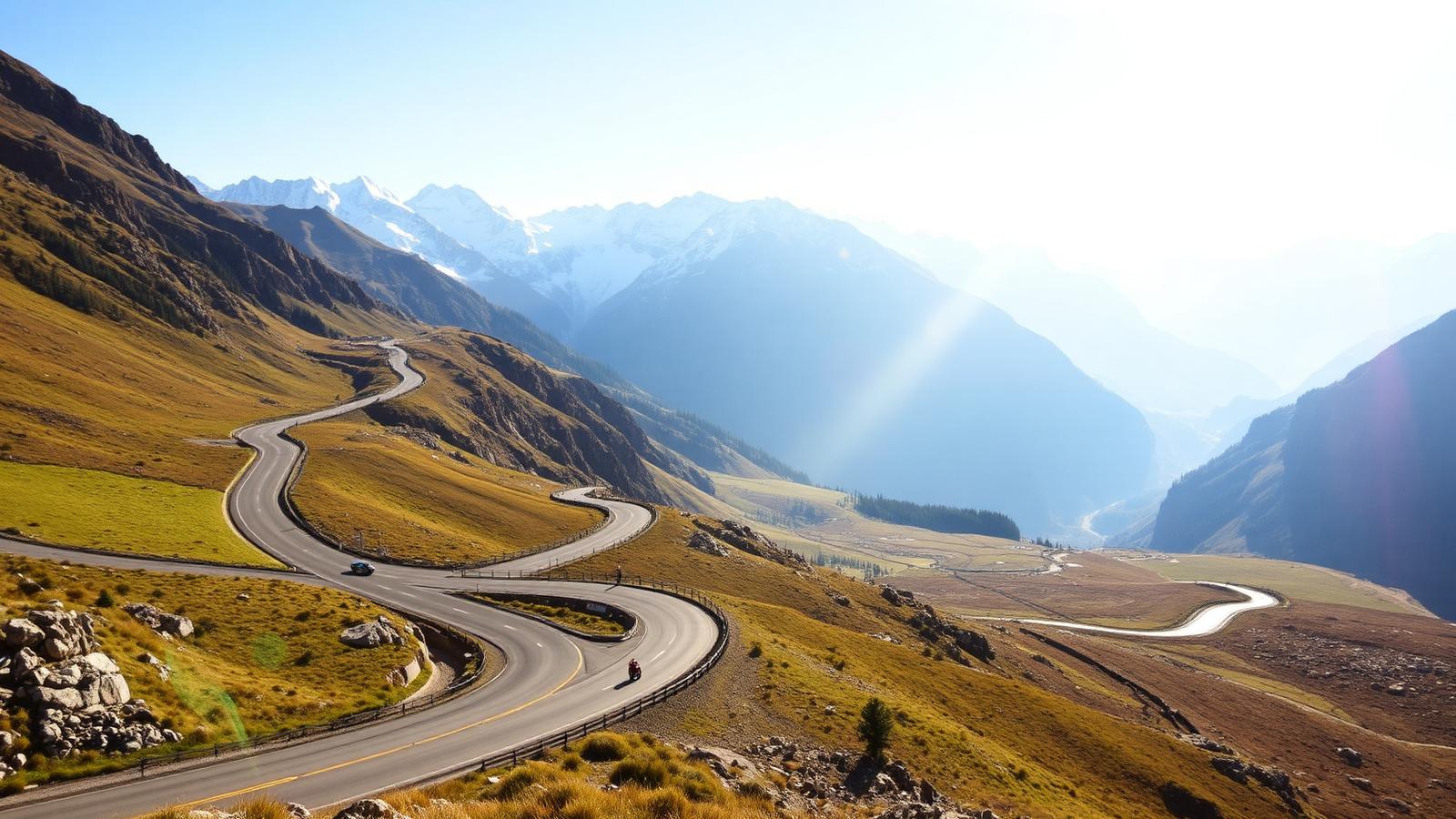
GFNY Bento Gonçalves 2026 — the Brazilian round of the global Gran Fondo New York series in the Serra Gaúcha wine country, with mass-start gran fondo racing, punchy vineyard climbs and GFNY World Championship qualification for the top 10% of every age group.
GFNY Bento Gonçalves is the Brazilian round of the international Gran Fondo New York series, held in the Serra Gaúcha wine country of Rio Grande do Sul. GFNY's global format — closed-road segments, competitive individual chip timing, mandatory official race jersey, and mass-start gran fondo racing — meets the Serra Gaúcha's vineyard-country climbs, colonial Italian-descent culture and southern-Brazilian late-summer heat. The event serves as a qualifier for the GFNY World Championship held every May in New York City: finishing in the top 10% of your age group earns you a qualifying spot. Distance options typically include a Long Course (Gran Fondo, ~81–99 mi) and a shorter Medio Fondo (~50–62 mi). Confirm the exact 2026 date, distances, elevation and pricing on gfnybrazil.com.br — the calendar and specifics are updated year over year.
Distance
Gran Fondo ~81–99 mi · Medio Fondo ~50–62 mi (confirm 2026 distances on gfnybrazil.com.br)
Elevation
≈ 1,800–9,190 ft of climbing on the Gran Fondo
Typical duration
3.5 – 6.5 hours for most amateur finishers on the Gran Fondo
Location
Bento Gonçalves, Rio Grande do Sul, Brazil (Serra Gaúcha wine country, ~120 km northeast of Porto Alegre)
Time of year
Traditionally March–April (late southern-hemisphere summer / early autumn) — confirm the exact 2026 date on gfnybrazil.com.br
Terrain
Closed and traffic-managed paved country roads, rolling Serra Gaúcha vineyard hills, sustained mountain climbs, fast alpine-style descents
Download the free printable race-day fueling checklist for GFNY Bento Gonçalves
A practical race-week checklist: carbs, hydration, sodium, caffeine and race-day supplies — print it or keep it on your phone.
Serra Gaúcha delivers repeated short, steep climbs (2–8 minutes at 6–12% gradient) mixed with longer sustained ascents. Punchy climbs push riders into repeated VO₂ efforts that burn glycogen faster than smoother tempo miles.
Race-format pacing pressure
GFNY events are scored competitively with individual chip timing and age-group rankings that qualify the top 10% for the GFNY World Championship in New York City. Riders systematically overshoot in the first hour chasing a fast group they cannot hold to the finish.
Late-summer / early-autumn heat
March–April in Rio Grande do Sul can still deliver 75–86 °F afternoons with strong sun exposure on open vineyard roads. Southern-hemisphere UV is higher than most northern riders expect at the same latitude equivalent.
Group dynamics + draft management
Mass-start road racing means group positioning, drafting economy and knowing when to cover moves versus let them go all decide finish time. Solo riders who cannot hold a group lose 15–25% to average speed on flat + rolling sections.
Aid spacing
Aid points are placed by course design and are typically 25–37 mi apart (mid-pack riders can go 60–90 minutes between resupplies). A single 25 fl oz bottle empties in 60 minutes at Serra Gaúcha afternoon temperatures — plan capacity accordingly.
Wind exposure on ridgelines
Open Serra Gaúcha vineyard-country ridgelines can add sustained wind load that increases power output for the same speed by 15–40 W. Wind also masks sweat losses — structured hydration beats intuition.
Descent skill on paved mountain roads
Serra Gaúcha descents include fast (60+ km/h) technical corners with variable surface quality. Late-race descending under fatigue is where crashes happen — riders who cannot descend confidently at speed pay for it in the final third.
Fueling challenges & strategy
General, evidence-based guidance. Numbers should always be personalized to sweat rate, body mass, fitness and weather.
Carbohydrate strategy
70–100 g/hr of mixed-source carbohydrate (glucose : fructose ~1 : 0.8) for trained road riders on the Gran Fondo. Punchy vineyard terrain rewards a stable, evenly-timed intake — trying to 'save calories' for the finish just means arriving under-fueled to the last climbing block.
Hydration
17–34 fl oz/hr, adjusted for late-summer heat, wind exposure and individual sweat rate. Cool morning starts trick riders into light bottle plans — drink to the clock, not to thirst, especially in the first two hours when perceived need is lowest.
Sodium
500–1000 mg of sodium per liter of fluid as a default. Riders with visible salt on kit belong at 800–1200 mg/L. Sodium debt on GFNY builds silently across 4–6 hours and typically shows up as cramping on the last climb, not the first.
Caffeine
3–6 mg/kg body mass, split between pre-start (with breakfast) and the base of the biggest mid-race climb. A 154 lb rider targeting 5 mg/kg takes ~200 mg pre-race and 150 mg mid-race. Save at least one 50–100 mg dose for the final climbing block.
Aid station strategy
Every stop is a bottle swap first, calorie top-up second. Rehearse a 30-second stop in training. Riders in podium contention often use a support crew at aid stations to swap pre-mixed bottles without dismounting.
Pre-race breakfast
1–4 g/kg carbohydrate 2–4 hours before the gun, from familiar low-fiber, low-fat foods. A 154 lb rider targets 140–280 g CHO. Oats + banana + honey, bagel + jam or arroz + mel are proven. Add 30–50 g CHO 15–30 min pre-start via a gel and sports drink.
During-race execution
Set a 15-minute alarm from km 0. Group racing adrenaline and mass-start intensity suppress appetite in the first hour where structure matters most. Fuel BEFORE the biggest climbs and on the flatter transitions — you cannot eat safely at threshold on a 10% pitch.
Recovery
Within 30–60 minutes of finishing: 1.0–1.2 g/kg carbohydrate + 0.3 g/kg protein + 150% fluid replacement with sodium. GFNY finish villages typically include post-race food — use it. The 60-minute post-race window is the single highest-return investment for how you feel the next week.
Fueling timeline by phase
Grams and millilitres per hour for each phase of the race. Personalize to your sweat rate, body mass and conditions.
GFNY Bento Gonçalves Gran Fondo (~81–99 mi, 3.5–6.5 hr) — targets for a mid-pack finisher
Phase 1 — Cool-morning rollout + mass start
0 → first aid (~25–31 mi)·0:00 → ~1:15
Carbs
70–80 g/hr (start eating within 15 min despite adrenaline)
Fluids
14–20 fl oz/hr (cool morning masks losses — drink to the clock)
Sodium
500–700 mg/hr
Caffeine: 150–200 mg 20 min pre-start (with breakfast option)
Focus: Do NOT chase the front group. Cap effort at high Zone 2 / low Zone 3 HR. Position yourself in a comfortable group. Lock in a 15-min intake alarm from km 0 — adrenaline will suppress hunger.
Phase 2 — Middle third + climbing bloc
First aid to peak climbing (~31–62 mi)·~1:15 → ~3:00
Carbs
80–100 g/hr (bank calories before punchy climbs)
Fluids
17–27 fl oz/hr as afternoon sun climbs
Sodium
700–900 mg/hr
Caffeine: 150 mg at the base of the biggest climb (mid-race dose)
Focus: Fuel BEFORE punchy climbs, not on them. Sit in the group when possible, take turns when appropriate. Don't chase moves you can't hold — steady effort beats surging.
Phase 3 — Second-half climbs + wind exposure
Peak climbing → final aid (~62–81 mi)·~3:00 → ~5:00
Carbs
70–90 g/hr (liquid + gel biased — chewing at threshold gets hard)
Focus: Force calories even at reduced appetite. Every aid stop: bottle swap first, calories second, 30–60 seconds max. Save one match for the last climbing block.
Phase 4 — Final push to Bento Gonçalves finish
Final aid to finish (~81–99 mi)·~5:00 → finish
Carbs
60–80 g/hr (save one gel for the last 30 min)
Fluids
17–24 fl oz/hr
Sodium
500–700 mg/hr
Caffeine: 50–100 mg for final push if under total cap (≤6 mg/kg)
Focus: Ride to power / HR, not to feel. The GFNY finish rewards riders who kept a match unlit — if you paced correctly, this is your attack window. If you spent too early, ride the group that catches you.
Phase 5 — Recovery (T+0 to T+60 min)
Finish line to hotel·T+0 → T+60
Carbs
1.0–1.2 g/kg CHO within 60 min (recovery drink + fruit + solid; GFNY finish food if available)
Fluids
150% of body-mass loss with sodium
Sodium
500–1000 mg with recovery drink
Focus: Recovery starts the moment you cross the line. Rehydrate, refuel, then think about the wine tasting. GFNY finish villages usually include post-race food — use it.
Aid station distances and mid-race climb sequences are illustrative — confirm the exact 2026 Gran Fondo route, aid layout and final elevation profile in the current-year GFNY Bento Gonçalves athlete communications on gfnybrazil.com.br. Individual sweat rate can shift fluid and sodium targets by ±30%; personalize with a pre-race sweat test.
Carbohydrate loading for GFNY Bento
A structured 48–72 hour carbohydrate-loading protocol tuned for a long day at altitude. Rehearse it before a training block, not for the first time on race week.
72 hours out (race-week arrival)
Target 6–8 g/kg body mass per day of carbohydrate while transitioning to lower-fiber, lower-fat foods that protect the gut for race day. Reduce raw vegetables, fried food and heavy sauces. Add 500–1,000 mg sodium per liter of fluid — Serra Gaúcha late-summer heat starts stealing sodium the moment you arrive.
48 hours out
Target 8–10 g/kg body mass per day of carbohydrate from familiar low-fiber sources: rice, pasta, potato, bread, sports drinks, honey. Bento Gonçalves's Italian-influenced cuisine has excellent pasta options — leverage it, but stick to plain sauces (not creamy or spicy). Keep protein moderate (1.2–1.6 g/kg/day). Reduce fat. Hydrate to pale-yellow urine.
24 hours out
Same high-carb, low-fiber, low-fat pattern. Do not experiment with new restaurants, a special local dish or a wine tasting — GFNY is decided by preparation, not by celebration timing. Ride 30–45 min easy with 3–5 race-effort openers. Sleep 8+ hours.
Race morning
1–4 g/kg carbohydrate 2–4 hours before the gun (a 154 lb rider targets 140–280 g CHO), from familiar low-fiber, low-fat foods. Options: oats + banana + honey, bagel + jam or a rice bowl. No experiments. Add 30–50 g CHO 15–30 minutes before start via a gel and sports drink.
Post-race recovery
Within 30–60 minutes of the finish: 1.0–1.2 g/kg CHO + 0.3 g/kg protein + 150% fluid replacement with sodium. GFNY finish villages usually include post-race food — use it. Full meal 1–3 hours later. THEN celebrate at a winery — recovery nutrition first.
Pacing strategy
Protect the first hour
GFNY mass-start rollouts typically go hard for the first 30–60 minutes as groups form and split. Riders who match the front group's early effort typically explode in the final third. Cap effort at high Zone 2 / low Zone 3 heart rate through the first 90 minutes even if your legs feel great.
Group economy matters more than raw power
Riding in a group at 200 W feels like riding solo at 250 W. GFNY GC time is decided as much by group selection as by watts — sit in when possible, take turns when appropriate, and know when to let a stronger group go rather than blow up.
Punchy climbs: cap effort, don't stomp
Serra Gaúcha short climbs on paved roads tempt riders to hammer out of the saddle. Sustained stomping at VO₂ across multiple short climbs empties the tank by hour 3. Stay seated, small gear, steady breathing — save the acceleration for one decisive climb late.
Descents = recovery + fueling
Serra Gaúcha descents can hit 60+ km/h. Ride within your skills, take a gel before the next climb, sip fluid. A crash costs the whole race; 30 seconds saved cornering does not.
Save one match for the last climbing block
GFNY finishes reward riders who kept a match unlit for the final climbing sequence. If you spent everything by hour 4, you finish with the second group that catches you late. If you spent 90% by hour 4 and had 10% left, you attack out of that group in the last 9 mi.
Stop-time budget
GFNY is competitive — every minute at an aid station is a minute of GC time. Cap aid stops to 30–60 seconds. Pre-mixed bottles at team boxes (if allowed / arranged) cut stopped time meaningfully.
Equipment & bike setup
Bike choice
A modern road bike with compact (50/34) chainrings, wide-range cassette and disc brakes. Aero gains matter on the flatter Serra Gaúcha sections; climbing gears and descending confidence dominate the punchy climbs. Race the bike you have trained on — GFNY is not the day to test a new frame or setup.
Tires + pressure
28 mm tubeless tires are the modern default for gran fondo racing. Typical pressures for a 154–176 lb rider: 65–75 psi (4.5–5.2 bar) front, 70–80 psi (4.8–5.5 bar) rear — drop 5 psi if roads are damp or the surface is rough. 25 mm tires still work but 28 mm gives better comfort and grip over 4–6 hours.
Gearing
50/34 compact chainring with 11-32 or 11-34 cassette handles most amateurs on Serra Gaúcha punchy climbs. Riders under 3.5 W/kg on the flats should consider 11-36 for the steepest pitches.
Brakes
Hydraulic disc brakes strongly preferred for GFNY-style racing on Serra Gaúcha descents. Fit fresh pads race week and bed them in on a short descent. Rim brakes still work but reward a more conservative descending style.
Hydration setup
Two large bottle cages. A third cage on the seat tube or a jersey-pocket bottle helps between longer aid gaps on the Gran Fondo. Do not use a hydration pack — GFNY road culture and drafting economy both punish it.
Kit + GFNY jersey
Official GFNY event jersey is mandatory (per event regulation), plus your usual bibs, arm warmers or vest for cool morning start, full-finger or fingerless gloves, cap under helmet, sunglasses. Layer for the morning cold and shed at the first aid station.
Spares + repair kit
2× CO₂ + inflator, tire plug kit (for tubeless), tubeless-ready spare tube, tire lever, chain quick link, multi-tool with chain breaker, spare derailleur hanger, small emergency cash. GFNY riders often carry a mini pump as a backup to CO₂ in case of multiple flats.
Computer + power meter
A GPS computer with power meter is standard for GFNY-serious amateurs. Course file + power targets loaded pre-race, HR + power visible fields. Backup navigation if you lose the group and miss a turn — Serra Gaúcha country roads all look alike.
Race-day morning timeline
T-4 h
Wake, coffee, first breakfast (1–2 g/kg CHO) from familiar low-fiber, low-fat foods: oats, banana + honey, bagel + jam or arroz + mel. Hydrate 17 fl oz with sodium.
T-2 h
Second small feed (~50 g CHO) — fruit + sports drink. Chamois cream, sunscreen SPF 50+, kit on with morning layer (arm warmers, vest).
T-90 min
Bike check — tire pressure, brakes, computer + power meter, bottles loaded (pre-mixed if possible), jersey pockets stocked. Layer for expected 54–64 °F start temperature.
T-45 min
Ride or drive to the start venue. Sip 7–10 fl oz sports drink. Warmup with 3–5 short efforts as start time approaches. Restroom.
T-20 min
In corral. First caffeine dose (100–200 mg if used). Final layering call. Confirm HR / power start plan with yourself. Wear warm layer over race jersey until 5 min out.
T-5 min
Half a gel. Breathe. Commit to a conservative first hour — do not chase the front group's early moves.
Gun
Mass-start rollout. Position yourself in a comfortable group, not the front. Cap effort in the first hour. GFNY is decided in the last third, not the first.
Packing list
Bike
Race road bike (fully serviced 2 weeks out)
Backup wheelset if possible
Two large bottle cages (+ optional third)
GPS computer + power meter + fresh mount
Route file loaded
Nutrition (Gran Fondo + 30% buffer)
Gels / chews / drink mix for 6 hours + buffer
2–3 caffeine doses
One or two solid items (rice cakes, energy bars)
Pre-race breakfast supplies
Post-race recovery drink + real meal
Hydration
Two large bottles
Concentrated drink mix rehearsed in training
Electrolyte tabs for backup
Optional third bottle for longest Gran Fondo courses
Clothing (mandatory GFNY jersey + variable morning)
Official GFNY event jersey (mandatory)
Bib shorts
Arm warmers + light vest for cool start
Full-finger or fingerless gloves
Cap under helmet
Sunglasses (clear + tinted lenses)
Rain shell for storm risk
Weather + sun gear
Sunscreen SPF 50+
Lip balm with SPF
Packable rain shell (rare but possible)
Tools + spares
2× CO₂ + inflator
Mini pump (backup)
Tire plug kit (tubeless)
Spare tube
Tire lever
Multi-tool with chain breaker
Chain quick link
Spare derailleur hanger
Small emergency cash
Documents + logistics
Race number + timing chip
Photo ID
Emergency contact taped inside jersey pocket
Team box / support-crew brief if applicable
Registration & lottery
Every entry route into the GFNY Bento, from the annual lottery to qualifier races, coaching-program slots and charity entries.
Official registration
Register online at gfnybrazil.com.br. GFNY events typically use tiered pricing — early-bird registration is discounted 20–30% versus late waves. Registration usually includes the mandatory official GFNY event jersey (if not already owned from a prior GFNY event globally). Confirm current-year pricing, installment options and deadlines on the official site.
Choose the right distance
Gran Fondo (long course, ~81–99 mi, ~1,800–9,190 ft) is the flagship and the qualifier for the GFNY World Championship in New York. Medio Fondo (shorter course, ~50–62 mi) is for riders new to gran fondo racing or shorter-distance focused. Both are competitively scored with individual chip timing.
GFNY World Championship qualification
Finish in the top 10% of your age group at GFNY Bento Gonçalves and earn a guaranteed spot at the GFNY World Championship in New York City (held every May). Age group definitions and qualification percentages are set per GFNY regulation — confirm the current-year rules.
Mandatory jersey
GFNY events worldwide require riders to wear the official GFNY event jersey during the race. It is part of most entry packages. Riders who already own a valid current-year GFNY jersey from any other GFNY event globally may reuse it — confirm details in the current-year regulation.
Cancellation and transfer
Refund and transfer windows are set year-by-year. Historically a partial refund window closes 30–60 days pre-event; category / distance changes may be possible before published deadlines, subject to fees. Confirm the current-year policy in the registration terms.
Getting there, lodging & logistics
Airports, lodging, packet pickup, parking and crew access for the GFNY Bento.
Getting there
Fly into Porto Alegre (POA) — the main airport for Rio Grande do Sul, ~75 mi / 1.5–2 hours by car to Bento Gonçalves via BR-116 and RS-470. Direct flights to POA from São Paulo (GRU/CGH), Rio de Janeiro (GIG), Brasília (BSB) and most Brazilian hubs. Rent a car — public transit to Bento Gonçalves is impractical for race weekend logistics.
Lodging
Bento Gonçalves is a wine-tourism destination with strong hotel, pousada and vineyard-inn options in and around the historic center. Book 3–6 months in advance for race weekend — the town fills with cyclists and their families. Vineyard-country inns 10–20 min from the race base offer scenic post-race stays but add commuting time.
Packet pickup
Held in Bento Gonçalves on the days before race day per the current-year GFNY athlete communications. Attend any pre-race briefing — course changes, closed-road information and safety notices are announced there. Bring photo ID, registration confirmation, and pick up the mandatory GFNY jersey if included.
Bike transport
Ship your bike ahead via a specialized courier or fly with a bike case (Brazilian domestic airlines charge R$ 200–500 per segment from São Paulo / Rio to POA). If flying with the bike, arrive at least 48 hours before race day to allow reassembly and any post-transport mechanical issues.
Meals + hydration for race week
Bento Gonçalves has one of Brazil's strongest culinary scenes — traditional Italian-influenced Serra Gaúcha cuisine with famous local wines. For race week, negotiate early breakfast service with your accommodation, choose familiar low-fiber pasta / rice / bread dishes rather than experimenting, and skip the wine tastings until after the race. Bottled or filtered water for teeth and drinks.
Post-race wine country
Bento Gonçalves is the heart of Brazil's Vale dos Vinhedos — the country's most famous wine region. A rest-day tour of the local wineries (Miolo, Aurora, Casa Valduga among many) is a classic post-race tradition. Save the tastings for AFTER race day to protect performance.
What most riders get wrong
01
Under-fueling the first hour
Chasing a fast group and forgetting to eat is the single most common GFNY mistake. Adrenaline suppresses hunger; structure fixes it — start the 15-min alarm at km 0.
02
Trying new race-day nutrition
GFNY-scale competitive nerves plus an unfamiliar Brazilian gel is a reliable recipe for mid-race GI failure. Bring your rehearsed staples and only supplement locally.
03
Ignoring punchy-terrain glycogen load
Serra Gaúcha short climbs feel like sprints but deplete glycogen like a long endurance day. Intake must reflect actual load — GFNY riders should sit at 80–100 g/hr, not the road-cyclist stereotype of 60 g/hr.
04
Under-drinking in wind
Serra Gaúcha wind masks sweat losses — cooling effect makes riders 'feel' hydrated. Structured intake beats intuition. Force a full bottle before you feel thirsty.
05
Skipping the last aid
The final 19 mi on GFNY is typically where under-fueled riders lose the most time (and where the last climbing block is). Take the last bottle even if 'you feel fine' — the deficit shows up at the base of the final climb.
06
No caffeine plan
A single early espresso is not a strategy. Split the dose (pre-race + mid-race + a small final push if under total cap) to protect the second half of the race.
07
Chasing a group you cannot hold
Riding above your sustainable threshold to hold a group for 30 minutes typically costs 15–20 minutes in the final third when you crack. Better to ride your steady effort and rotate with the group that comes back to you.
08
New kit / new position on race day
GFNY nerves push riders to test new bibs, new saddle position or a fresh chamois cream. Race what you have ridden 8+ hours in the previous month — nothing new on race day.
Race history & culture
GFNY global series
Gran Fondo New York was founded in 2011 in New York City as an amateur road cycling championship modeled on European gran fondo traditions. It has since expanded to 20+ countries worldwide, with the flagship GFNY World Championship held every May on closed roads in and around New York City. The Bento Gonçalves round is one of Brazil's most established international road events.
GFNY Bento Gonçalves
GFNY Bento Gonçalves has run for multiple editions as the Brazilian round of the international GFNY calendar, drawing amateur road cyclists from across South America who want the GFNY brand experience (mass-start closed-road racing, competitive scoring, mandatory jersey, and the culture of Italian-inspired gran fondo) without the trip to Europe or North America.
GFNY World Championship qualifier
The core promise of every GFNY event is the qualifier stake: finish top 10% of your age group at ANY GFNY event globally and earn a spot on the NYC starting line each May. This gives GFNY Bento Gonçalves a competitive edge no purely-domestic Brazilian gran fondo has — riders here are racing for GC time AND for a New York invitation.
Bento Gonçalves and the Serra Gaúcha
Bento Gonçalves was founded in the late 1800s by Italian immigrants who brought viticulture and colonial-Italian architecture to the Serra Gaúcha hills. Today it is the heart of Brazil's Vale dos Vinhedos wine region and one of the country's premier wine tourism destinations. Race-week riders get punchy Italian-descent country climbs, small colonial villages and world-class post-race hospitality.
Why generic fueling plans don't work for GFNY Bento
Two riders on the same start line can need very different fueling. FTP, target finish time, body mass, sweat rate, temperature, altitude adaptation, nutrition products and race goals all change the answer. A generic 60 g/hr recommendation is a starting point, not a plan.
FTP
Finish time
Body weight
Sweat rate
Weather
Products
Goals
Course
Related FuelQ resources
Free calculators, checklists and articles to help you personalize your GFNY Bento plan.
Every athlete is different. FTP, finish time, body weight, sweat rate, weather, nutrition preferences and race goals all change what you should eat and drink.
FuelQ Pro builds a personalized race fueling strategy tuned to your ride — carbohydrate, hydration, sodium, caffeine and recovery, mapped to the course.
A Race Fueling Plan gives you a personalized strategy for this event. The free checklist helps you prepare the basics first: race-week setup, 48-hour prep, race morning, hydration, sodium, caffeine, aid stations, and backup calories.