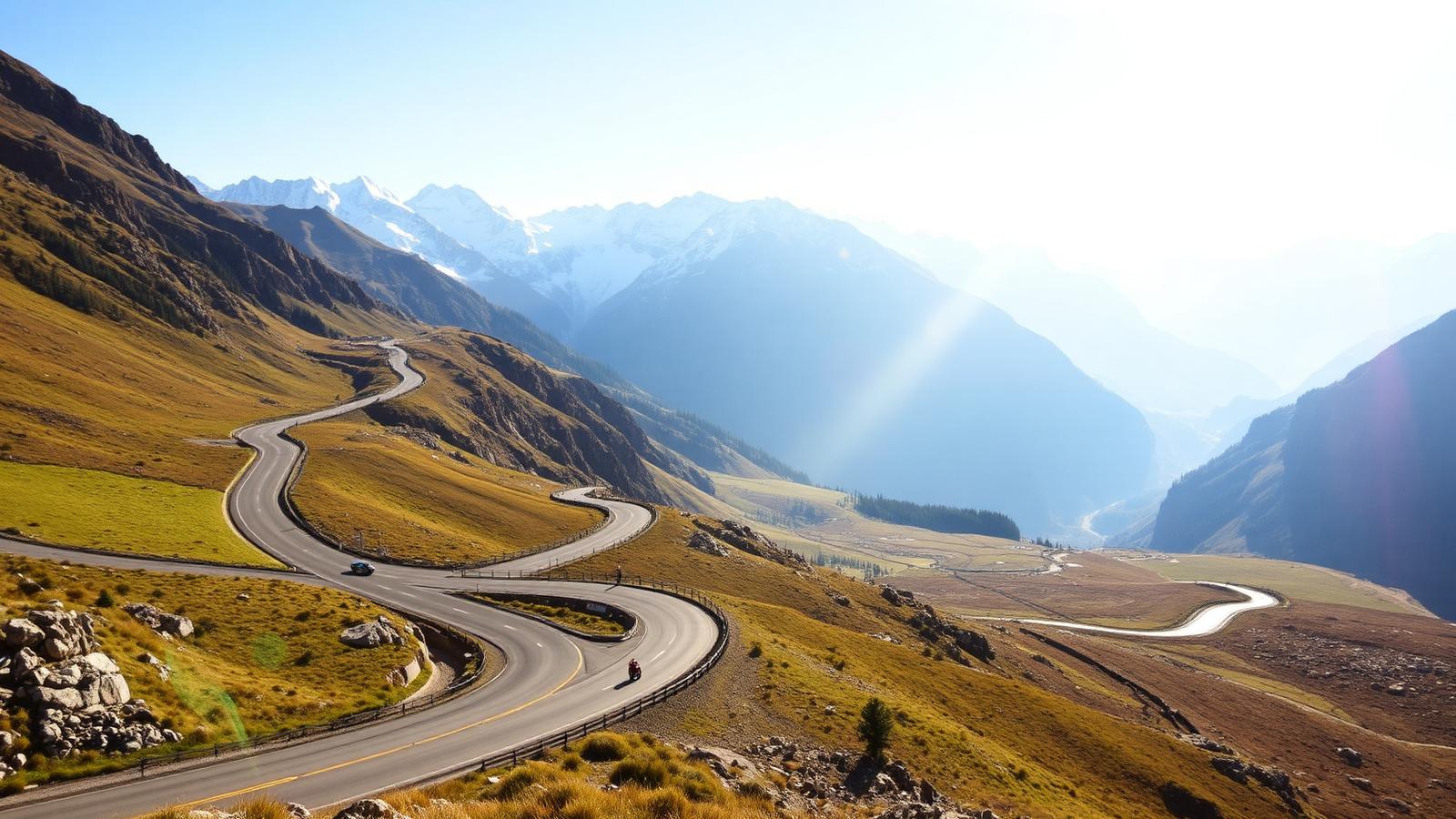
    GFNY Bento Gonçalves landscape
    Road · Fueling GuideUpdated Jul 2026

    GFNY Bento Gonçalves — Fueling Guide

    GFNY Bento Gonçalves 2026 — the Brazilian round of the global Gran Fondo New York series in the Serra Gaúcha wine country, with mass-start gran fondo racing, punchy vineyard climbs and GFNY World Championship qualification for the top 10% of every age group.

    Build Your Personalized Race Fueling Plan — $19

    Fueling challenges & strategy

    General, evidence-based guidance. Numbers should always be personalized to sweat rate, body mass, fitness and weather.

    Carbohydrate strategy

    70–100 g/hr of mixed-source carbohydrate (glucose : fructose ~1 : 0.8) for trained road riders on the Gran Fondo. Punchy vineyard terrain rewards a stable, evenly-timed intake — trying to 'save calories' for the finish just means arriving under-fueled to the last climbing block.

    Hydration

    17–34 fl oz/hr, adjusted for late-summer heat, wind exposure and individual sweat rate. Cool morning starts trick riders into light bottle plans — drink to the clock, not to thirst, especially in the first two hours when perceived need is lowest.

    Sodium

    500–1000 mg of sodium per liter of fluid as a default. Riders with visible salt on kit belong at 800–1200 mg/L. Sodium debt on GFNY builds silently across 4–6 hours and typically shows up as cramping on the last climb, not the first.

    Caffeine

    3–6 mg/kg body mass, split between pre-start (with breakfast) and the base of the biggest mid-race climb. A 154 lb rider targeting 5 mg/kg takes ~200 mg pre-race and 150 mg mid-race. Save at least one 50–100 mg dose for the final climbing block.

    Aid station strategy

    Every stop is a bottle swap first, calorie top-up second. Rehearse a 30-second stop in training. Riders in podium contention often use a support crew at aid stations to swap pre-mixed bottles without dismounting.

    Pre-race breakfast

    1–4 g/kg carbohydrate 2–4 hours before the gun, from familiar low-fiber, low-fat foods. A 154 lb rider targets 140–280 g CHO. Oats + banana + honey, bagel + jam or arroz + mel are proven. Add 30–50 g CHO 15–30 min pre-start via a gel and sports drink.

    During-race execution

    Set a 15-minute alarm from km 0. Group racing adrenaline and mass-start intensity suppress appetite in the first hour where structure matters most. Fuel BEFORE the biggest climbs and on the flatter transitions — you cannot eat safely at threshold on a 10% pitch.

    Recovery

    Within 30–60 minutes of finishing: 1.0–1.2 g/kg carbohydrate + 0.3 g/kg protein + 150% fluid replacement with sodium. GFNY finish villages typically include post-race food — use it. The 60-minute post-race window is the single highest-return investment for how you feel the next week.

    Fueling timeline by phase

    Grams and millilitres per hour for each phase of the race. Personalize to your sweat rate, body mass and conditions.

    GFNY Bento Gonçalves Gran Fondo (~81–99 mi, 3.5–6.5 hr) — targets for a mid-pack finisher

    Phase 1 — Cool-morning rollout + mass start

    0 → first aid (~25–31 mi)·0:00 → ~1:15

    Carbs
    70–80 g/hr (start eating within 15 min despite adrenaline)
    Fluids
    14–20 fl oz/hr (cool morning masks losses — drink to the clock)
    Sodium
    500–700 mg/hr

    Caffeine: 150–200 mg 20 min pre-start (with breakfast option)

    Focus: Do NOT chase the front group. Cap effort at high Zone 2 / low Zone 3 HR. Position yourself in a comfortable group. Lock in a 15-min intake alarm from km 0 — adrenaline will suppress hunger.

    Phase 2 — Middle third + climbing bloc

    First aid to peak climbing (~31–62 mi)·~1:15 → ~3:00

    Carbs
    80–100 g/hr (bank calories before punchy climbs)
    Fluids
    17–27 fl oz/hr as afternoon sun climbs
    Sodium
    700–900 mg/hr

    Caffeine: 150 mg at the base of the biggest climb (mid-race dose)

    Focus: Fuel BEFORE punchy climbs, not on them. Sit in the group when possible, take turns when appropriate. Don't chase moves you can't hold — steady effort beats surging.

    Phase 3 — Second-half climbs + wind exposure

    Peak climbing → final aid (~62–81 mi)·~3:00 → ~5:00

    Carbs
    70–90 g/hr (liquid + gel biased — chewing at threshold gets hard)
    Fluids
    20–30 fl oz/hr (peak afternoon heat + Serra Gaúcha wind masks losses)
    Sodium
    700–1000 mg/hr (peak cumulative-loss window)

    Focus: Force calories even at reduced appetite. Every aid stop: bottle swap first, calories second, 30–60 seconds max. Save one match for the last climbing block.

    Phase 4 — Final push to Bento Gonçalves finish

    Final aid to finish (~81–99 mi)·~5:00 → finish

    Carbs
    60–80 g/hr (save one gel for the last 30 min)
    Fluids
    17–24 fl oz/hr
    Sodium
    500–700 mg/hr

    Caffeine: 50–100 mg for final push if under total cap (≤6 mg/kg)

    Focus: Ride to power / HR, not to feel. The GFNY finish rewards riders who kept a match unlit — if you paced correctly, this is your attack window. If you spent too early, ride the group that catches you.

    Phase 5 — Recovery (T+0 to T+60 min)

    Finish line to hotel·T+0 → T+60

    Carbs
    1.0–1.2 g/kg CHO within 60 min (recovery drink + fruit + solid; GFNY finish food if available)
    Fluids
    150% of body-mass loss with sodium
    Sodium
    500–1000 mg with recovery drink

    Focus: Recovery starts the moment you cross the line. Rehydrate, refuel, then think about the wine tasting. GFNY finish villages usually include post-race food — use it.

    Aid station distances and mid-race climb sequences are illustrative — confirm the exact 2026 Gran Fondo route, aid layout and final elevation profile in the current-year GFNY Bento Gonçalves athlete communications on gfnybrazil.com.br. Individual sweat rate can shift fluid and sodium targets by ±30%; personalize with a pre-race sweat test.

    What most riders get wrong

    • 01

      Under-fueling the first hour

      Chasing a fast group and forgetting to eat is the single most common GFNY mistake. Adrenaline suppresses hunger; structure fixes it — start the 15-min alarm at km 0.

    • 02

      Trying new race-day nutrition

      GFNY-scale competitive nerves plus an unfamiliar Brazilian gel is a reliable recipe for mid-race GI failure. Bring your rehearsed staples and only supplement locally.

    • 03

      Ignoring punchy-terrain glycogen load

      Serra Gaúcha short climbs feel like sprints but deplete glycogen like a long endurance day. Intake must reflect actual load — GFNY riders should sit at 80–100 g/hr, not the road-cyclist stereotype of 60 g/hr.

    • 04

      Under-drinking in wind

      Serra Gaúcha wind masks sweat losses — cooling effect makes riders 'feel' hydrated. Structured intake beats intuition. Force a full bottle before you feel thirsty.

    • 05

      Skipping the last aid

      The final 19 mi on GFNY is typically where under-fueled riders lose the most time (and where the last climbing block is). Take the last bottle even if 'you feel fine' — the deficit shows up at the base of the final climb.

    • 06

      No caffeine plan

      A single early espresso is not a strategy. Split the dose (pre-race + mid-race + a small final push if under total cap) to protect the second half of the race.

    • 07

      Chasing a group you cannot hold

      Riding above your sustainable threshold to hold a group for 30 minutes typically costs 15–20 minutes in the final third when you crack. Better to ride your steady effort and rotate with the group that comes back to you.

    • 08

      New kit / new position on race day

      GFNY nerves push riders to test new bibs, new saddle position or a fresh chamois cream. Race what you have ridden 8+ hours in the previous month — nothing new on race day.

    Download the free printable race-day fueling checklist for GFNY Bento Gonçalves

    A practical race-week checklist: carbs, hydration, sodium, caffeine and race-day supplies — print it or keep it on your phone.

    Related FuelQ resources

    Free calculators, checklists and articles to help you personalize your GFNY Bento plan.

    Related content

    Frequently asked questions

    Generic fueling plans don't work for GFNY Bento.

    Every athlete is different. FTP, finish time, body weight, sweat rate, weather, nutrition preferences and race goals all change what you should eat and drink.

    FuelQ Pro builds a personalized race fueling strategy tuned to your ride — carbohydrate, hydration, sodium, caffeine and recovery, mapped to the course.

    Start with the free checklist

    A Race Fueling Plan gives you a personalized strategy for this event. The free checklist helps you prepare the basics first: race-week setup, 48-hour prep, race morning, hydration, sodium, caffeine, aid stations, and backup calories.