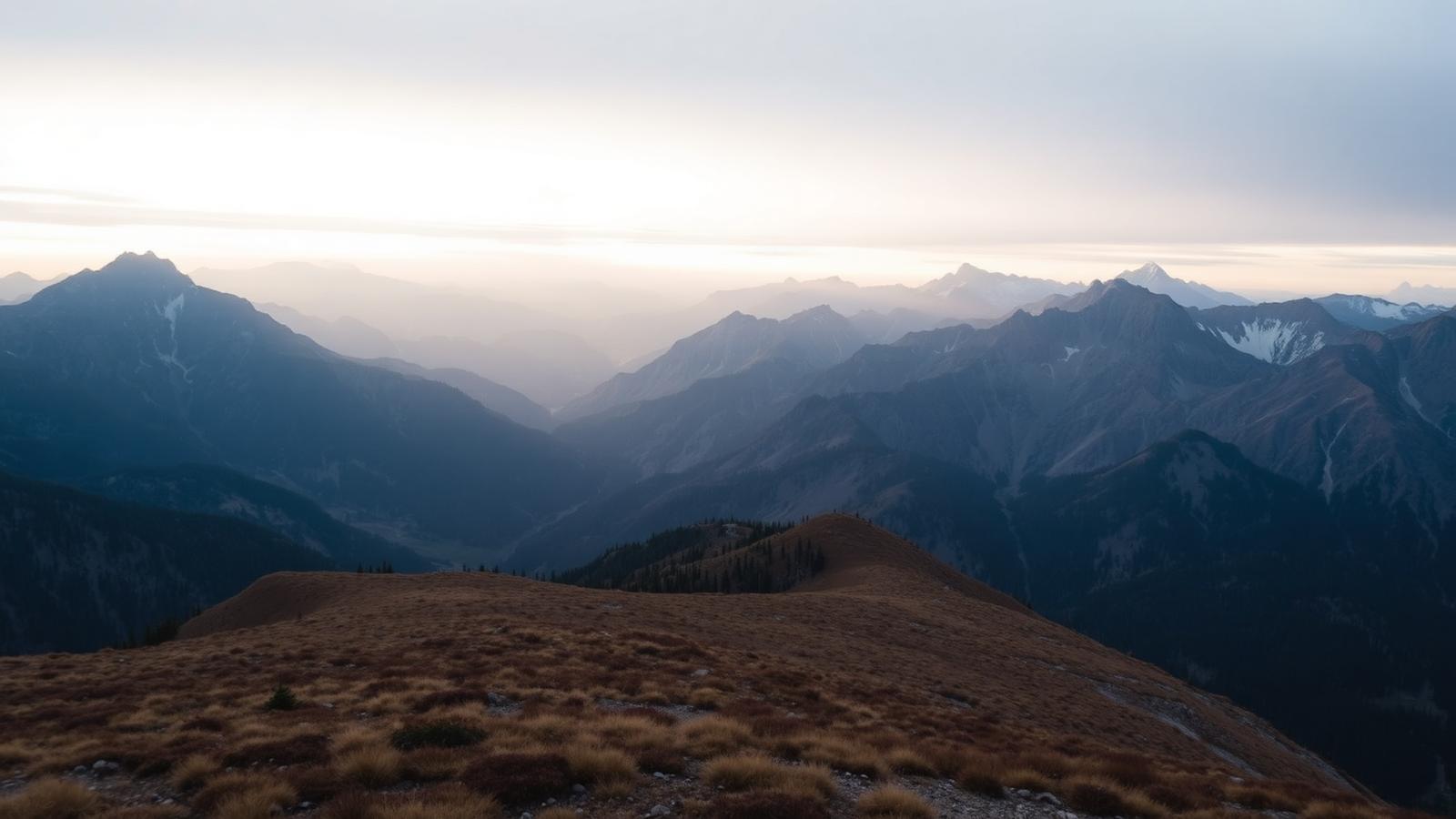
The Life Time Leadville MTB Stage Race splits the iconic 100-mile LT100 MTB course into three consecutive days — Stage 1 out to Twin Lakes (40 mi), Stage 2 up and down Columbine Mine (22 mi), and Stage 3 back into Leadville (41 mi). A sub-11-hour cumulative time earns official finisher status, and finishers are entered into the LT100 MTB qualifier coin drawing. It's Leadville's altitude, terrain and weather — with the added challenge of executing back-to-back fueling and recovery.
Distance
≈ 103 miles across 3 stages — 40 mi / 22 mi / 41 mi
Elevation
Low 9,209 ft at Twin Lakes Dam · High 12,497 ft at Columbine Mine
Typical duration
Cumulative sub-11 h required for official stage-race finisher status
Location
Leadville, Colorado, USA (start/finish Lake County Rodeo Grounds & Twin Lakes Dam)
Time of year
Late July — 2026: July 24 – 26
Terrain
Mountain two-track fire roads with singletrack sections, all above 9,200 ft
Download the Printable Leadville MTB Stage Race Race Guide
Get a practical planning document with the course breakdown, aid-station strategy, fueling and hydration worksheets, race-morning timeline, equipment checklist, crew notes, and space for your own plan.
All three stages live above 9,200 ft with a summit at 12,497 ft. VO₂max is suppressed 12–16 % and gastric emptying slows — and fatigue and dehydration compound day over day.
Stage 2: Columbine in 22 miles
The shortest stage is the hardest: ~11 miles up to Columbine Mine and 11 miles back down. Above tree line the effort is at or above threshold with real hypoxia — under-fueling here poisons Stage 3.
Recovery window between stages
You have ~18 hours between stage finishes. Post-stage carbs, protein and fluid replacement decide how your legs feel at the next 9:00 AM gun, not how hard you rode.
Weather swings
Starts near freezing (35–45 °F / 36–45 °F) with midday highs of 65–75 °F. Afternoon thunderstorms, hail and cold rain are realistic on any of the three days, especially on Columbine and Powerline.
Cumulative sub-11 h cutoff
Official finisher status and the LT100 qualifier coin drawing require sub-11 h total. Any single blow-up stage — GI failure, bonk, mechanical, hypothermia — ends the buckle chase.
Logistics and travel fatigue
Stage 1 finishes at Twin Lakes Dam, Stage 3 starts there. Shuttles, bike storage, drop bags and crew handoffs at 10,000 ft add mental load on top of racing.
Course profile — segment by segment
A tactical breakdown of the Leadville Stage Race course. Use this to plan pacing, fueling touchpoints and where to conserve versus commit.
Queen stage. Cap effort at threshold on the climb; fuel every 15 min.Surface: Doubletrack + technical above tree line
Stage 2 summit aid — Columbine Mine
≈11
—
Grab water + gel, layer for descent, move. Do not linger at altitude.Surface: Aid station at 12,497 ft
Stage 3 — Twin Lakes → Powerline → Rodeo Grounds
0 – 41
—
Powerline at mile ~27 decides the weekend. Force calories at the last aid.Surface: Doubletrack climbs, technical descents, fire road home
Stage 3 aid — Outward Bound
≈15.4
—
Full reset. Second caffeine dose. Bottles + gels for Powerline.Surface: Aid station
Stage 3 aid — Carter Summit
≈29.6
—
Last aid. Force 1 bottle + 60 g CHO even if you feel fine — descent is deceptive.Surface: Aid station
Aid stations & crew strategy
Every aid station along the Leadville Stage Race course, with crew access, drop-bag rules and the fueling action to execute at each stop.
S1 — Carter Summit
Mile 10
Top off 1 bottle, take 1 gel. < 60 sec.
S1 — Outward Bound
Mile 24CrewDrop bag
Full reset: bottles, 60–90 g CHO on board, layers off, 2nd caffeine. < 3 min.
S2 — Columbine Summit
Mile 11
Water + gel, layer up for descent. Do not linger at 12,497 ft.
S3 — Outward Bound
Mile 15.4CrewDrop bag
Full reset: bottles, calories, 2nd caffeine before Powerline. < 3 min.
S3 — Carter Summit
Mile 29.6
Force 1 bottle + 60 g CHO. Last-chance calories before the run home.
Fueling challenges & strategy
General, evidence-based guidance. Numbers should always be personalized to sweat rate, body mass, fitness and weather.
Carbohydrate strategy
Target 60–90 g/hr of mixed glucose:fructose (roughly 1:0.8) on all three stages. Trained guts can push 100–120 g/hr on Stages 1 and 3 (~4–5 h efforts); most riders stay at 70–90 g/hr on Stage 2 because Columbine's intensity suppresses gastric emptying.
Hydration
17–34 fl oz/hr baseline, adjusted for the day's temperature and your sweat rate. Dry Rocky Mountain air roughly doubles insensible respiratory losses vs sea level — you will finish dehydrated if you drink to thirst alone.
Sodium
400–1000 mg sodium per liter of fluid, tuned to sweat sodium concentration. Salty sweaters compound day over day: what you don't replace on Friday shows up as cramps on Sunday's Powerline climb.
Caffeine
3–6 mg/kg body weight per stage, split — e.g. one dose 30–45 min pre-start, second at the last aid before the key climb (Columbine on Stage 2, Powerline on Stage 3). Keep total daily intake under ~6 mg/kg to protect sleep between stages.
Aid station strategy
Stage 1: Carter Summit (mi 10) top-off, Outward Bound (mi 24) full reset. Stage 2: Columbine Summit (mi 11) — grab, don't linger. Stage 3: Outward Bound (mi 15.4) full reset, Carter Summit (mi 29.6) last-chance calories before the descent home.
Pre-stage breakfast
1–4 g/kg CHO 2–4 hours before each 9:00 AM start, from foods you have rehearsed — oatmeal with banana and honey, white rice with jam, a bagel with jam. Low fiber, low fat, no experiments across the weekend.
Between-stage recovery (the real edge)
Within 60 min of each finish: 1.0–1.2 g/kg CHO + 0.3–0.4 g/kg protein and 150 % of estimated fluid loss with sodium. Add a real meal within 2 hours (rice + protein + vegetables). Elevate legs, get 8+ hours of sleep, keep dinner low-fiber before Stage 3.
Execution by the clock
Set a 15-minute interval alarm on the head unit each day and treat carbs, fluid and sodium as an appointment. Perceived effort at 10,000 ft lies — the clock does not.
Carbohydrate loading for Leadville Stage Race
A structured 48–72 hour carbohydrate-loading protocol tuned for a long day at altitude. Rehearse it before a training block, not for the first time on race week.
Structure across the weekend
Full 48 h load into Stage 1, then partial daily top-ups. Aim for 8–10 g/kg CHO on Thu + Fri pre-Stage 1; 6–8 g/kg on Sat pre-Stage 2; 7–9 g/kg on Sun morning pre-Stage 3.
Low fiber, low fat
White rice, pasta, bagels, potatoes, jam, honey, sports drink. Avoid whole grains, legumes and heavy sauces for 48–72 h into Stage 1.
Hydration alongside
Each additional gram of stored glycogen carries ~3 g of water. Increased urination in the 48 h before Stage 1 is normal.
Between-stage top-up
In the 60 min post-finish window: 1.0–1.2 g/kg CHO immediately. Dinner: 2–3 g/kg CHO. Bedtime snack: 30–50 g CHO if you had a big fluid deficit.
Race-morning breakfast
1–4 g/kg CHO 2–4 h before each 9:00 AM start. Repeat the exact same meal all three days to isolate variables.
Sub-9 & sub-12 split targets
Aid-station splits for the two headline finish goals at Leadville Stage Race: the Big Buckle (sub-9) and the Silver Buckle (sub-12). Use as planning anchors, not as commitments — weather, altitude adaptation and pack dynamics all shift real splits.
Checkpoint
Sub-9 (Big Buckle)
Sub-12 (Silver Buckle)
Stage 1 finish (Twin Lakes)
3:20
4:10
Stage 2 finish (Twin Lakes)
2:00
2:35
Stage 3 — Outward Bound (mi 15.4)
1:15
1:45
Stage 3 — Carter Summit (mi 29.6)
2:40
3:30
Stage 3 finish (Rodeo Grounds)
3:40
4:15
Cumulative total
≈ 9:00
≈ 10:59
Pacing strategy
Stage 1 first 60 min
Sit in the front third but cap HR at Zone 2 upper. Ambition here costs Sunday, not Friday.
Stage 1 climbs
St. Kevin's and Sugarloaf: threshold cap. Descend fast and clean into Twin Lakes.
Stage 2 Columbine climb
Zone 3 lower slopes → threshold cap above 11,000 ft. Never redline above tree line — it will end your weekend.
Stage 2 Columbine descent
Feed and drink on the fast upper section. Focus and hands on the rough lower section.
Stage 3 Powerline
Fuel and caffeine at Outward Bound, then hike-a-bike the steeps rather than blowing up. Cap HR at threshold.
Stage 3 run home
The finish is faster than it feels. Keep drinking and fueling to the final 30 min — riders coast in dehydrated and cost themselves 5+ min.
Altitude sickness (AMS) — prevention & red flags
Evidence-based prevention and safety guidance for Leadville Stage Race. Not medical advice — discuss altitude medications and pre-existing conditions with a qualified physician.
Acclimatization windows
Best options: arrive 5–7+ days early, or 14–21+ days for meaningful hematological adaptation. Worst option: arrive 2–4 days before Stage 1 — this is when AMS peaks. If limited to a short trip, arrive within 24 hours of Stage 1.
AMS symptoms to know
Headache, nausea, poor sleep, loss of appetite, dizziness. Mild AMS is common above 8,200 ft; typically resolves in 24–48 h with hydration, rest and NSAIDs (informational — discuss with your physician).
Red flags — pull out
Confusion, ataxia (unable to walk heel-to-toe), extreme shortness of breath at rest, coughing frothy sputum. These suggest HACE/HAPE — descend immediately and seek medical care.
Hydration and sleep
Increase fluid by ~34 fl oz/day above sea-level baseline. Sleep quality often drops the first 2–3 nights — expect it and avoid alcohol until after Stage 3.
Iron status
Ferritin under 40 ng/mL blunts altitude performance and recovery. Test 8–12 weeks out; supplement with your physician if needed.
Equipment & bike setup
Bike
XC hardtail or 100 mm full-suspension. Reliability > weight — this bike races three days back to back.
Tires
2.25–2.4 in tubeless with reinforced casing (EXO+, Grid, Endurance).
Pressure
20–26 psi front / 22–28 psi rear, tuned to rider weight. Recheck every morning — cold nights shift PSI.
Gearing
1x12 with a 30–32 T ring and 10–52 T cassette lets you spin at 60–70 rpm on Columbine at altitude.
Hydration setup
One frame bottle + 51–68 fl oz pack with concentrated carb mix — 90–120 g CHO on board between aid stations.
Clothing
Arm warmers + vest + full-finger gloves for the cold start; jersey + bibs base; rain shell in the pack for Columbine and Powerline.
Spares
2× CO₂ + inflator, plugs, spare tube, quick link, spare hanger, chain lube for morning re-lube each day.
Cockpit
GPS head unit with 15-min fuel alarm; heart rate strap; power meter if you race by power.
Training for Leadville Stage Race
Volume ramp
Peak training weeks include 12–16 h of riding with two rides over 4 h, ideally back to back on weekends to simulate stage-race fatigue.
Back-to-back long rides
The single most specific training block: 4–5 h Saturday + 3–4 h Sunday for 3–5 weekends in the 8 weeks before race day.
Altitude or heat prep
Live-high or altitude tent (2–3 weeks), or heat acclimation (10–14 days of 60 min in 95 °F / 95 °F) if altitude is not accessible.
Threshold and VO₂
2×20 min at threshold and 5×5 min at VO₂max weekly through the build phase — Columbine punishes riders with no top end.
Nutrition rehearsal
Every long ride uses race-day products, timing and volumes. Train the gut to 90–120 g CHO/h over 6–8 weeks.
Descending and technical skills
Powerline and Columbine descent decide 10+ min for many riders. Practice loose, chundery descents at speed.
Iron and ferritin
Altitude performance is bounded by iron status. Test ferritin 8–12 weeks out; supplement if under 40 ng/mL (evidence-based range for endurance athletes).
Taper
10-day taper: reduce volume 40–50 %, keep intensity, add sleep. Arrive rested — the stage race compounds any pre-existing fatigue.
Race-day morning timeline
T-4 h
Wake, coffee, breakfast 1–2 g/kg CHO (oatmeal + banana + honey, or bagel + jam). 17 fl oz fluid with sodium.
T-2 h
Second small feed 30–50 g CHO (rice cake or bagel). Chamois, sunscreen, layers on.
T-90 min
Bike check: pressure, brakes, computer, pack loaded. Layer for 40 °F start.
T-45 min
Roll to start or 15-min spin. 7–10 fl oz sports drink. Restroom.
T-20 min
First caffeine dose (100–200 mg). Final layering call. Start-line queue.
T-5 min
Half a gel + sip. Breathe. Confirm HR/power start plan.
T+0
9:00 AM gun. Neutral rollout — sit in, ride patiently.
Post-finish +60 min
Recovery: 1.0–1.2 g/kg CHO + 0.3–0.4 g/kg protein + 150 % fluid replacement with sodium.
Packing list
Bike (per stage)
Race bike (serviced 2 wk out)
Fresh sealant checked before Stage 1
2 bottle cages or 1 + hydration pack
GPS head unit with fuel alarm
Chain lube for morning re-lube
Nutrition (all 3 days)
Gels/chews/mix for ~15 h of racing + 30 % buffer
3–4 caffeine doses per rider
Recovery drink + real meal for each stage finish
Breakfast foods pre-tested at altitude
Salt tabs for salty sweaters
Hydration
51–68 fl oz pack
1–2 frame bottles for concentrated carb mix
Rehearsed electrolyte mix (400–1000 mg Na⁺/L)
Spare bite valve
Reusable cup for aid stations
Clothing
3× race kit (bibs + jersey)
Arm warmers
Wind vest / rain shell
Full-finger gloves + summer gloves
Cap or buff
Warm dry layer for each finish
Weather gear
SPF 50+ sunscreen (altitude UV is brutal)
SPF lip balm
Photochromic or clear + tinted sunglasses
Rain jacket in pack for Columbine + Powerline
Tools & spares
2× CO₂ + inflator per stage
Mini pump
Plug kit
Spare tube
Multi-tool + chain breaker
Quick link
Spare hanger
Small first-aid kit
Recovery kit
Compression tights for evenings
Foam roller or lacrosse ball
Elevation setup (pillows for legs)
Sleep mask + earplugs
Blood pressure / SpO₂ monitor optional
Documents & logistics
Photo ID for packet pickup (required)
Confirmation email printout
Crew brief with times/locations for all 3 stages
Drop-bag labels (clear plastic bags, no liquids)
Shuttle time reservation confirmation
Registration & lottery
Every entry route into the Leadville Stage Race, from the annual lottery to qualifier races, coaching-program slots and charity entries.
General registration
Opens January 9, 2026. No lottery — general registration until sold out. 2026 solo entries were sold out at publication; tandem entries were still available.
Pricing (2026)
$650 solo entry · $975 tandem/team entry. Each team/tandem member registers individually and joins the team name.
Relay teams
Up to 3 riders per relay team. The rider who starts a stage must finish that stage — no in-stage switching. One rider may ride more than one stage.
Deferrals
2026 deferral deadline: July 23, 2026 at 5:00 PM (start of packet pickup). See the official deferral policy for details.
Getting there, lodging & logistics
Airports, lodging, packet pickup, parking and crew access for the Leadville Stage Race.
Airport and drive
Fly into Denver (DEN) — ~2 h drive to Leadville. Colorado Springs (COS) is ~2.5 h. Rent a mid-size SUV or wagon for bike + gear + crew.
Lodging
Book Leadville, Twin Lakes or Copper Mountain 6–9 months out — the town fills for Leadville Race Series weekends. VRBO / Airbnb dominate. Camping options at Turquoise Lake and Twin Lakes.
Packet pickup
Thursday 5:00–8:00 PM at LRS Retail (316 Harrison Ave) is strongly encouraged. Friday morning 7:00–8:30 AM at Lake County Rodeo Grounds is available but crowded. Photo ID required. Packets are not mailed.
Parking
Lake County Rodeo Grounds (231 McWethy Dr) is the primary hub. Twin Lakes Dam / County Road 25 is the Stage 1 finish and Stage 3 start. Carpool for Stage 2 — no shuttle service.
Shuttles
Stage 1: 12:00–2:00 PM back to Rodeo Grounds. Stage 3: 7:00–8:30 AM out to Twin Lakes Dam. Reserved during registration; $15/day or $25/two days if purchased at packet pickup (subject to availability). No bikes on shuttles — overnight bike storage provided at Twin Lakes.
Cell coverage
Spotty on course — SMS timing updates lag in backcountry sections. Download offline maps for crew and family tracking.
What most riders get wrong
01
Racing Stage 1 like a one-day event
40 miles feels short. Riders who bury themselves chasing time on Day 1 pay for it on Columbine and lose 20–40 min on Sunday.
02
Skipping structured recovery
Beer and burgers at the post-stage dinner are great — after you have already hit CHO, protein and fluid targets. Reverse the order and Stage 3 collapses.
03
Under-eating on Stage 2 because 'it's only 22 miles'
It is 2.5–4 hours mostly at or above threshold above 11,000 ft. Fuel it like a 4-hour ride, not a training loop.
04
New products or gear on race day
Three stages amplify GI risk. Everything — bottles, mix, gels, chamois, shoes, pack — must be identical to what you rehearsed on long altitude rides.
05
Wrong tire pressure across stages
The course rewards fast rolling but punishes thin sidewalls on the descents. 2.25–2.4 in tubeless with reinforced casing, pressure re-checked every morning.
06
Ignoring the cold start
35–45 °F at 9:00 AM with a rapid warm-up. Under-layering leads to shivering and suppressed appetite; over-layering leads to overheating and early dehydration. Arm warmers + vest + gloves is the sweet spot.
07
No crew brief
Crew and shuttle logistics differ every day (Twin Lakes finish Fri, Twin Lakes start Sun via shuttle). Print a one-pager with times, locations and drop-bag contents per stage.
08
No altitude acclimatization plan
Fly in the day before and Columbine will end your weekend. Arrive 5–7+ days early, or arrive the night before and accept the performance cost.
Race history & culture
Born from the LT100 MTB
The Stage Race splits Leadville's iconic 100-mile course into three days, opening the Race Across the Sky experience to riders who want the full course without a single 12-hour effort.
The qualifier coin
Official sub-11 h finishers enter the LT100 MTB coin drawing at Sunday's awards ceremony — one of the few non-lottery paths into the LT100 MTB.
Life Time and Kenetik era
The event is presented by Kenetik under Life Time's Leadville Race Series umbrella, alongside the LT100 MTB, LT100 Run, Silver Rush 50 and Leadville Trail Marathon.
Why generic fueling plans don't work for Leadville Stage Race
Two riders on the same start line can need very different fueling. FTP, target finish time, body mass, sweat rate, temperature, altitude adaptation, nutrition products and race goals all change the answer. A generic 60 g/hr recommendation is a starting point, not a plan.
FTP
Finish time
Body weight
Sweat rate
Weather
Products
Goals
Course
Related FuelQ resources
Free calculators, checklists and articles to help you personalize your Leadville Stage Race plan.
Download the Printable Leadville MTB Stage Race Race Guide
Get a practical planning document with the course breakdown, aid-station strategy, fueling and hydration worksheets, race-morning timeline, equipment checklist, crew notes, and space for your own plan.
Generic fueling plans don't work for Leadville Stage Race.
Every athlete is different. FTP, finish time, body weight, sweat rate, weather, nutrition preferences and race goals all change what you should eat and drink.
FuelQ Pro builds a personalized race fueling strategy tuned to your ride — carbohydrate, hydration, sodium, caffeine and recovery, mapped to the course.
A Race Fueling Plan gives you a personalized strategy for this event. The free checklist helps you prepare the basics first: race-week setup, 48-hour prep, race morning, hydration, sodium, caffeine, aid stations, and backup calories.