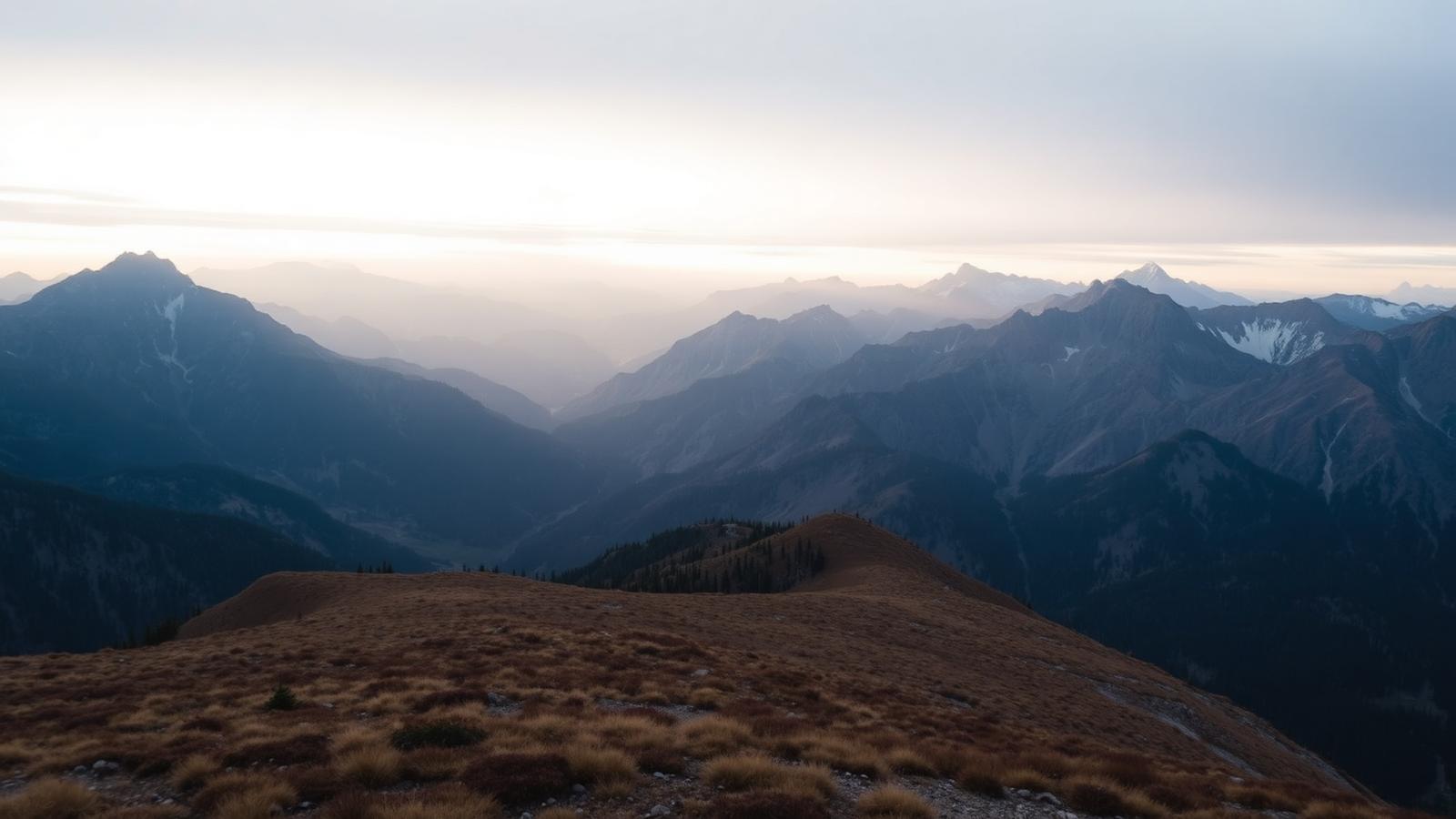
The Leadville Trail 100 MTB is a point-to-point mountain bike race held every August in Leadville, Colorado. Contested almost entirely above 10,000 feet, it is one of the most demanding endurance cycling events in North America, combining sustained climbing, thin air and rapid weather shifts.
Distance
103 miles
Elevation
≈ 12,000 ft of climbing
Typical duration
7 – 12 hours for most amateur finishers
Location
Leadville, Colorado, USA
Time of year
Second Saturday of August
Terrain
Fire roads, doubletrack and singletrack, all above 9,200 ft
Course map & elevation profile
The official Leadville 100 course, elevation profile, and route reference. Use this to plan your pacing, aid-station strategy, and fueling touchpoints.
Course details, aid stations, cutoff times, and access rules may change. Confirm the latest official race information with the Life Time Leadville Race Series before race day. The route link opens the RideWithGPS reference for planning only.
Download the Printable Leadville Trail 100 MTB Race Guide
Get a practical planning document with the course breakdown, aid-station strategy, fueling and hydration worksheets, race-morning timeline, equipment checklist, crew notes, and space for your own plan.
The race starts at 10,152 ft and climbs to 12,424 ft on Columbine Mine. VO₂ max is reduced by roughly 12–16% at this elevation, and gastric emptying slows, making carbohydrate intake harder to tolerate than at sea level.
Weather variability
Start temperatures near freezing are common, with midday highs in the 70s °F and a real chance of afternoon thunderstorms, hail or cold rain on the return over Columbine and Powerline.
Sustained climbing
Four major climbs — St. Kevin's, Sugarloaf, Columbine and Powerline — mean long periods at threshold or above, which suppresses appetite and increases GI risk if fueling is aggressive.
Hydration demand
Dry mountain air and elevated respiratory water loss can double insensible fluid losses. Many riders finish with a measurable body-mass deficit even when they think they drank enough.
Fatigue and pacing
The Powerline climb at mile 80 is where under-fueled riders traditionally unravel. Late-race decision-making, not fitness, decides most finishing times.
Course profile — segment by segment
A tactical breakdown of the Leadville 100 course. Use this to plan pacing, fueling touchpoints and where to conserve versus commit.
Segment
Mile
Elevation
Note
Start → St. Kevin's climb
0 – 13
≈ 1,100 ft gain
Neutral rollout through downtown Leadville. Do not chase the front group. Sit at 80–85% of your target Columbine wattage.Surface: Neutral pavement then dirt road
Sugarloaf climb & Powerline descent
13 – 27
≈ 1,700 ft gain, 1,900 ft loss
The Powerline descent is fast, rutted and blind. Ride your line, protect your rims. Do not touch a bar or gel here.Surface: Fire road / rocky descent
Pipeline → Twin Lakes outbound
27 – 40
Rolling, net downhill
The fastest section of the course. Eat, drink, refill. Enter Twin Lakes fully topped up — the next 20 miles have no crew.Surface: Doubletrack and pavement
Columbine Mine climb
40 – 50
≈ 3,200 ft gain to 12,424 ft
The queen stage. Steady effort, sip constantly, keep carbs flowing. The final 2 miles above 12,000 ft will feel disproportionately hard.Surface: Doubletrack becoming rocky singletrack
Columbine descent → Twin Lakes inbound
50 – 60
≈ 3,200 ft loss
Recover, eat, drink — but stay upright. Two-way traffic on singletrack means you will yield to climbing riders. Reach Twin Lakes ready to eat, not drained.Surface: Rocky singletrack → doubletrack
Pipeline inbound → Powerline base
60 – 79
Rolling with a long false-flat
Under-fueled riders quietly fall apart here. Force a solid feed at Pipeline. Save one caffeine dose for the base of Powerline.Surface: Doubletrack and pavement
Powerline climb
79 – 85
≈ 1,600 ft gain, pitches to 20 %+
The defining climb of the race. Most amateurs walk sections — that is fine. Small gears, steady breathing, keep sipping.Surface: Rutted fire road
Sugarloaf & St. Kevin's descents
85 – 93
Rolling with net loss
Technical fatigue is real. Loosen grip, look further ahead, take one last gel before the Boulevard.Surface: Fire road
The Boulevard → finish
93 – 103
≈ 400 ft gain to 10,152 ft
A deceptive false-flat climb into town. Ride to power or HR, not to feel. Red carpet finish on 6th Street.Surface: Dirt road → pavement
Aid stations & crew strategy
Every aid station along the Leadville 100 course, with crew access, drop-bag rules and the fueling action to execute at each stop.
Pipeline (outbound)
Mile ≈ 27· 9,200 ftCrew
Quick bottle swap and one gel. You just descended Powerline — reset your stomach with a sip of water before more carbs.
Twin Lakes (outbound)
Mile ≈ 40· 9,200 ftCrewDrop bag
The most important stop of the day. Two full bottles, extra gels/chews for Columbine (add 20 min buffer), sunscreen, second caffeine dose staged.
Columbine Turnaround
Mile ≈ 50· 12,424 ft
Neutral water and basic calories only. Take one bottle if you need it, drink a few ounces before descending, do not linger.
Twin Lakes (inbound)
Mile ≈ 60· 9,200 ftCrewDrop bag
Refill everything. Eat one solid item you actually crave (rice ball, half sandwich). Shed morning layers. Confirm cutoff margin.
Pipeline (inbound)
Mile ≈ 73· 9,200 ftCrew
Force one full bottle and 60 g of carbs here even if you feel fine. This is where the wheels come off between here and Powerline.
Carter Summit / Powerline area
Mile ≈ 80· ≈ 10,600 ft
Neutral aid only. Take a final caffeine dose (50–100 mg) and top off water for the Powerline climb and Sugarloaf descent.
Fueling challenges & strategy
General, evidence-based guidance. Numbers should always be personalized to sweat rate, body mass, fitness and weather.
Carbohydrate strategy
Endurance research supports 60–90 g/hr of mixed-source carbohydrate (glucose + fructose) for events over 3 hours, with trained athletes tolerating up to 120 g/hr when the gut has been trained. At Leadville's altitude, most riders start conservative and build intake through the first two hours.
Hydration
Baseline fluid needs typically range 17–34 fl oz/hr, adjusted for temperature, altitude and individual sweat rate. Splitting intake between plain water and a carbohydrate-electrolyte mix reduces flavor fatigue on long climbs.
Sodium
Sodium losses vary widely (300–1500 mg/L of sweat). At altitude, cumulative sodium deficit contributes to cramping and cognitive fog. A structured plan pairs sodium with fluid rather than dosing at random.
Caffeine
3–6 mg/kg body mass, split across the race, is the evidence-based range. Many riders take a first dose 30–45 minutes before the start and a second before the Powerline climb.
Aid station strategy
Twin Lakes (outbound and inbound) is the most important stop. Pre-plan bottle swaps, calorie top-ups and any solid food. Time lost fumbling in aid is time you never recover.
Pre-race breakfast
1–4 g/kg carbohydrate 2–4 hours before the start, from foods you have rehearsed. Avoid high fiber, high fat and anything novel on race morning.
During-race execution
Fuel by the clock, not by feel. At altitude, thirst and hunger cues are unreliable. A structured 15- or 20-minute interval keeps intake consistent across the full 8–12 hours.
Recovery
Within 60 minutes: 1.0–1.2 g/kg carbohydrate plus 0.3 g/kg protein, and enough fluid to replace 150% of body-mass losses. Recovery starts the clock on your next event.
Carbohydrate loading for Leadville 100
A structured 48–72 hour carbohydrate-loading protocol tuned for a long day at altitude. Rehearse it before a training block, not for the first time on race week.
48–72 hours out
Target 8–10 g/kg body mass per day of carbohydrate from familiar low-fiber sources: rice, pasta, potato, bread, sports drinks, honey. A 154 lb rider aims for 560–700 g CHO/day. Reduce fat and fiber to protect the gut on race morning.
Protein & fat
Keep protein moderate (1.2–1.6 g/kg/day). Reduce fat to ~0.5–0.8 g/kg/day. This is not the week for burgers, cheese boards or heavy dressings — they slow gastric emptying and displace glycogen.
Hydration & sodium
Drink to pale-yellow urine, add 500–1000 mg sodium per liter of fluid on the two days before the race. Plasma volume expansion supports thermoregulation at altitude.
Race morning
1–4 g/kg CHO 2–4 hours before the gun, from foods rehearsed in training. Oatmeal + banana + honey, bagel + jam, or a rice bowl are proven. Avoid anything new, greasy or high-fiber.
Common carb-load mistakes
Doubling normal calories (you should mostly displace fat, not add on top), eating unfamiliar foods, over-drinking without sodium, or skipping carb load entirely because 'you feel heavy'. Rehearse the protocol on a long-ride weekend beforehand.
Sub-9 & sub-12 split targets
Aid-station splits for the two headline finish goals at Leadville 100: the Big Buckle (sub-9) and the Silver Buckle (sub-12). Use as planning anchors, not as commitments — weather, altitude adaptation and pack dynamics all shift real splits.
Checkpoint
Sub-9 (Big Buckle)
Sub-12 (Silver Buckle)
Pipeline (out) ≈ mile 27
1h 45min – 1h 55min
2h 20min – 2h 45min
Twin Lakes (out) ≈ mile 40
2h 40min – 2h 55min
3h 40min – 4h 10min
Columbine Turnaround ≈ mile 50
4h 15min – 4h 40min
5h 30min – 6h 20min
Twin Lakes (in) ≈ mile 60
5h 30min – 5h 55min
7h 10min – 8h 00min
Pipeline (in) ≈ mile 73
6h 40min – 7h 05min
8h 40min – 9h 40min
Powerline base ≈ mile 79
7h 15min – 7h 40min
9h 20min – 10h 20min
Finish (103 miles)
≤ 9h 00min (Big Buckle)
≤ 12h 00min (Silver Buckle)
Pacing strategy
First 60 minutes
Ride 10–15% below the effort you feel capable of. Cap at ~80% of your altitude-adjusted FTP or high Zone 2 HR. The Boulevard rollout hides how hard everyone is going.
St. Kevin's & Sugarloaf
Steady tempo. If a group surges past you, let them go — you will see most of them again on Powerline inbound.
Columbine climb
Target 75–82% of altitude-adjusted FTP or the top of Zone 2 HR. Above 12,000 ft, expect power to drop 5–10% for the same perceived effort — that is normal.
Descents
Ride within your skills. A crash or flat costs 5–20 minutes; 30 seconds saved through a rutted turn does not.
Powerline climb
Small gears, low cadence if needed, keep sipping. Walking short 20 %+ pitches can be faster and cheaper than grinding at 40 rpm.
The Boulevard
Pace by HR or power to the finish — the false-flat looks flatter than it is. Save 10 seconds per mile in the head and you save minutes on the clock.
Altitude sickness (AMS) — prevention & red flags
Evidence-based prevention and safety guidance for Leadville 100. Not medical advice — discuss altitude medications and pre-existing conditions with a qualified physician.
What AMS looks like
Acute Mountain Sickness (AMS) presents as headache, nausea, fatigue, disturbed sleep and loss of appetite above 8,000 ft. Most riders experience mild symptoms in the first 48 hours at Leadville. Severe symptoms — confusion, ataxia, breathlessness at rest — require immediate descent and medical care.
Prevention timing
Two evidence-based strategies work: arrive 10–14 days early and let your body adapt, OR arrive within 24 hours of the start so the acute response has not yet peaked. The 3–7 day window is the worst — you are past the honeymoon and not yet adapted.
Hydration & alcohol
Dry, thin air doubles insensible fluid loss. Drink 101–135 fl oz per day of race week with sodium, and avoid alcohol entirely for the final 72 hours. Alcohol worsens sleep, dehydrates, and slows adaptation.
Acetazolamide (Diamox)
A prescription carbonic-anhydrase inhibitor that speeds acclimatization. Typical protocol: 125 mg twice daily starting 24 hours before ascent and continuing 2–3 days at altitude. Discuss with a physician; side effects include tingling extremities and altered taste. Not a substitute for time at altitude.
Iron status
Low ferritin (<40 ng/mL) blunts the altitude erythropoietic response. Test 10–12 weeks out so there is time to correct with diet or supplementation. Iron is one of the highest-leverage interventions for sea-level athletes.
When to stop
Ataxia, confusion, or breathlessness at rest are red-flag symptoms for HAPE/HACE. Descend immediately and seek medical evaluation. A finisher's medal is not worth pulmonary or cerebral edema.
Equipment & bike setup
Bike choice
Modern XC hardtails and 100 mm short-travel full-suspension bikes both win Leadville. Hardtails are lighter and faster on the smooth climbs; full-suspension protects you on Powerline and Sugarloaf and preserves late-race power. Ride the platform you have trained on.
Tire width & casing
Most riders run 2.2–2.4" tubeless tires with a reinforced casing (EXO+ / Trail / Race Guard). File-tread or fast-rolling XC treads work well on the mostly fire-road course; avoid slow, aggressive DH treads.
Tire pressure
As a starting point for a 154–176 lb rider on 30 mm internal rims: 18–22 psi front, 20–24 psi rear. Add 1–2 psi for heavier riders or narrower rims. Always dial pressure at altitude in training — the same setup feels different at 10,000 ft.
Gearing
A 32t or 34t front chainring paired with a 12-speed 10–52t (SRAM) or 10–51t (Shimano) cassette gives most amateurs a bail-out for Columbine and Powerline. Elite riders often go 34–36t front.
Brakes
Four-piston brakes with 180 mm rotors front and 160–180 mm rear are ideal for the sustained Columbine and Powerline descents. Fit fresh pads race week and bed them in.
Dropper post
For most amateur finishers a 100–150 mm dropper is worth the small weight penalty on the rutted Powerline and Sugarloaf descents. Front-of-pack racers weigh the trade-off individually.
Hydration setup
Two large bottle cages plus a 51 fl oz hydration pack is the most common setup. A pack keeps sipping automatic on descents where bottles are impractical. Some elite riders skip the pack and rely on bottles + aid.
Spares & repair kit
Minimum: 2× CO2 + inflator, tire plug kit, mini pump, tubeless-ready spare tube, tire lever, chain quick link, multi-tool with chain breaker, and a spare derailleur hanger. Zip-tie a valve core tool to your frame.
Training for Leadville 100
Building your Leadville Trail 100 MTB training plan
A realistic Leadville 100 MTB training plan runs 16–24 weeks and builds three things in parallel: aerobic volume, threshold power, and altitude readiness. Most amateurs who finish under the 12-hour cutoff arrive at race week with a 12–16 hour peak, a longest ride of 5–7 hours with 6,000+ ft of climbing, and either 3–4 weeks of altitude camp or a fast-arrival strategy. The bullets below are what actually works — not what looks impressive on Strava.
Volume ramp
Most successful amateurs build to 12–16 hours per week for 8–12 weeks before race week, with the final long ride 3 weeks out and a proper 2-week taper.
Long rides
Progress long rides toward 5–7 hours with 6,000–10,000 ft of climbing, ideally on similar terrain and, in the final 6 weeks, at moderate altitude.
Altitude preparation
Best case: 3–4 weeks at Leadville-like altitude before the race. Alternatives: an altitude tent, a training camp 4–6 weeks out, or arriving within 24 hours of the start to minimize the acute-response window.
Threshold & VO₂
Include weekly threshold intervals (2× 20 min or 4× 10 min at 90–100% FTP) and one VO₂ block (5–6× 3 min) for 6–8 weeks. Aerobic fitness above threshold is what makes altitude survivable.
Climbing-specific work
Prescribe at least one sustained climb per week of 30–60 minutes at threshold. If you cannot find one, use a smart trainer with an incline profile.
Descending skills
Rutted fire-road descending at 30+ mph is a skill. Dedicate one session every 2 weeks to fast descending on similar terrain — cornering, braking, line choice.
Nutrition rehearsal
Every long ride is a fueling rehearsal. Hit 60–90 g/hr of carbohydrate on 4-hour rides and 90–120 g/hr on your longest rides to train the gut.
Heat & iron
10–14 days of heat exposure late in the build expands plasma volume, which helps at altitude. Test ferritin 10–12 weeks out — below ~40 ng/mL blunts altitude adaptation.
Race-day morning timeline
T-4 h (≈ 2:30 AM)
Wake, coffee, first breakfast (1–2 g/kg CHO): oatmeal, banana, honey. Hydrate 17 fl oz with sodium.
T-2 h (≈ 4:30 AM)
Second small feed (~50 g CHO) — bagel, jam, sports drink. Chamois cream, sunscreen, kit on.
T-90 min
Bike check — pressure, brakes, computer, lights (start is dark), bottles in car. Layer up for 35 °F.
T-45 min
Ride to corral or short spin. Sip 7–10 fl oz of sports drink. Restroom.
T-20 min
In corral. First caffeine dose (100–200 mg gel or gum). Final layering call.
T-5 min
Half a gel. Breathe. Confirm HR/power start plan with yourself.
T+0
Gun. Neutral rollout — ride patiently to the base of St. Kevin's.
Sunglasses (clear or photochromic for shaded singletrack)
Tools & spares
2× CO2 + inflator
Mini pump
Tire plug kit
Spare tube
Multi-tool with chain breaker
Chain quick link
Spare derailleur hanger
Documents & logistics
Athlete Guide printout
Race number + timing chip
Photo ID
Crew brief (printed): what to hand up at Pipeline and Twin Lakes
Registration & lottery
Every entry route into the Leadville 100, from the annual lottery to qualifier races, coaching-program slots and charity entries.
Lottery
The primary entry route. The lottery typically opens mid-October and closes in late November. Odds usually run 20–35% depending on year and category. Lottery losers are refunded the entry fee.
Leadville Qualifier Series
Top finishers at qualifier events (Silver Rush 50, Austin Rattler, Marji Gesick, Tatanka, Wilmington, Barn Burner and others) earn guaranteed entry. Slot depth varies by race and category — read each event's Athlete Guide.
Coaching-program slots
Carmichael Training Systems, HPT, Athletic Mentors and other coaching programs hold guaranteed slots bundled with a coaching package. Cost runs $2,000–$4,000+ and includes training support alongside the entry.
Charity slots
The First Descents partnership and other charity organizations offer entries in exchange for fundraising commitments (usually $2,500–$5,000). A meaningful path for riders who missed the lottery.
Auto-entry
Previous Big Buckle (sub-9) finishers, top age-group finishers from the prior year and select professional athletes receive automatic entry. Confirm current-year criteria in the official Athlete Guide.
Entry fee
Recent editions have been approximately $475 USD, plus a non-refundable lottery application fee. Coaching-program and charity routes cost more but include guaranteed entry.
Getting there, lodging & logistics
Airports, lodging, packet pickup, parking and crew access for the Leadville 100.
Getting there
Denver International (DEN) is the primary airport — 2h 15min by car via I-70 west. Colorado Springs (COS) is 2h 45min. Eagle County Regional (EGE) is 90 minutes and closer but has fewer flights. Rent a car; there is no shuttle service to Leadville.
Lodging in Leadville
Downtown Leadville has limited hotels, B&Bs and short-term rentals that book 6–12 months in advance. Advantage: you sleep at 10,152 ft for full acclimatization and are 5 minutes from the start line.
Lodging alternatives
Copper Mountain (25 min, ~9,700 ft), Frisco (35 min, ~9,100 ft), Vail (45 min, ~8,150 ft) and Buena Vista (35 min, ~7,965 ft) are common fall-backs. Sleeping at 9,000+ ft aids acclimatization; sleeping in Vail or lower undoes some of it.
Packet pickup & bike inspection
Held Wednesday and Thursday of race week at the Leadville Race Series headquarters on Harrison Avenue. Mandatory medical check-in and bike inspection. Missing either invalidates your entry — plan to arrive by Wednesday evening.
Parking & start line
Race starts on 6th Street in downtown Leadville at 6:30 AM. Neighborhood parking fills by 5:30 AM. Ride 10–15 minutes from your lodging if possible, or drop your rider and have crew park further out.
Finish line
The finish is the iconic red-carpet uphill on 6th Street, same location as the start. Finish photography, medical, and food tent are on-site. Recovery meal usually within 60 minutes of finishing.
Crew logistics
Crew access is allowed at Pipeline and Twin Lakes only. Twin Lakes is chaotic — arrive 90 minutes before the fastest projected split, park at the designated crew lot, and walk in. Print a crew brief with exact bottle/gel/layer handoffs.
Weather contingency
The race runs in nearly any weather — hail and lightning have delayed but rarely cancelled it. Pack a warm layer for crew at Twin Lakes: they stand outside for 4–8 hours between passes.
What most riders get wrong
01
Starting fueling too late
Waiting until St. Kevin's to eat means the first hour of hard climbing burns muscle glycogen you cannot replace.
02
Underestimating altitude hydration
Ventilation-driven water loss is invisible. Riders often reach Twin Lakes already 2–3% dehydrated.
03
Overeating solid food early
Bars and sandwiches feel comforting at 8 AM and punishing on Columbine at 11 AM. Keep early-race food easy to digest.
04
Ignoring temperature swings
A cold start justifies extra layers, but overdressing accelerates dehydration by the middle miles.
05
Never practicing race nutrition
Products, timing and volumes must be trained in long rides at altitude or in heat before race day.
06
Waiting until thirsty
Thirst lags actual fluid deficit by 1–2%. Structured drinking beats reactive drinking every time.
07
Skipping the iron / ferritin check
Low ferritin blunts altitude adaptation. Test 10–12 weeks out so there is time to correct it before race week.
08
New tires or new pressure on race day
Leadville is not the day to test a new casing or a 2 psi experiment. Race what you have raced in training.
09
Neglecting descending skills
Powerline, Sugarloaf and St. Kevin's descend fast and loose. Riders who cannot recover on descents pay for it on the next climb.
10
No written crew brief
Twin Lakes is chaos. If your crew does not know exactly which bottle, gel or shell to hand up, you will lose 3–5 minutes there twice.
Race history & culture
Origin
The Leadville Trail 100 MTB was founded in 1994 by Ken Chlouber and Merilee Maupin as a fundraiser to revive the town of Leadville after the Climax molybdenum mine closed. The original 100-mile foot race predates the MTB event by 11 years.
Iconic moments
Lance Armstrong won in 2009. Christoph Sauser (2011), Todd Wells (2010, 2013, 2014), Alban Lakata, and Howard Grotts have won multiple editions. Rebecca Rusch won four consecutive women's titles (2009–2012). The Lifetime Grand Prix has raised the elite field depth every year since 2022.
Course evolution
The course has been remarkably stable since the late 1990s. Minor reroutes around private-land conflicts and the Powerline erosion have refined the loop, but the Columbine out-and-back remains the defining feature.
Cultural weight
Finishers earn a belt buckle — Silver for sub-12 and Big Buckle (gold) for sub-9. The 'Race Across the Sky' name and Leadville's mining heritage give the event a distinct character that persists even as production has scaled with Lifetime's ownership.
Why generic fueling plans don't work for Leadville 100
Two riders on the same start line can need very different fueling. FTP, target finish time, body mass, sweat rate, temperature, altitude adaptation, nutrition products and race goals all change the answer. A generic 60 g/hr recommendation is a starting point, not a plan.
FTP
Finish time
Body weight
Sweat rate
Weather
Products
Goals
Course
Related FuelQ resources
Free calculators, checklists and articles to help you personalize your Leadville 100 plan.
Download the Printable Leadville Trail 100 MTB Race Guide
Get a practical planning document with the course breakdown, aid-station strategy, fueling and hydration worksheets, race-morning timeline, equipment checklist, crew notes, and space for your own plan.
A Race Fueling Plan gives you a personalized strategy for this event. The free checklist helps you prepare the basics first: race-week setup, 48-hour prep, race morning, hydration, sodium, caffeine, aid stations, and backup calories.