Pre-race breakfast
1–4 g/kg carbohydrate 2–4 hours pre-start, low fiber and low fat — oatmeal with honey and banana, bagel with jam, or a rice bowl. Add 30–50 g CHO 20 min before the start via a gel and sports drink.
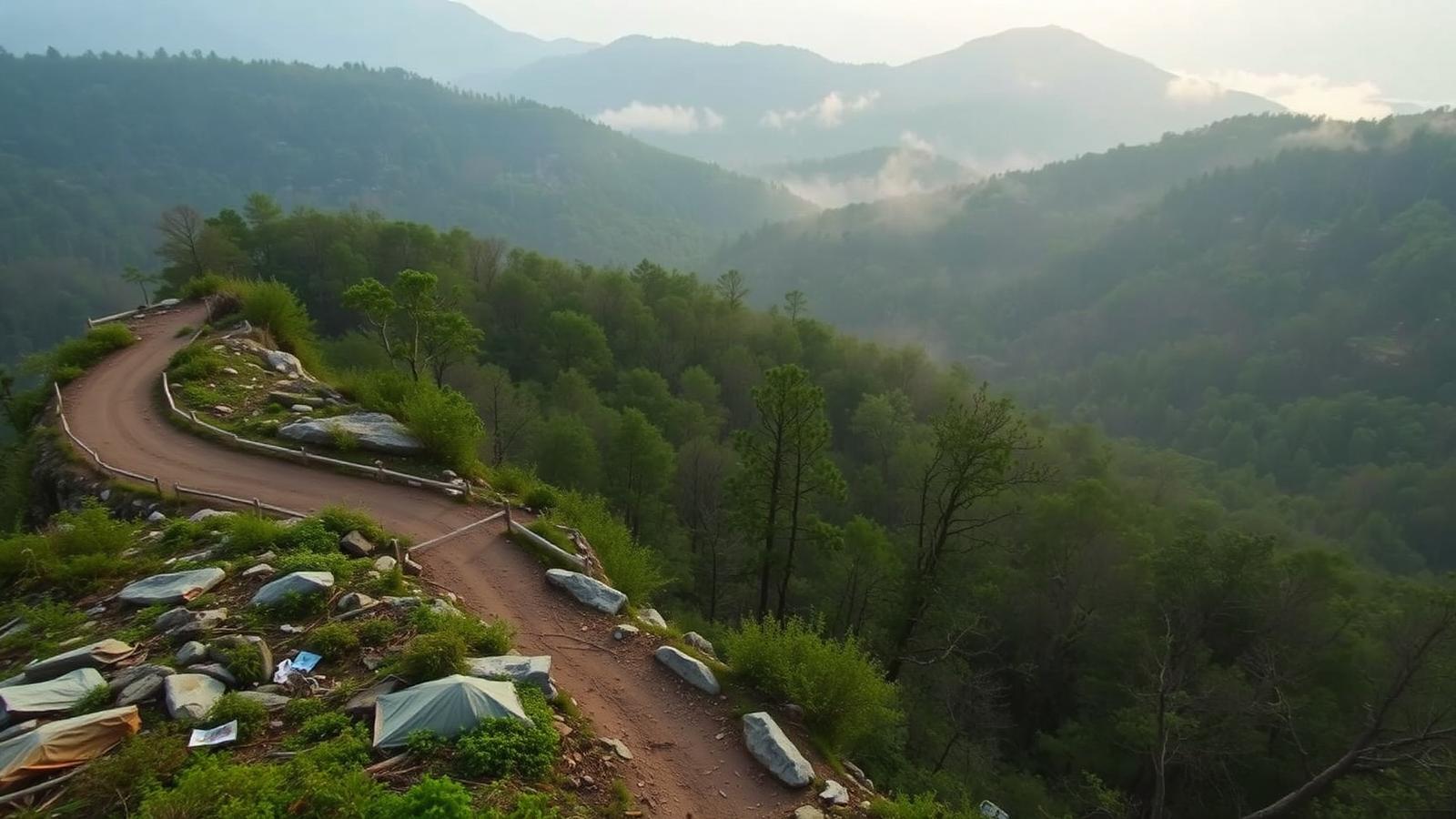
The MTB companion to Big Sugar. Fast, flowing Ozark singletrack with relentless punchy climbing.
Build Your Personalized Race Fueling Plan — $19Three windows shape every endurance result: what you eat in the hours before the start, what you take in on the bike, and how you recover once you cross the line.
1–4 g/kg carbohydrate 2–4 hours pre-start, low fiber and low fat — oatmeal with honey and banana, bagel with jam, or a rice bowl. Add 30–50 g CHO 20 min before the start via a gel and sports drink.
Fuel by the clock and by opportunity: whenever the trail opens, sip and chew. Never force intake in a rock garden. Set a 15-minute alarm on your head unit; treat it as an appointment, not a suggestion.
1.0–1.2 g/kg carbohydrate and 0.3 g/kg protein within 60 minutes, plus 150% fluid replacement. Critical if you plan to race Big Sugar Gravel the following weekend — under-recovery here is the #1 predictor of a bad Big Sugar.
| T-4 h | Wake, coffee, first breakfast (1–2 g/kg CHO): oatmeal with banana and honey, or a bagel with jam. Hydrate 17 fl oz (17 fl oz) with sodium. |
|---|---|
| T-2 h | Second small feed (~40 g CHO): bagel + jam or a rice cake. Chamois cream, sunscreen, kit on. |
| T-90 min | Bike check — pressure, brakes, dropper, computer, bottles and pack loaded. Layer up for the 45 °F start. |
| T-45 min | Ride to start or short 15-min spin. Sip 7–10 fl oz (7–10 fl oz) of sports drink. Restroom. |
| T-20 min | In corral. First caffeine dose (100–200 mg). Final layering call — arm warmers are fine for hour one, base layer isn't. |
| T-5 min | Half a gel with a sip of water. Breathe. Confirm HR/power start plan with yourself. |
| T+0 | Gun. Neutral rollout — sit in and ride patiently to the first singletrack. |
Get a practical planning document with the course breakdown, aid-station strategy, fueling and hydration worksheets, race-morning timeline, equipment checklist, crew notes, and space for your own plan.
Every athlete is different. FTP, finish time, body weight, sweat rate, weather, nutrition preferences and race goals all change what you should eat and drink.
FuelQ Pro builds a personalized race fueling strategy tuned to your ride — carbohydrate, hydration, sodium, caffeine and recovery, mapped to the course.
A Race Fueling Plan gives you a personalized strategy for this event. The free checklist helps you prepare the basics first: race-week setup, 48-hour prep, race morning, hydration, sodium, caffeine, aid stations, and backup calories.