Carbohydrate strategy
60–90 g/hr for most trained riders, weighted toward liquid and gel to survive the descents and short technical sectors.
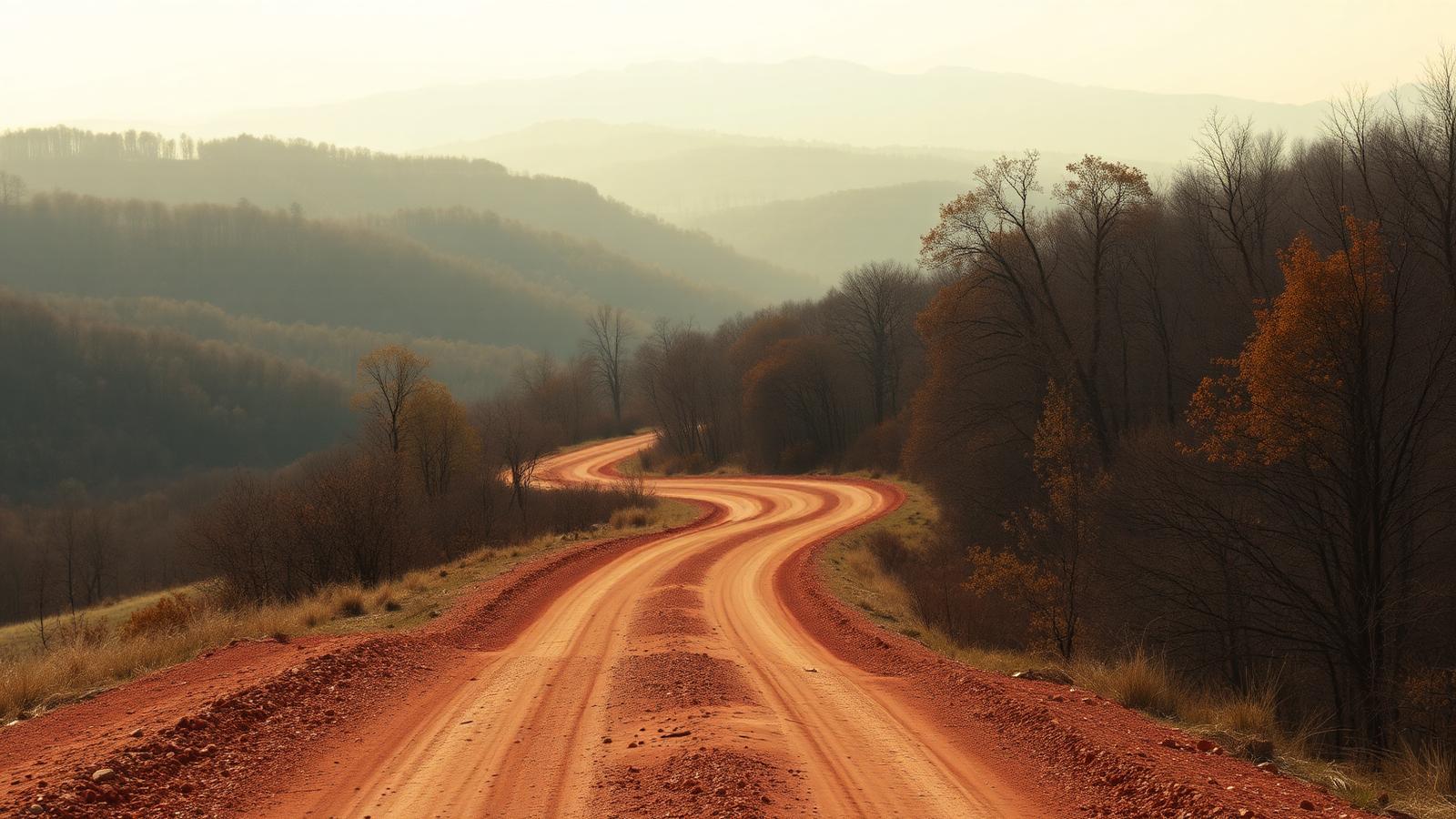
The signature Ozark gravel event. Chunky limestone, steep punchy climbs, unforgiving descents.
Build Your Personalized Race Fueling Plan — $19Big Sugar Gravel is a signature Ozark gravel race starting and finishing in Bentonville, Arkansas. It combines chunky limestone chert gravel, punchy climbs and long, high-speed descents that demand focused fueling and pacing.
Distance
≈ 106 miles for the main event
Elevation
≈ 8,000 ft of climbing
Typical duration
5.5 – 9 hours for most amateur finishers
Location
Bentonville, Arkansas, USA
Time of year
Late October
Terrain
Chunky limestone chert gravel with paved connectors
A practical race-week checklist: carbs, hydration, sodium, caffeine and race-day supplies — print it or keep it on your phone.
Big Sugar's limestone is sharp and loose. Rolling resistance is meaningfully higher than smooth Midwest gravel, driving calorie demand up for a given speed.
Repeated short, steep climbs push into VO₂ efforts. Repeated glycogen sprints deplete fuel faster than steady tempo miles.
Ozark late-October starts can be near freezing with afternoons in the 70s. Layering and cold-weather hydration compliance both matter.
High-speed descents on loose chert leave no bandwidth for fueling. Plan intake for climbs and rollers, not descents.
Aid gaps push 60+ minutes for mid-pack riders. Bottle capacity and self-sufficiency shape outcomes.
General, evidence-based guidance. Numbers should always be personalized to sweat rate, body mass, fitness and weather.
60–90 g/hr for most trained riders, weighted toward liquid and gel to survive the descents and short technical sectors.
17–34 fl oz/hr, adjusted for temperature and start-hour cold suppression of thirst.
400–1000 mg/L of fluid, tuned to sweat testing. Ozark humidity can drive sweat rates higher than the temperature suggests.
3–6 mg/kg split across the race, with a dose held for the second half to protect focus on chunky descents.
Plan every stop as a bottle swap first. Solid food only if it has been rehearsed at race pace.
1–4 g/kg carbohydrate 2–4 hours pre-start, from familiar low-fiber foods.
Alarm-based intake every 15–20 minutes. Front-load before every climb and rehearse eating one-handed on chunky terrain.
1.0–1.2 g/kg carbohydrate and 0.3 g/kg protein within 60 minutes, plus 150% fluid replacement.
Short climbs feel like sprints, not endurance efforts, and burn glycogen accordingly. Fuel like a long-day race, not a road criterium.
High-speed chert leaves no margin for one-handed riding. Time your calories to the climbs.
A 40 °F start suppresses thirst even as sweat losses on the first climb are already meaningful.
Rolling resistance on Ozark chert is higher than pavement or smooth gravel. Calorie demand scales with it.
The final 20 miles are where under-fueled riders lose 5–15 minutes to riders they were with all day.
Chunky terrain and long time-on-course amplify GI risk. Race only what you've trained.
Two riders on the same start line can need very different fueling. FTP, target finish time, body mass, sweat rate, temperature, altitude adaptation, nutrition products and race goals all change the answer. A generic 60 g/hr recommendation is a starting point, not a plan.
Free calculators, checklists and articles to help you personalize your Big Sugar plan.
A practical race-week checklist: carbs, hydration, sodium, caffeine and race-day supplies — print it or keep it on your phone.
Every athlete is different. FTP, finish time, body weight, sweat rate, weather, nutrition preferences and race goals all change what you should eat and drink.
FuelQ Pro builds a personalized race fueling strategy tuned to your ride — carbohydrate, hydration, sodium, caffeine and recovery, mapped to the course.
A Race Fueling Plan gives you a personalized strategy for this event. The free checklist helps you prepare the basics first: race-week setup, 48-hour prep, race morning, hydration, sodium, caffeine, aid stations, and backup calories.