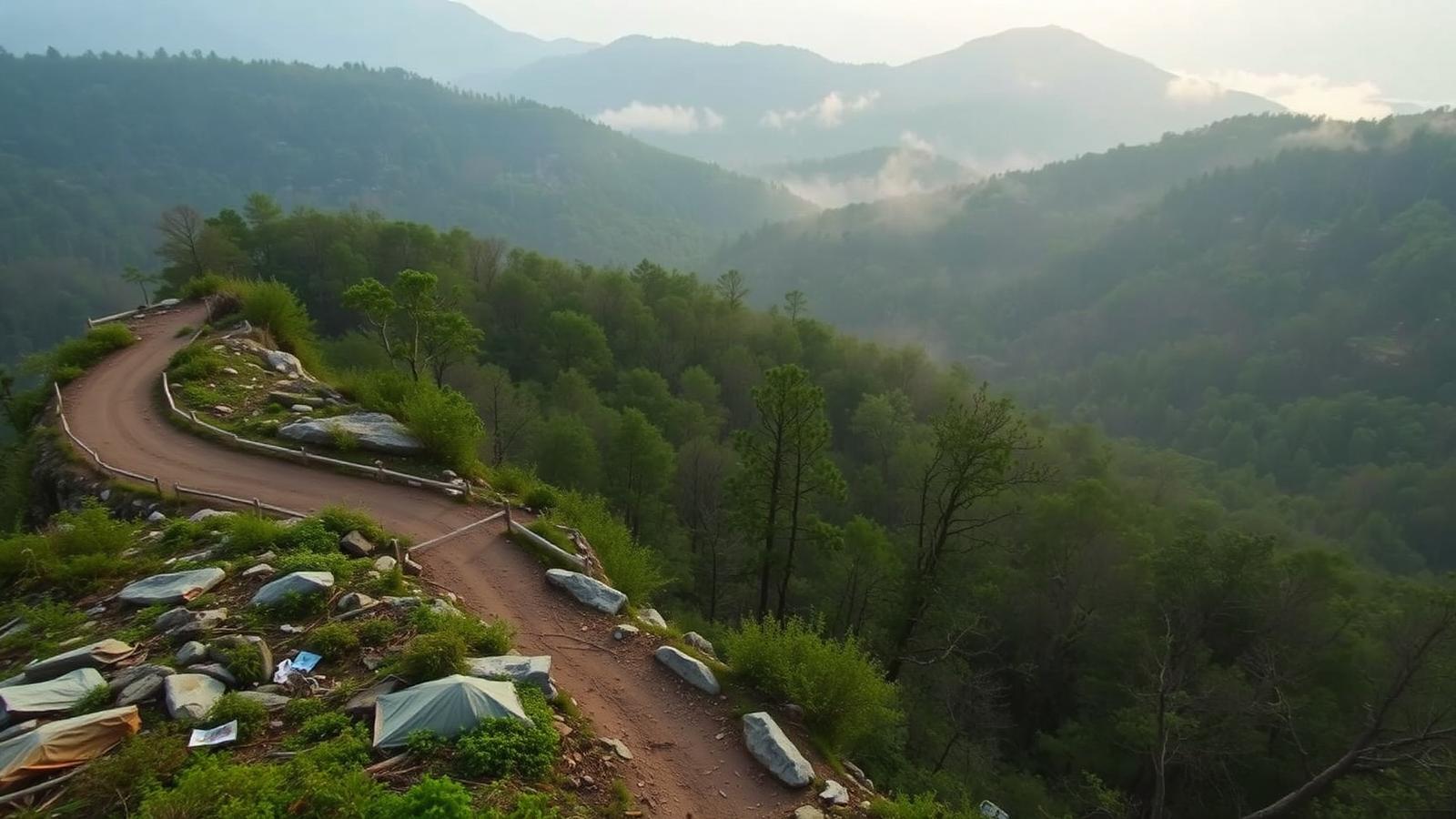
    Little Sugar MTB landscape
    MTB · Fueling Guide

    Little Sugar MTB — Fueling Guide

    The MTB companion to Big Sugar. Fast, flowing Ozark singletrack with relentless punchy climbing.

    Build Your Personalized Race Fueling Plan — $19

    Fueling challenges & strategy

    General, evidence-based guidance. Numbers should always be personalized to sweat rate, body mass, fitness and weather.

    Carbohydrate strategy

    60–90 g/hr for most trained riders on the 50-mile, delivered mostly as liquid carbohydrate and gel. Use a 1:0.8 glucose-to-fructose blend to unlock the upper end without GI distress. Train the gut to 90 g/hr on your long rides in the 6 weeks before race day.

    Hydration

    17–34 fl oz/hr (17–34 fl oz/hr), adjusted for temperature and humidity, biased slightly higher for cold-start riders who under-drink early. A quick sweat test in Bentonville-similar weather 2–4 weeks out dials the number in.

    Sodium

    400–1000 mg per liter (34 fl oz) of fluid, tuned to sweat sodium concentration. Salty sweaters (visible white marks on kit) trend higher; the humid Ozark air amplifies sodium loss even at moderate temperatures.

    Caffeine

    3–6 mg/kg body mass, split across the race with a meaningful dose held for the final 90 minutes. On a 5-hour Little Sugar: 100–200 mg pre-start, 100 mg at mid-course aid, 100–200 mg at the last aid before the final Back 40 climbs.

    Aid station strategy

    Bottle swap first, calorie top-up second, no lingering. Rehearse the sequence in training. Crew-supported riders should target < 45 seconds at each stop; solo riders should pre-plan exactly which items to grab from neutral aid.

    Pre-race breakfast

    1–4 g/kg carbohydrate 2–4 hours pre-start, low fiber and low fat — oatmeal with honey and banana, bagel with jam, or a rice bowl. Add 30–50 g CHO 20 min before the start via a gel and sports drink.

    During-race execution

    Fuel by the clock and by opportunity: whenever the trail opens, sip and chew. Never force intake in a rock garden. Set a 15-minute alarm on your head unit; treat it as an appointment, not a suggestion.

    Recovery

    1.0–1.2 g/kg carbohydrate and 0.3 g/kg protein within 60 minutes, plus 150% fluid replacement. Critical if you plan to race Big Sugar Gravel the following weekend — under-recovery here is the #1 predictor of a bad Big Sugar.

    Aid stations & crew strategy

    Every aid station along the Little Sugar course, with crew access, drop-bag rules and the fueling action to execute at each stop.

    • Aid 1 — early Slaughter Pen

      Mile ≈ 15

      Neutral aid: water, electrolyte, basic snacks. Swap one bottle, take one gel, keep moving. You are still fresh — target < 30 seconds.

    • Aid 2 — mid-course / Back 40

      Mile ≈ 30CrewDrop bag

      The most important stop. Refill both bottles / hydration pack, top up carbs for the next 90 minutes, take second caffeine dose, remove any morning layers. Target < 3 minutes.

    • Aid 3 — pre-final block

      Mile ≈ 42Crew

      Force one full bottle and 60 g of carbs here even if you feel fine. This is where the race is won or lost. Third caffeine dose if your plan calls for it.

    • Finish — Coler festival

      Mile ≈ 50Crew

      Recovery drink within 30 minutes, real meal within 60. Shade, chair, elevated legs at the festival. Critical if racing Big Sugar the following weekend.

    What most riders get wrong

    • 01

      Fueling like a road race

      Punchy singletrack burns glycogen faster than steady tempo of the same duration. Intake must reflect actual physiological load, not perceived road-equivalent hours.

    • 02

      Waiting for 'a good moment'

      There is rarely a good moment on Ozark singletrack. Take the calories you can when the trail allows — usually the short doubletrack connectors between trail systems.

    • 03

      Under-drinking early

      Cool morning + adrenaline = suppressed thirst. Deficit built in hour one shows up as cramping in hour four on the final Back 40 climbs.

    • 04

      New products on race day

      Continuous handling load amplifies GI risk. Rehearse every gel, chew, drink mix and solid on training rides that mimic race duration and terrain.

    • 05

      Skipping the last aid

      The final hour is where under-fueled riders concede time they can't earn back. Force one full bottle and one gel at the final aid even if you feel fine.

    • 06

      Over-braking on flowy sections

      Coler and Slaughter Pen reward carrying speed. Riders who over-brake burn more matches restarting the flow than they save on the corner — and burn glycogen doing it.

    • 07

      Wrong tire choice

      Ozark chert punishes thin sidewalls and under-inflated tires. A rear puncture on singletrack costs 5–15 minutes; a torn sidewall can end your race.

    • 08

      Ignoring recovery for Big Sugar

      Riders doubling up on Little Sugar and Big Sugar Gravel who skip Saturday-afternoon recovery nutrition consistently under-perform at Big Sugar. The recovery window is the first race lap of the following weekend.

    Download the Printable Little Sugar MTB Race Guide

    Get a practical planning document with the course breakdown, aid-station strategy, fueling and hydration worksheets, race-morning timeline, equipment checklist, crew notes, and space for your own plan.

    Related FuelQ resources

    Free calculators, checklists and articles to help you personalize your Little Sugar plan.

    Related content

    Frequently asked questions

    Generic fueling plans don't work for Little Sugar.

    Every athlete is different. FTP, finish time, body weight, sweat rate, weather, nutrition preferences and race goals all change what you should eat and drink.

    FuelQ Pro builds a personalized race fueling strategy tuned to your ride — carbohydrate, hydration, sodium, caffeine and recovery, mapped to the course.

    Start with the free checklist

    A Race Fueling Plan gives you a personalized strategy for this event. The free checklist helps you prepare the basics first: race-week setup, 48-hour prep, race morning, hydration, sodium, caffeine, aid stations, and backup calories.
