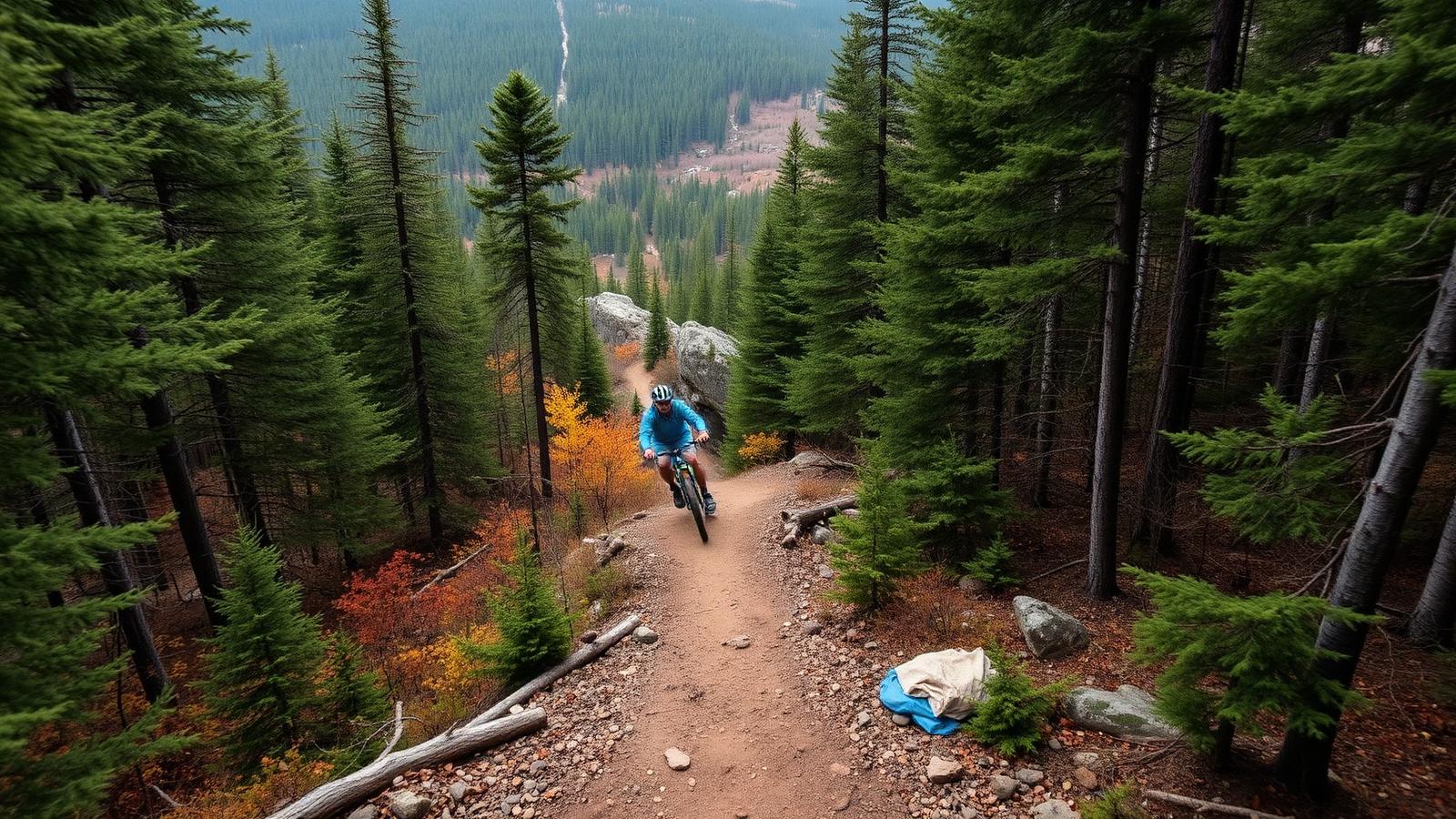
The Marji Gesick 100 is a point-to-point mountain bike race across Michigan's Upper Peninsula, from Marquette to Ishpeming on the Iron Ore Heritage and Noquemanon Trail Network. Famous for a finisher rate that often sits below 50%, riders face exposed granite, rooted singletrack, hike-a-bike climbs and a 12-hour buckle cutoff on top of the 25-hour finish cutoff.
Distance
≈ 100 miles point-to-point
Elevation
≈ 12,000 ft of climbing
Typical duration
12 – 25 hours for most amateur finishers (sub-12 earns the buckle)
This is the 2025 Marji Gesick 100 route on RideWithGPS. The course varies year to year — confirm the current official route, aid map and cutoffs in the racer manual published by the 906 Adventure Team before race day.
Download the Printable Marji Gesick 100 Race Guide
Get a practical planning document with the course breakdown, aid-station strategy, fueling and hydration worksheets, race-morning timeline, equipment checklist, crew notes, and space for your own plan.
Marji spends most of its miles in rough, rooted, rock-slabbed singletrack. Fueling windows must be planned around the terrain, not the clock — you cannot eat safely in the rock gardens.
Hike-a-bike
Several climbs (Jasper Knob, Mount Marquette approaches and the Ishpeming outcrops) force sustained pushing. Heart rate stays high while pace collapses — a fueling trap.
Duration and cutoffs
The 12-hour buckle cutoff pushes strong riders into red-zone pacing; the 25-hour finish cutoff means most finishers ride into or through the night.
Temperature swing
Late-September U.P. can start below 40 °F, climb to 70 °F at midday and drop back near freezing after dark. Cold-hour thirst suppression is a real risk.
Sparse aid
Aid is spaced for a fast rider. Mid-pack athletes can go 3+ hours between stops and must self-support with drop bags and pack capacity.
Mental fatigue and navigation
Marji is signed but demands attention — missed turns cost buckles. Decision quality falls after hour 10, which is exactly when fueling automation matters most.
Course profile — segment by segment
A tactical breakdown of the Marji Gesick course. Use this to plan pacing, fueling touchpoints and where to conserve versus commit.
Segment
Mile
Elevation
Note
Marquette start to Fit Strip
0 – 8
—
Neutral rollout then straight into flowy singletrack. Hold heart rate down — do not chase the front group.Surface: Trailhead singletrack
South Trails and Blueberry Ridge
8 – 25
—
Continuous technical trail. Fuel before every rock roll; sip constantly on the short doubletrack connectors.Surface: Rooted singletrack, granite slabs
Harlow Lake and RAMBA feeder
25 – 45
—
Aid + drop bag zone. Reset bottles, calories and clothing here — you'll go 2–3 h to the next stop.Surface: Mixed singletrack and forest road
Negaunee and Iron Ore Heritage
45 – 65
—
Best window to eat solid food. Push tempo on the doubletrack, protect your hands on the rocks.Surface: Doubletrack + technical singletrack
Jasper Knob and RAMBA network
65 – 80
—
The heart of the buckle attempt. Hike-a-bike here; keep heart rate honest and eat every 15 min.Surface: Steep rocky climbs, exposed granite
Ishpeming outcrops to finish
80 – 100
—
Where under-fueled riders lose the buckle. Front-load before every climb; caffeine 45 min before the finale.Surface: Technical singletrack, punchy climbs
Aid stations & crew strategy
Every aid station along the Marji Gesick course, with crew access, drop-bag rules and the fueling action to execute at each stop.
Aid 1 — early South Trails
Mile ≈ 15
Top off one bottle only. No stopping if you're on buckle pace.
Aid 2 — Blueberry Ridge area
Mile ≈ 25Crew
Bottle swap, 2 gels in pocket, quick calorie hit. Target < 3 min.
Aid 3 — mid-race hub
Mile ≈ 45CrewDrop bag
Full reset: fresh bottles, refilled gel supply, warm layer if needed, sunscreen. Target < 8 min.
Aid 4 — Negaunee area
Mile ≈ 65Crew
Real food, second caffeine dose, headlamp on the bar if you're outside buckle pace.
Aid 5 — late RAMBA
Mile ≈ 80CrewDrop bag
Second full reset. Lights confirmed on, warm layer on, final calorie load. Do not skip.
Finish — Ishpeming
Mile 100Crew
Immediate recovery: 60 g CHO + 20 g protein + 17 fl oz fluid within 30 min of stopping.
Fueling challenges & strategy
General, evidence-based guidance. Numbers should always be personalized to sweat rate, body mass, fitness and weather.
Carbohydrate strategy
Target 60–90 g/hr for most trained riders, biased toward liquid carbohydrate and gels for technical sections and solid food (rice cakes, waffles, small sandwiches) when the trail opens up. Gut-train for 90 g/hr in the last 6 weeks if you're chasing the buckle.
Hydration
17–34 fl oz/hr adjusted for temperature. Split water and drink mix across a hydration pack plus one or two bottles — the pack sustains intake through singletrack; bottles carry the carb mix.
Sodium
400–1000 mg of sodium per liter of fluid, tuned to your sweat sodium concentration. Over a 14+ hour day the sodium ledger matters as much as the carb ledger.
Caffeine
3–6 mg/kg body mass, held back from the start. A typical pattern: 100 mg at 6 h, 100–200 mg every 3–4 h through the night hours.
Aid station strategy
Pre-stage drop bags with pre-mixed bottles, pre-counted gels and one warm layer per bag. Every minute you don't spend counting is a minute of daylight preserved. Target < 3 min at early stops, < 8 min at the halfway drop.
Pre-race breakfast
1–4 g/kg carbohydrate 2–4 hours pre-start, from rehearsed low-fiber, low-fat foods — oatmeal with honey and banana, white toast with jam, or a rice bowl.
During-race execution
Alarm-based fueling every 15–20 minutes. Sip on every doubletrack second. Chew whenever the trail lets you take a hand off the bar. Front-load calories before every rock garden.
Recovery
Within 60 minutes of finishing: 1.0–1.2 g/kg carbohydrate, 0.3 g/kg protein, and enough fluid to replace ~150% of body-mass losses. Warm calories go down easier after a cold night finish.
Carbohydrate loading for Marji Gesick
A structured 48–72 hour carbohydrate-loading protocol tuned for a long day at altitude. Rehearse it before a training block, not for the first time on race week.
72 hours out
Begin lifting daily carbohydrate to ~7–10 g/kg body mass. Keep fat and fiber moderate; hydrate alongside the extra carbs.
48 hours out
Continue high-carb intake. Cut most raw vegetables, whole grains and legumes to reduce fiber load.
24 hours out
Low-fiber, low-fat, high-carb: white rice, pasta, potatoes, bread with jam, ripe bananas. Sip electrolyte drink through the day.
Sample race-eve dinner
White rice or pasta with a small portion of lean protein and a low-fiber sauce. Avoid new foods, spicy dishes and heavy fats.
Race morning
1–4 g/kg carbohydrate 2–4 hours before the start, from a rehearsed low-fiber breakfast.
Sub-9 & sub-12 split targets
Aid-station splits for the two headline finish goals at Marji Gesick: the Big Buckle (sub-9) and the Silver Buckle (sub-12). Use as planning anchors, not as commitments — weather, altitude adaptation and pack dynamics all shift real splits.
Checkpoint
Sub-9 (Big Buckle)
Sub-12 (Silver Buckle)
Aid 1 (≈ mile 15)
1 h 20
1 h 50
Aid 2 (≈ mile 25)
2 h 15
3 h 10
Aid 3 — mid-race hub (≈ mile 45)
4 h 15
5 h 45
Aid 4 (≈ mile 65)
6 h 15
8 h 15
Aid 5 (≈ mile 80)
7 h 40
10 h 10
Finish (mile 100)
9 h 00
11 h 55
Pacing strategy
First 60 minutes
Zone 2 heart rate, ≤ 70% FTP. Let the front go; almost every buckle is earned in the final 3 hours, not the first.
South Trails to Blueberry Ridge
Sustain endurance pace, prioritize clean lines over speed. Every crash costs 5–15 min and often the buckle.
Middle 40 miles
This is your fueling and moving-average bank. Lift to sweet-spot on doubletrack, coast the descents efficiently.
Jasper Knob
Hike efficiently — short steps, low cadence on push. Do not sprint the top. Eat immediately after cresting.
Late-race climbs
Cap heart rate at threshold on the punchy climbs. Recover to endurance on the descents; fuel between every effort.
Final 10 miles
Caffeine dose, sip constantly, hold form. Riders who over-cook the last two climbs lose more than they gain.
Equipment & bike setup
Bike
Trail hardtail or short-travel (100–120 mm) full-suspension 29er. Dropper post is near-universal among finishers.
Tires
2.35–2.5 in, reinforced casing, fresh sealant within 2 weeks of race day. Consider a tire insert on the rear.
Tire pressure
Rider-weight tuned: typically 18–24 psi front / 20–26 psi rear. Err higher on the granite — pinch flats end races here.
Gearing
1x12 with a 30–32T chainring and 50–52T cassette is standard. You will need every low gear on Jasper.
Hydration setup
101 fl oz hydration pack for water + 1–2 bottles for concentrated carb mix. Insulated bottle or pack for cold hours.
Lights
Helmet + bar light, each rated for 6+ hours on medium. Carry one backup. Test the exact combo on a 3-hour night ride.
Spares and tools
2 tubes, plugs, patches, chain link, CO2 + pump, multi-tool with chain breaker, spare derailleur hanger, zip ties, small first-aid kit.
Cockpit and grips
Ergonomic grips and bar tape / silicone wraps reduce hand fatigue. Numb hands are a top-five reason riders scratch.
Training for Marji Gesick
Volume base
Ramp to 12–16 h/week for 6–8 weeks in the block before race, with 2–3 weeks above 18 h if your life allows.
Long rides on technical terrain
Weekly 5–8 h ride on rooted, rocky trails — not smooth gravel. Cumulative time on rough ground trains the hands and neck as much as the legs.
Back-to-back weekends
One block per month of Saturday 5 h + Sunday 4 h to simulate late-race fatigue.
Hike-a-bike practice
Include 30–60 min of pushing per long ride. Marji forces it; train the specific muscles and shoes.
Threshold and VO₂
Weekly threshold session (2 × 20 min or 4 × 10 min) plus a VO₂ session every 10–14 days to raise durability at the top end.
Nutrition rehearsal
Every ride ≥ 4 h at race carb target. Practice bottle mixing, drop-bag layouts and aid-station transitions.
Night riding
Two to four 2–3 h night rides in the 8 weeks before race day. Fuel in the dark; adapt to reduced field of view.
Iron / ferritin check
Blood panel 3+ months out. Correct low ferritin with food or clinician-guided supplementation; it dictates late-race durability.
Race-day morning timeline
T-4 h
Wake. Breakfast: 1–4 g/kg CHO from a rehearsed meal. Coffee optional (part of your caffeine plan).
T-2 h
Kit on, bottles mixed, pack loaded, drop bags handed off. Small carb top-up (30–60 g).
T-90 min
Roll to start. Easy 15-min spin to open the legs.
T-45 min
Final bathroom, final layer decision, chain lube confirmed.
T-20 min
Line up. 30 g CHO + 7 fl oz fluid. Optional 100 mg caffeine if late-race dosing is planned.
T-5 min
Deep breaths. Rehearse the first 3 climbs mentally.
T+0
Neutral rollout. Sit in. Do not chase.
T+6 h
Mid-race drop-bag reset. First caffeine dose if not taken earlier. Warm layer decision.
Packing list
Bike
Race bike (tuned within 2 weeks)
Dropper post checked
Spare chain + master link
Spare derailleur hanger
Fresh sealant
Nutrition
Pre-mixed bottles (labeled by aid)
Gels (pre-counted per aid)
Real food (rice cakes, waffles, small sandwiches)
Electrolyte tabs
Caffeine gels or chews
Hydration
101 fl oz hydration pack
1–2 insulated bottles
Bite-valve spare
Drink mix (weighed)
Clothing
Bib shorts + chamois cream
Two jerseys (start + drop bag)
Arm warmers
Wind vest
Long-finger gloves
Warm buff or beanie
Weather gear
Packable rain jacket
Insulated jacket in mid-race drop bag
Emergency space blanket
Lights & electronics
Bar light + helmet light
Backup helmet light
GPS head unit + charger
Battery pack + cable
Phone in waterproof bag
Tools & spares
2 tubes
Plugs + patches
CO2 x 2 + hand pump
Multi-tool + chain breaker
Small first-aid kit
Duct tape wrap on frame
Documents & logistics
Racer number + zip ties
Signed waiver
ID + credit card
Crew brief printout
Post-race clothes bag
Registration & lottery
Every entry route into the Marji Gesick, from the annual lottery to qualifier races, coaching-program slots and charity entries.
Entry
Registration opens on the 906 Adventure Team website each spring and typically fills within days. Check the official race page for exact dates and price for the current year.
Waiver and racer meeting
In-person packet pickup and a mandatory racer meeting are held the day before the start. Attendance is required to race.
Categories
Solo Open Men, Solo Open Women, Singlespeed, and relay teams. Category-specific rules and buckle standards are published in the racer manual each year.
Cutoffs and buckle
12-hour finish for the belt buckle; 25-hour finish to be an official finisher. Intermediate aid-station cutoffs are enforced.
Getting there, lodging & logistics
Airports, lodging, packet pickup, parking and crew access for the Marji Gesick.
Getting there
Nearest major airports: Marquette (SAW, 15 min from start) or Green Bay (GRB, ~3 h drive). Sawyer is closer but has fewer flights; Green Bay is often cheaper.
Lodging
Base in Marquette for pre-race convenience or in Ishpeming/Negaunee to be near the finish. Book 4–6 months in advance — the town is small and fills up.
Packet pickup
Held the day before the race in Marquette. Bring photo ID and signed waiver. The mandatory racer meeting immediately follows.
Point-to-point logistics
The race starts in Marquette and finishes ~30 miles away in Ishpeming. Arrange a shuttle back to your car — do not rely on race-day rides from strangers.
Crew access
Crew is allowed only at designated aid stations listed in the racer manual. Free-crewing on the course is prohibited.
Cell coverage
Spotty across the course, especially in the mid-race remote sections. Download offline maps and set a check-in cadence with your crew before the start.
What most riders get wrong
01
Trying to eat in singletrack
You cannot chew safely in rock gardens. Front-load calories before technical sections rather than skipping them.
02
Under-drinking in the cold
Cool weather suppresses thirst even as respiratory water loss stays high. Structured intake matters more, not less.
03
Overloading solid food early
Bars feel filling and then sit in the stomach for hours on rough terrain. Prioritize liquid and gel calories in the first 6 hours.
04
No lighting or night-fueling plan
Riders finishing after dark often abandon fueling to conserve mental bandwidth. Rehearse night riding and night eating in training.
05
Chasing the buckle without pacing math
Sub-12 requires ~8 mph moving average on this terrain. Riders who don't compute a stop-time budget blow up on Jasper.
06
New gear or new nutrition on race day
Marji amplifies every small GI or mechanical issue. Race only what you've rehearsed for 6+ hour rides.
07
Skipping the last drop bag
The final 20 miles are where under-fueled riders concede 30+ minutes and often the buckle.
08
Waiting until thirsty
Thirst under-reports deficit. Over a 14-hour day the gap compounds into cramping and lost decision quality.
09
Ignoring iron and ferritin
Chronic low ferritin destroys your ability to hold pace late. Check labs 3+ months out; correct with food or supplementation as your clinician advises.
10
No crew brief
Crew that doesn't know your bottle order, gel count and cutoff clock will cost you time exactly when you cannot afford it.
Race history & culture
Founding
The Marji Gesick was created by the 906 Adventure Team in 2015 and named after Chief Marji Gesick, an Ojibwe leader who is credited with revealing the Upper Peninsula's iron ore deposits in the 1840s.
The belt buckle
Sub-12 finishers earn a heavy engraved belt buckle. In many years fewer than 10% of starters earn one, making it one of the most coveted trophies in North American endurance MTB.
Points-based challenges
Beyond finishing, riders can earn additional points through optional route challenges — secret checkpoints, bonus segments and time trials — published each year in the racer manual.
Cultural weight
Marji has become the U.P.'s signature ultra-endurance MTB event and a rite of passage for riders chasing the hardest 100-mile races on the continent.
Why generic fueling plans don't work for Marji Gesick
Two riders on the same start line can need very different fueling. FTP, target finish time, body mass, sweat rate, temperature, altitude adaptation, nutrition products and race goals all change the answer. A generic 60 g/hr recommendation is a starting point, not a plan.
FTP
Finish time
Body weight
Sweat rate
Weather
Products
Goals
Course
Related FuelQ resources
Free calculators, checklists and articles to help you personalize your Marji Gesick plan.
Download the Printable Marji Gesick 100 Race Guide
Get a practical planning document with the course breakdown, aid-station strategy, fueling and hydration worksheets, race-morning timeline, equipment checklist, crew notes, and space for your own plan.
Generic fueling plans don't work for Marji Gesick.
Every athlete is different. FTP, finish time, body weight, sweat rate, weather, nutrition preferences and race goals all change what you should eat and drink.
FuelQ Pro builds a personalized race fueling strategy tuned to your ride — carbohydrate, hydration, sodium, caffeine and recovery, mapped to the course.
A Race Fueling Plan gives you a personalized strategy for this event. The free checklist helps you prepare the basics first: race-week setup, 48-hour prep, race morning, hydration, sodium, caffeine, aid stations, and backup calories.