How to Save Energy in a Running Road Race
Gabriel Ricce
Lamorinda MBO Racing · USA Cycling Coach Level 3
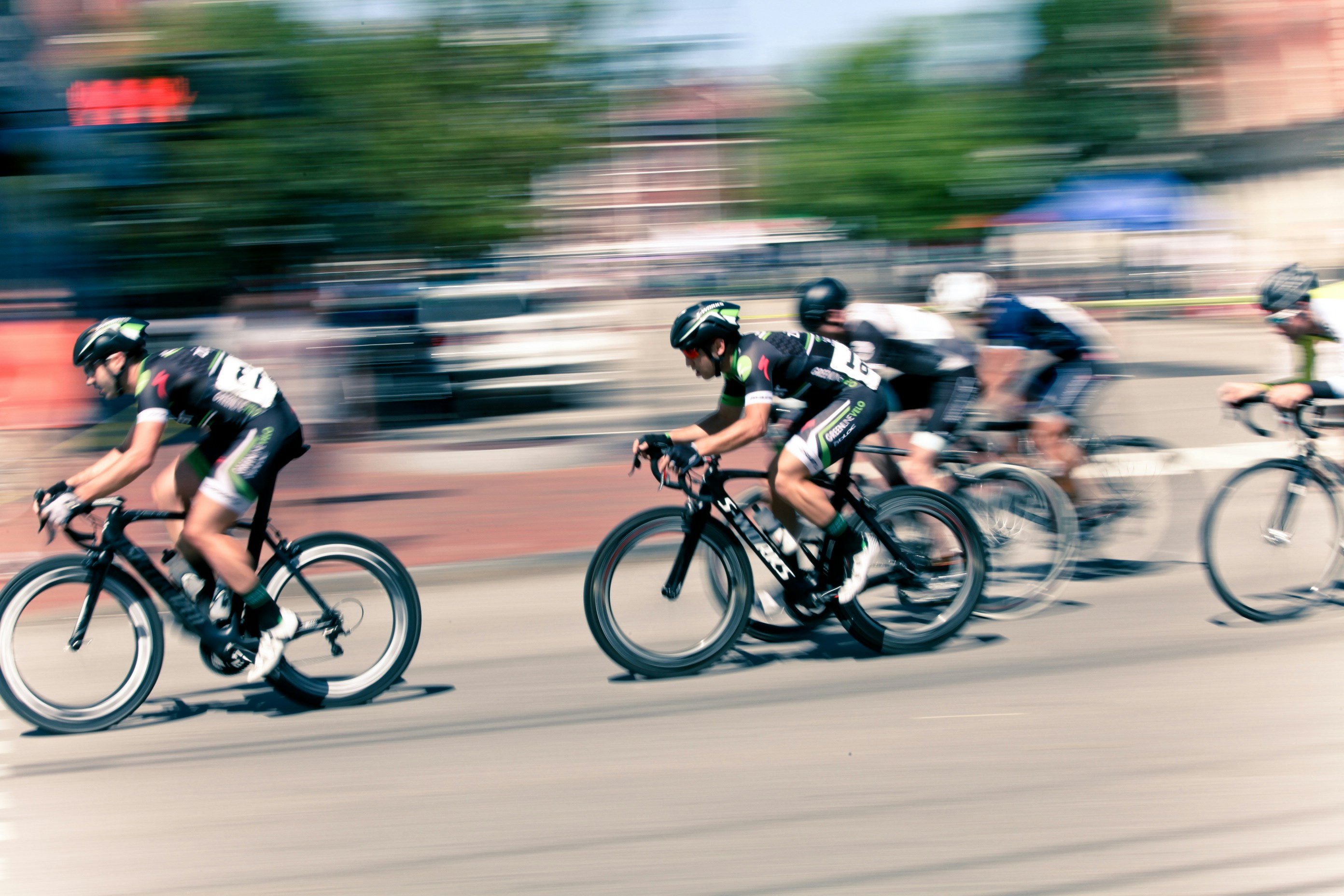
Road races reward the athlete who spends the least to run — or ride — the same pace. Draft smart, pace by effort not ego, fuel small and steady, and cap surges. Save watts on flats, corners, and descents so you have snap left when the race actually starts.
Why energy saving wins road races
Road races reward the athlete who spends the least to run the same pace. Every surge, hill, and headwind asks for extra watts; the winner is often the one who arrives at the final mile with more left to spend. Efficiency isn't passive — it's a strategy to reduce cost per split so your closing speed stays sharp when others fade.
Aerobic economy is the engine, but mechanical economy is the transmission. Smooth cadence, compact arm swing, and stable torso trim the metabolic bill at any pace. Drafting behind competitors or packs cuts air resistance, especially on exposed roads, translating to lower heart rate for the same speed. Even micro-decisions — cresting hills without spiking effort, settling quickly after turns, and avoiding unnecessary lane changes — preserve precious glycogen.
Fueling and hydration backstop the plan. Small, steady carbs maintain blood glucose so you don't dip into costly anaerobic bursts, and timely fluids support thermoregulation that keeps heart rate drift in check. If you want to dive deeper into how to optimize this, check out our fueling strategy for cycling. Pace discipline ties it all together: hold even effort, not even splits over variable terrain. Save pennies of energy early so you can spend dollars in the kick.
Free: the Race Fueling Checklist
Turn this into a race-week plan: carbs, fluids, sodium, caffeine and aid-station prep in one free PDF you can print or keep on your phone.
Positioning and drafting: free speed first
Drafting is your number-one energy saver in a road race. Air resistance is the biggest cost above ~15 mph; sitting in a wheel cuts your workload dramatically. Think of position as a sliding scale: the closer and cleaner your line, the more watts you bank for when it matters.
Anchor to the top 15–30 riders if you can hold it safely. That's the sweet spot where the pace is steadier and gaps are less likely to snap. Deep in the pack offers huge draft, but you'll burn matches fixing the accordion and risking splits. Too far back and you're reacting, not racing.
Hold a half-wheel stagger, bars near their rear hub, with a smooth overlap to one side (never ride squared directly on the wheel). Keep soft elbows, eyes up, and a light gear so you can micro-adjust without braking. Every brake squeeze turns saved kinetic energy into heat; every coast in the draft is free recovery.
Corners: enter two to three riders wider than you exit, carry speed, and skip the surge. If you brake, do it early and lightly while still upright, then roll the apex so you're pedaling sooner than the line behind. Hills: stay seated, increase cadence a touch, and let the group come back to you — don't close every micro-gap instantly at threshold. Wind: in crosswinds, slide to the leeward side (echelon). If the road or moto rules force a single line, fight to be early in that line or you'll ride in the gutter.
Micro-goal: spend 90% of the race at conversational breathing. Use the draft to arrive at selection points — crosswinds, climbs, final laps — with legs, not pride.
FuelQ Pro helps you pair pack position with smart hydration and fueling so your "free speed" actually converts to final-lap power. For more on how to align your fueling with your race tactics, see our fueling strategy for cycling.
Packcraft: micro-decisions that save watts
Draft, settle, surf. Think of the peloton as moving air you can borrow. Your job: sit where the air is cheapest.
- Find the sweet spot: 4–8 riders back from the front, slightly offset from the wind. Too far back and you accordion at every corner; too far forward and you end up working as a windbreak.
- Read the wind: In a crosswind, move to the leeward side of the echelon. If you feel clean air on your chest, you're paying. If your front wheel is tucked a half-bike behind the rider ahead and the wind hits your shoulder, you're saving.
- Minimize braking: Look through two riders, not one. Soft-pedal and feather instead of grabbing a handful of brake; every brake equals a sprint tax.
- Cornering efficiency: Enter wide, apex late, exit with one smooth acceleration. Hold a steady gear and pre-load a half pedal stroke before the exit so you don't spike watts.
- Micro-surges, not chases: Anticipate pace rises — close gaps early with 2–3 second nudges at 90–95% instead of 10-second redlines.
- Sit versus stand: Stay seated for 90% of efforts. If you stand, do it briefly and shift up one gear to avoid the elastic effect on the rider behind.
- Protect the head unit line: Ride 10–20 cm closer than feels comfortable, elbows soft. The safest wheel is the predictable one; choose calm riders over strong-but-erratic.
- Feed on shelter: Eat and drink only when wind-sheltered and speed is steady. Farm calories when watts are low, not during crosswind splits.
Decision rule: If a move costs you more than it saves over the next minute, skip it. Save matches for selection points: crosswinds, climbs, and the final kilometer. Learn more about how these micro-decisions fit into your broader fueling strategy for cycling.
Pacing the course: flats, rollers, climbs, descents
Flats. Sit in, surf wheels, and cap surges. Hold an even, aerobic effort — around your all-day tempo — while using the draft to save 20–30% energy. If the pace lifts, slide up a few spots before corners to avoid accordion spikes, then soft-pedal back into the draft. Keep cadence smooth and avoid half-wheeling; micro-coast when sheltered, pedal steadily when exposed.
Rollers. Treat short rises like elastic — stretch but don't snap. Enter each roller with a touch more speed, shift early, and stand briefly only if it prevents bogging down. Crest at control: avoid the classic over-the-top redline by backing off 2–3 pedal strokes before the summit, then accelerate into the downhill to maintain position at low cost. If the bunch surges, move up on the preceding false flat rather than responding at the steepest point.
Climbs. Pace by effort, not ego. Lock into a sustainable threshold on longer ascents, letting the group come back if they open small gaps after switches or hairpins. Seated, high-cadence climbing is usually more economical; stand in short bouts to change muscle load. Manage heat — vent layers and sip regularly if it's hot or humid. If you must close a gap, do it gradually over 20–40 seconds instead of spiking into the red.
Descents. Free speed is free energy. Get aero — stable, safe tuck with hands in the drops — and keep light pressure on the pedals to stay engaged. Brake before corners, not in them; pick a clean line and roll speed out of turns to regain the draft. Use downhills to eat and drink when safe. If crosswinds hit on exposed descents, anticipate echelons and move early to the sheltered side.
Threading it together: pace the course like intervals stitched by recovery. Spend when the return is highest (over crests, out of corners), save when the draft is richest (flats, fast wheels), and avoid all-out hero pulls until it truly matters. For more on pacing and fueling, check our fueling strategy for cycling.
Fuel and hydration to reduce perceived effort
Your brain is the governor. When carbs and fluids are steady, effort feels easier at the same pace. Aim to front-load a small, reliable plan rather than chase deficits late.
Pre-race (2–3 hours out). Eat a familiar, low-fiber carb meal (1–3 g/kg). Sip 12–20 oz (350–600 ml) of fluid with sodium. If you're heat-prone or a salty sweater, consider an electrolyte tab (per label) in that bottle. 10–15 minutes before the gun, take a 20–30 g carb gel with a few sips of water to prime blood glucose.
During the race. Target 30–60 g carbs per hour for races up to ~2 hours; 60–90 g/hour if you're out longer and your gut is trained. Use a mix of glucose/fructose sources (gels, chews, drink mix) to improve uptake. Set a clock alert every 15–20 minutes to take a small dose so you never spike and crash. For more specifics on carb timing, see carbohydrates per hour for cyclists.
Hydration. Start with 12–24 oz (350–700 ml) of fluid per hour, then adjust to conditions and your sweat rate (weigh pre/post in training; 1 lb lost ≈ 16 oz). Include 300–700 mg sodium per hour if you're sweating heavily, it's hot, or you get salt crusts on kit. Clear to light-yellow urine pre-race is a good sign; during the race, use thirst plus your plan to stay on track. Our hydration strategy for endurance athletes explains how to individualize this, and you can use the cycling hydration calculator to dial your numbers.
Caffeine can lower RPE for many athletes. If you tolerate it, 1–3 mg/kg total spread across pre-race and early race (e.g., gel + sip of coffee) can help. Avoid mega-doses late.
Practice this plan in key workouts. A trained gut delivers more carbs with less distress, stabilizes perceived effort, and keeps form and decision-making sharp in the final miles. For a quick estimate of your race needs, try our race fueling estimate tool.
| Race duration | Carbs/hour | Fluids/hour | Sodium/hour |
|---|---|---|---|
| Under 60 min | Optional | 12–16 oz | Low priority |
| 60–120 min | 30–60 g | 16–24 oz | 300–500 mg |
| 2–3 h | 60–90 g | 20–28 oz | 400–700 mg |
| 3 h+ or heat | 70–90 g | 24–32 oz | 500–1,000 mg |
Bike setup that saves free watts
Start with tire choice and pressure. Use fast, durable tubeless tires (25–28 mm) and set pressure based on your weight, rim width, and road surface. Lower pressures on rough pavement reduce vibration losses and can be faster while improving grip and comfort.
Go aero where it matters. A well-fitted, shallow aero bar position with neutral wrist angle and relaxed shoulders is worth more than a deeper, unsustainable tuck. Keep forearms parallel, elbows tucked, and avoid flared knees. Tape and cables should be tidy; minimize spacers and keep stack consistent with your mobility.
Clean the bike's front. Narrow the frontal area: slim bottles, low-profile mount, and a single out-front computer close to the bar. Use an aero bottle between the arms if you race with clip-ons; if not, one downtube bottle is usually best. Avoid round, bulky handlebar bags on race day.
Optimize drivetrain efficiency. Keep the chain clean and waxed or well-lubed, run straight chain lines when possible, and choose chainrings/cassettes that avoid extreme cross-chaining. Check hanger alignment and limit screw settings to reduce friction and mis-shifts.
Choose wheels for conditions, not just depth. Mid-depth rims (45–60 mm) balance stability and speed for variable winds. Align brake pads, true wheels, and ensure bearings spin freely. Secure number placement flat and smooth with minimal flapping — small details add up to free speed without extra effort.
Tactics: when to work, when to hide
Read the race, not just your legs. Spend your energy where it returns position or safety; hide when it only buys wind.
Neutral zones, descents, and steady flats: hide. Sit in the top 20–40 riders, second or third row from the gutter, elbows in, smooth pedal strokes. Draft aggressively — half a wheel closer than feels comfy, but safe. Use micro-coasting in wheels to keep your heart rate down. If the bunch is organized and pace is steady, there's almost no reason to take wind.
Crosswinds: work to hold the front echelon; hide once you're in it. If you're slipping toward the gutter, spend a short, decisive match to move up into shelter. The cost of drifting back is far higher than one 20–30 second surge.
Hills and rollers: work at the base to start top-20 with momentum, then settle just under threshold on the climb. Cresting: push over the top for 10–20 seconds to stay connected — this is where gaps open and free speed is lost. If you're already near the limit mid-climb, hide in a wheel and focus on cadence and breathing; don't drag others.
Corners and technical sections: work before the turn to enter in the first third; hide through and after. Braking late and smooth saves more energy than sprinting out from the back every corner.
Moves and breaks: work only if (a) the composition is dangerous (multiple teams represented), (b) you're bridging with momentum and a tailwind/downhill, or (c) teammates will benefit. Otherwise, hide and let others chase. If you commit, do it clean: pull through, skip if your HR is red, and keep the rotation tight.
Finale: with 5–3 miles to go, spend to secure front-third position. With 1 mile, hide in the draft of contenders; with 400–200 meters, pick your line and commit once — no surfing after the jump.
Heat, humidity, and crosswinds in US races
Heat drains glycogen faster and elevates heart rate at any given pace. In US summer races — from the Southeast's muggy mornings to Midwestern heat indexes — start cooler than goal pace and let HR guide you. Pre-cool 20–30 minutes before the gun: shade, ice in a hat or neck wrap, cool fluids. Keep cadence steady and shorten stride on hot rises to cap heat load. If there's on-course ice or sponges, target neck, armpits, and groin — high-blood-flow zones cool fastest.
Humidity slows sweat evaporation, so you overheat even with heavy sweating. Sip consistently, don't chug. Add electrolytes to match sodium loss; salty crust on kit or stinging eyes hint at higher needs. Aim to wet the skin and catch any breeze for evaporative help; pour water on forearms and quads, not just the head. Expect pace creep; anchor to effort and HR, not splits, especially on tree-lined, wind-sheltered stretches. For more on managing hydration and sodium, see our hydration strategy for endurance athletes.
Crosswinds are common on exposed American courses — Great Plains highways, coastal routes, desert straights. Running solo in a crosswind costs free watts. Tuck just off-shoulder on the leeward side of a group (a tight diagonal echelon). Rotate gently to share work without surging. If the road camber plus wind pushes you, widen stance slightly and keep hips level to avoid overloading the IT band. In gusts, keep elbows relaxed, eyes up, and hold effort steady — don't sprint gaps when the wind hits. Use buildings, parked cars, and tree lines as micro-shelter, bridging between them to bank energy.
Race-day routine to avoid unnecessary spikes
Keep your effort smooth from the first step. Warm up just enough to wake the system — 8–12 minutes easy jogging, a few 15–20 second strides, then settle. Overcooking the warm-up burns matches you'll need after halfway.
Line up by realistic pace, not aspiration. The first mile should feel controlled — think 3–5% easier than goal effort. Glance at your watch at 30–60 seconds to avoid a surge, then run by feel and cadence. If you're using power or heart rate, cap the first 5–10 minutes at the low end of your target zone.
Draft smart. Tuck behind runners moving your pace, especially in wind. Micro-surges to pass and then ease off waste energy; commit to one clean pass when pace truly drifts.
Fuel and sip on schedule, not on panic. Small, regular sips prevent big thirst spikes. If you tolerate caffeine, time a modest dose 30–45 minutes pre-start, then top up mid-race only if it fits your plan. Avoid last-minute chugs or extra gels at the start line — they cause GI and heart-rate spikes.
Run the tangents and stay relaxed in shoulders and hands. Shake out arms every couple miles to bleed tension instead of pace.
On hills, cap the uphill, float the crest, and let gravity work — no sprinting off the top. Bank calm, not seconds. For more on pre-race fueling and hydration, visit carbohydrates per hour for cyclists.
Top mistakes that waste energy — and quick fixes
- Going out too hot. Starting 10–20 seconds/mile faster than goal pace spikes lactate and heart rate. Quick fix: cap the first 1–2 miles at goal pace or slightly slower; use lap pace, not current pace.
- Surging and yo-yo pacing. Repeated accelerations burn glycogen fast. Quick fix: lock into even effort using heart-rate or RPE; pass decisively once, then settle.
- Over-braking on hills. Fighting gravity on descents or attacking early on climbs taxes quads. Quick fix: short, quick steps uphill; on downhills, relaxed hips, slight forward lean, let pace float without overstriding.
- Poor drafting. Solo running into headwinds costs ~5–8% more energy. Quick fix: tuck 1–2 meters behind or slightly off the shoulder of runners your pace; share pulls courteously.
- Skipping carbs and sodium. Late-race fade often equals under-fueling. Quick fix: aim 30–60 g carbs/hour for races ~60–150 minutes; longer events 60–90 g/hour as tolerated. Include 200–500 mg sodium/hour depending on sweat rate and heat. For more on carb and sodium targets, see carbohydrates per hour for cyclists and hydration strategy for endurance athletes.
- Bad bottle/aid timing. Slamming fluids at once can cramp. Quick fix: small, regular sips; practice on long runs.
- Tense form. Clenched fists and shrugged shoulders waste watts. Quick fix: shake out hands, drop shoulders, tall posture, quick cadence.
- Mental drift. Missing cues leads to pace creep. Quick fix: 5-breath resets every mile; checkpoint splits vs. plan and adjust calmly.
Next steps and internal links
Put this into action on your next group ride: practice drafting, smooth cadence, and fueling timing. Then stress-test it in a local road race.
Level up with these resources:
- Race Fueling Plan: Dial carbs, sodium, and caffeine to save watts late in the race. Explore FuelQ Pro's Race Competition Planning and Smart Hydration.
- Hydration Calculator: Calculate your hydration and create a personalized plan. Start here.
- Training Plan Analysis: Identify power spikes and coast opportunities to cut unnecessary surges.
- Performance Tracking: Monitor HR drift, cadence stability, and NP vs. AP to confirm you're conserving energy.
- AI Meal Planning: Optimize pre-race glycogen and post-race recovery.
Ready to personalize? Open FuelQ Pro to connect your device data and generate a race-day conservation plan.
Put it together: finish with more left
Start calm. Settle 10–15 watts or ~10–15 seconds per mile easier than goal pace for the first 10–15 minutes to let HR and breathing stabilize. Find shelter: sit 3–6 feet off a wheel or mid-pack on the leeward side to cut wind cost without overlapping wheels.
Ride smooth. Hold steady power over rollers — soft-pedal the crests, spin early on rises, and avoid surge-brake cycles. Corner clean: brake before the turn, roll the apex, and exit on the gas once the bike stands up. On climbs, cap effort to what you can repeat; use cadence changes before gear changes.
Fuel and sip on schedule, not by feel. Small carb hits every 10–15 minutes; fluids early, especially in heat. With 20–30 minutes to go, lift cadence, add 5–10 watts, and mark moves. Save your peak for the last decisive minute. For a practical tool to estimate your needs, check the race fueling estimate tool.
Frequently asked questions
How do I prevent early burnout?
Start slightly slower than goal pace for the first 1–2 miles, then lock into rhythm. Keep strides short, cadence steady, and breathing controlled. If you can't speak in short phrases, you're too hot early.
What's the best drafting etiquette in US races?
Draft at a safe distance (about a half step behind or offset) without clipping heels. Share the work: rotate every few minutes if you're in a pack. Thank volunteers and don't block others at aid stations.
Should I walk aid stations?
If you're racing half marathon or marathon, a 5–10 second fast walk through crowded stations can ensure you drink and gel cleanly, often saving time later. For 5K/10K, only if conditions are hot or you miss a bottle.
How much should I drink to save energy?
Sip early and consistently. In warm conditions, a few ounces every aid station can prevent cardiac drift. Practice your hydration plan in training to avoid GI surprises.
Do surges waste energy?
Yes. Avoid yo-yo pacing. If you must cover a move, ease up smoothly rather than spiking pace. Hills: maintain effort, not speed.
What's the role of carb intake?
For races over ~60 minutes, take small, regular carb doses to maintain steady effort. Don't try new products on race day.
How do I handle headwinds and downhills?
Into headwinds, tuck behind runners or run compact. On downhills, lean slightly forward, quicken cadence, avoid braking to reduce quad damage.
Is this article about road running or road cycling, and what content should I expect?
This guide blends road-race energy-conservation tactics that apply across both disciplines: drafting and pack positioning, even-effort pacing over rollers and climbs, and fueling and hydration to reduce perceived effort. Some sections lean cyclist (wheel choice, drivetrain), others lean runner (aid stations, stride mechanics). Use the parts that map to your discipline.
Which evidence-based sources support drafting, fueling, and hydration as energy-saving strategies in road races?
Aerodynamic gains from drafting are documented by Blocken et al. (Journal of Wind Engineering & Industrial Aerodynamics, 2018), showing substantial power savings when positioned in the slipstream. For fueling and hydration, consensus statements from the American College of Sports Medicine (Sawka et al., Medicine & Science in Sports & Exercise, 2007; Jeukendrup, 2014 review) and work by Jeukendrup & Morton on multiple transportable carbohydrates outline how steady carbohydrate intake and planned fluids support thermoregulation and sustained performance.
Turn this strategy into a real plan.
FuelQ Pro builds personalized fueling for your training weeks, long sessions and races — plan, execute, review, improve.