Fueling Before a Criterium: Smart, Fast, Hydrated

Gabriel Ricce
Lamorinda MBO Racing · USA Cycling Coach Level 3
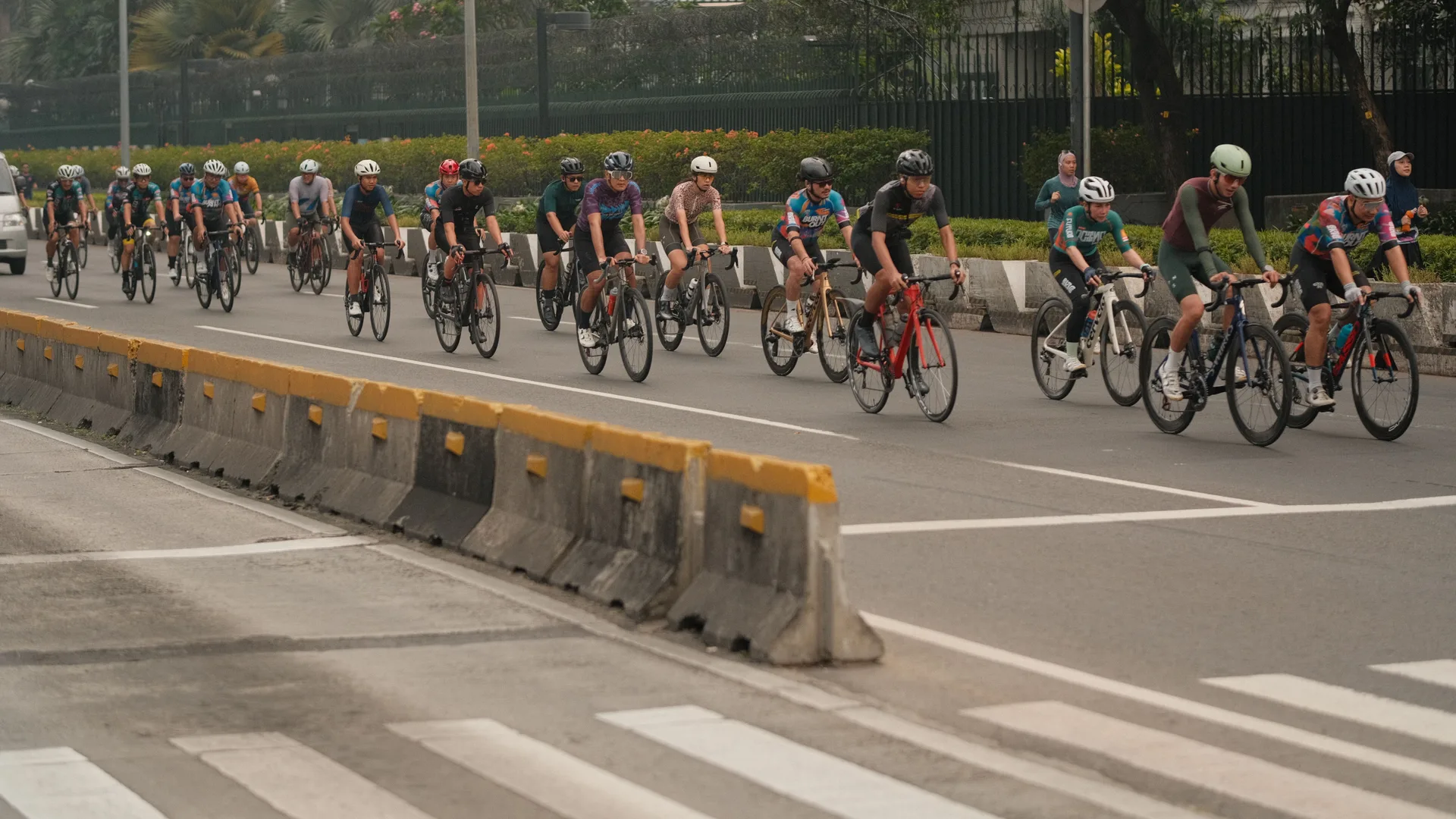
Fueling before a criterium is short-race, high-intensity work: top off glycogen with a carb-forward meal 3–4 hours before, keep fiber and fat low, hydrate with sodium in the 2 hours pre-race, and take 20–30 g of fast carbs 10–15 minutes before staging. The goal is calm gut, primed glucose, and full snap from lap one.
Why fueling before a criterium is different
Criteriums are short, explosive, and unpredictable. Unlike steady endurance races, crits feature repeated surges, corner exits at max watts, and decisive sprints. That intensity leans heavily on muscle glycogen and fast-absorbing carbs. Pre-race fueling isn't just about "enough calories" — it's about topping off glycogen and arriving with a calm gut ready to handle hard accelerations without distress, as outlined in what to eat before a bike race.
Timing is tighter, too. With early call-ups and frequent warmups between heats, you'll have less room for large meals close to the start. A crit pre-fuel strategy prioritizes a familiar carb-forward meal 3–4 hours out, then quick-digesting carbs in the final 30–60 minutes if you need a top-off. Fiber, fat, and heavy protein should be moderated to avoid lingering fullness when the pace snaps.
Hydration and sodium matter because high-intensity efforts amplify sweat rate and perception of effort. You're not out there long, but you're near max — small hydration gaps feel bigger. Aim to start euhydrated, then sip purposefully during staging if allowed. Over-drinking right before the whistle can backfire with sloshing; think strategic sips, not chugging. For more on sodium and hydration, see how much sodium for cyclists.
Finally, the tactical nature of crits changes risk calculus. You may skip bottles mid-race to protect position, which places even more pressure on pre-race fueling and hydration. Going in topped up reduces the need to reach for carbs or fluids when you're fighting for wheels. In short: short race, big surges, tight logistics — fuel earlier, lighter on the gut, and sharper on timing.
Free: the Race Fueling Checklist
Turn this into a race-week plan: carbs, fluids, sodium, caffeine and aid-station prep in one free PDF you can print or keep on your phone.
48–24 hours out: set the table
This window is about topping off glycogen, staying well-hydrated, and keeping your gut calm. You're not cramming; you're smoothing the runway for short, high-intensity efforts. For a deeper dive into carb loading and pre-race nutrition, check carb loading for cycling and what to eat before a bike race.
Carbs: aim for 5–7 g/kg/day if training is light. Center plates on familiar, carb-forward staples — rice, potatoes, pasta, oats, tortillas — paired with lean protein and simple veg. Keep fiber moderate and fat moderate to low to avoid GI heaviness. Think: rice bowl with chicken, soy or salsa, and cooked veggies; oatmeal with banana and a spoon of peanut butter; pasta with marinara and ground turkey. If you're smaller or prone to GI issues, bias toward lower-fiber choices (white rice, sourdough, peeled potatoes).
Protein: 1.6–2.0 g/kg/day spread across meals to support recovery without crowding carbs. Choose lean cuts, eggs, Greek yogurt, tofu/tempeh, or fish. No need for oversized portions — 20–35 g per meal works for most.
Fats and fiber: keep both in the middle lane. Avoid big salads, heavy cream sauces, fried foods, and bean-heavy meals. Cook veggies well and choose soluble-fiber fruit like bananas instead of dense raw crucifers.
Hydration: start deliberate but simple. Target pale-yellow urine and include electrolytes once or twice per day, especially if you sweat salty or live in heat/humidity. Add 400–800 mg sodium per liter of fluid with meals or sips through the day. Avoid overdrinking plain water — pair fluids with sodium and food. See how much sodium for cyclists for practical guidance.
Caffeine: keep your usual intake steady; don't stack extra yet. Save the bump for race day to preserve sensitivity.
Alcohol: skip it. Even small amounts can impair sleep, HRV, and glycogen storage.
Supplements: stick to what your gut knows. If you use creatine, beta-alanine, or probiotics, continue as normal. Don't trial anything new.
Logistics: plan the pre-race dinner now — simple carb base, lean protein, cooked veg, modest portions. Book a grocery stop or prep leftovers so race-eve isn't a scramble.
Checkpoint: you should feel normal hunger, steady energy, and no GI drama. If you're still hungry after meals, add an extra carb serving; if you feel heavy, trim fat and bulky fiber first.
Pro move: pre-plan your bottle strategy and sodium for race day so you can execute without guesswork. The race bottle and gel planner can help you dial this in.
Race-day breakfast (3–4 hours pre)
Your criterium breakfast should top off liver and muscle glycogen, settle the stomach, and hydrate without leaving you heavy. Aim for a high-carb, low-fat, low-fiber meal you can digest easily. Target roughly 2–3 g carbohydrate per kilogram of body weight (about 1–1.5 g/lb) 3–4 hours before the start. Keep protein moderate (15–25 g) and fats minimal to speed gastric emptying. For more on pre-race meal composition, see what to eat before a bike race.
What that looks like in practice:
- Oatmeal made with water or low-fat milk, a sliced banana, a drizzle of maple syrup, and a sprinkle of low-fiber granola.
- White rice or a plain bagel with honey/jam plus a small side of scrambled egg whites or low-fat Greek yogurt.
- Pancakes or waffles (white flour) with fruit compote and a small serving of turkey slices.
If you have a smaller appetite or are nervous, split the meal: eat most 4 hours out and a smaller top-off 2 hours out (see timing below). Keep fiber under ~8–10 g total and fat under ~15–20 g to avoid GI drag. Avoid new foods, heavy dairy, sugar alcohols, and spicy items.
Hydration: start sipping early. Drink 500–700 ml (17–24 oz) in the first hour after waking, then another 300–500 ml (10–17 oz) by T−2 hours. Include sodium to support plasma volume, especially in heat or if you're a salty sweater. A practical target is 500–1,000 mg sodium total across this pre-race window, adjusted to your sweat rate and past experience. Water alone can dilute sodium; pair fluids with electrolytes. For sodium specifics, refer to how much sodium for cyclists.
Caffeine can boost alertness and late-race repeatability. If you use it, take 1–3 mg/kg (0.5–1.4 mg/lb) about 60 minutes before the start. Count what's in coffee, gels, or chews to avoid stacking more than intended. Skip caffeine if you're sensitive.
Timing blueprint:
| Time to start | What to do |
|---|---|
| T−4:00 to T−3:00 | Main breakfast: bulk of carbs + 500–700 ml fluid |
| T−2:00 | Optional small top-off: half a bagel with jam or banana + 300–500 ml fluid with electrolytes |
| T−0:45 to T−0:15 | 20–30 g carb mini-snack (gel, chews, or applesauce) to prime blood glucose |
Race-morning checklist:
- Carbs prioritized, fat/fiber kept low.
- Sodium included with fluids.
- Caffeine dosed intentionally (if used).
- Familiar foods only.
This approach steadies blood glucose, supports high cadence accelerations, and reduces GI risk when the pace turns on from lap one.
T−90 to T−20 minutes: top-off plan
This is your final carb and fluid top-off window. You're aiming to raise blood glucose, finish hydrating, and settle your gut before staging. Keep choices familiar and low-fiber. For evidence-based carb targets in this window, see carbs per hour in cycling.
T−90 to T−75 minutes — anchor snack (30–60 g carbs). Goal: fill liver glycogen and stabilize energy. Pick one: 2 slices white toast + honey; 1 plain bagel + jam; 1 cup low-fat yogurt + ripe banana; sports drink (20–24 fl oz) + small granola bar. If caffeine helps you, a small coffee or 75–100 mg caffeine is fine here if you tolerate it.
Fluids and sodium. Sip 14–20 fl oz (400–600 ml) total across this block. Use a sports drink (~4–6% carb) if it's warm or you're a salty sweater; add 300–600 mg sodium across this window if heat/humidity is high. Aim for pale-yellow urine by T−30. More on sodium in how much sodium for cyclists.
T−60 to T−45 minutes — quick top-up (20–30 g carbs). Options: 1 gel + water; 12–16 fl oz sports drink; 1 ripe banana; 2–3 chews. Keep this small to avoid gut slosh.
T−40 to T−30 minutes — settle phase. Stop large solids. Light sips only. If nerves spike, add a few chews (10–15 g carbs) with water.
Caffeine timing (optional). If you use it, a main dose of 1–2 mg/kg between T−50 and T−20 can sharpen focus for a fast start. Test in training. Avoid stacking huge doses with gels if you're sensitive.
T−25 to T−20 minutes — start-line primer (20–25 g carbs). 1 gel with 6–8 fl oz water or 8–12 fl oz sports drink. This primes blood glucose for the first surges.
What to avoid: high fiber, high fat, and unfamiliar foods. Big chugs in the final 10–15 minutes. Sugar-free polyol sweeteners (can cause GI distress).
Heat/humidity: lean more on sports drink, target the higher end of sodium, and keep sips steady. Cold: slightly reduce fluid volume; keep the same carbs. Warm beverages can help comfort.
Checklist for the T−90 to T−20 window:
- Carb total across window: roughly 60–100 g.
- Fluids: 14–20 fl oz (more if hot).
- Sodium: 300–600 mg if sweating heavily.
- Last gel: T−20 with water. Test everything in training.
For help with planning exact bottle and gel timing, use the race bottle and gel planner.
Warm-up fueling without gut bounce
Criteriums start hot, so your warm-up fuel should top off blood glucose without sloshing. Aim for quick carbs you can absorb fast and keep the stomach light. For more on carb timing and amounts, see carbs per hour in cycling.
60–30 minutes out: Sip 12–16 oz (350–475 ml) of a 4–6% carb-electrolyte drink (about 10–15 g carbs). This nudges blood glucose up and supports hydration without flooding the gut. If you're heat-sensitive or a salty sweater, include 300–600 mg sodium during this window to improve fluid retention. See how much sodium for cyclists for sodium strategies.
25–15 minutes out: Take 15–25 g of fast carbs — options: a small gel, half a sports bar, or a few chews. Chase with a few sips of water. Keep fats, fiber, and protein minimal here; they slow gastric emptying and can cause bounce when you hit the first surge.
10–5 minutes out: If starts are chaotic or you're lining up early, a micro-top-off (10–15 g carbs via chews or a few mouthfuls of drink mix) keeps the lights on without overfilling the stomach. Avoid chugging in the final five minutes — excess volume = slosh.
Texture matters: choose low-volume, high-carb formats (gel > bar; chews > whole fruit). If you prefer real food, a small rice cake (~20 g carbs) can work, but test it in training.
Caffeine (optional): If you tolerate it, 1–2 mg/kg total pre-race, finishing ~15 minutes before the gun. Split between drink and gel to reduce GI load.
Checklist: arrive topped up, sip don't chug, keep fibers/fats low, small carb hits timed close to the whistle, and practice this sequence before race day.
On the line and first laps
Final 10–15 minutes: sip 6–10 oz (180–300 ml) of fluid with electrolytes. If it's hot or you're a salty sweater, aim high. Avoid chugging; steady sips settle better. For sodium specifics, see how much sodium for cyclists.
Top off carbs with 15–25 g fast-acting fuel 5–10 minutes before the whistle (a small gel or chews). If you're prone to gut issues, take it closer to 5 minutes and chase with a small sip of water.
Staging and rollout: keep breathing easy, stay loose, and don't experiment. No last-second caffeine if you haven't used it in training. If you do use caffeine, a modest pre-race dose (1–2 mg/kg taken 30–60 minutes prior) should already be on board.
First 5–10 laps: carry one small bottle (if allowed) with 3–6% carb mix plus sodium (at least 300–600 mg/L). Take short, controlled sips on straights; prioritize wheels and position over drinking if the pace is surging. For bottle and gel logistics, the race bottle and gel planner can help.
If the pace stabilizes: consider 1–2 micro-sips per lap or every other lap. If it's full-gas from the gun, delay the first sip until you're settled.
Early cues to act on: dry mouth, light head, rising RPE without power increase — take a sip. Gut slosh or burping — pause intake for a lap, then resume smaller sips.
Common pre-crit fueling mistakes to avoid
- Skipping carbs at breakfast: Low-glycogen legs feel flat in the first accelerations. Aim for a carb-forward meal (oats, rice, toast, fruit) with a bit of protein 3–4 hours pre-race. See what to eat before a bike race for more on this.
- Overloading fiber and fat: Big salads, heavy burritos, or fried foods slow gastric emptying and can cause gut slosh during repeated surges. Keep fiber and fat moderate until after the race.
- Trying new foods on race day: Novel gels, drinks, or bars are a gamble. Use race week to rehearse exact products, timings, and quantities.
- Under-salting in hot or humid conditions: Water-only dilutes plasma sodium and can invite cramps or dizziness. Include sodium in pre-race fluids per your sweat rate and climate. Details in how much sodium for cyclists.
- Drinking too little — or too much — right before staging: Arriving dehydrated blunts power; chugging late leads to a sloshy stomach and urgent bathroom stops. Top off steadily in the last 2–3 hours; sip, don't slam, in the final 30 minutes.
- Neglecting a top-off carb: Fast starts punish under-fueled riders. Take 20–30 g of quick carbs (gel/chews) 10–15 minutes before call-up if your gut tolerates it. For carb targets, see carbs per hour in cycling.
- Excess caffeine timing: Massive doses right before the whistle can spike jitters and GI distress. If you use caffeine, plan total mg based on body mass and start 45–60 minutes pre-race.
- Ignoring warm-up fueling: A 20–30 minute warm-up burns through glucose. Sip a carb drink (6–8% solution) to preserve muscle glycogen for the first laps.
- Forgetting logistics: Dead bottles, wrong mix, or no opener = panic. Pre-mix, label, and pack your bottles, gels, and salt ahead of time. The race bottle and gel planner can help you organize.
Special cases: double-headers, late starts, and heat
Double-headers (two crits in a day). Goal: show up to race two with topped-up glycogen, steady gut, and normal hydration. For strategies on carb timing, see carbs per hour in cycling.
Between races (ideally 2–4 hours):
- Fluids: 16–24 oz (475–710 ml) with electrolytes; aim for 600–1,000 mg sodium total depending on sweat rate and weather. For sodium guidelines, see how much sodium for cyclists.
- Carbs: 1–1.2 g/kg in the first hour post-race, using easy-to-digest options (rice bowl, white bread sandwich, oatmeal, recovery drink, low-fiber cereal + milk, bananas, applesauce). Keep fat and fiber low.
- Protein: 20–30 g to support recovery without slowing gastric emptying.
- If time is tight (<90 min): use liquid carbs (30–60 g) plus 10–20 g protein; keep total volume modest to avoid gut slosh.
30–45 min before race two: 20–30 g fast carbs (gel, chews) + 6–12 oz (180–350 ml) electrolyte drink. Caffeine only if you tolerate it and total daily intake stays reasonable.
Late starts (afternoon/evening). Build a steady-carb day: ~0.8–1.0 g/kg carbs every 3–4 hours from breakfast onward; low fiber after midday.
Sample cadence:
- Breakfast: carb-forward (e.g., oats + honey + egg whites or toast + jam + yogurt).
- Midday: white rice or pasta + lean protein + low-fiber veg.
- 2–3 hours pre-race: 1–2 g/kg carbs; keep fats/fiber minimal.
- 15–20 min pre-race: 20–30 g fast carbs if you prefer a top-off.
Hydration: sip 12–20 oz (350–600 ml) electrolyte drink in the 2 hours pre-race; avoid chugging in the last 10 minutes. Caffeine timing: start 45–60 minutes before rollout; consider total dose and sleep impact.
Heat and high humidity. Start the day ahead on fluids and sodium; pale-yellow urine is a practical target, not a rule.
- Pre-cooling: cold drink (slushy if available) 20–30 minutes pre-race; ice sock or cold towel during staging if permitted.
- Sodium: increase concentration to match sweat rate and saltiness of sweat; many athletes do well with 700–1,000 mg sodium per liter in heat. Adjust to your tolerance and prior practice. How much sodium for cyclists covers this in detail.
- Carbs: prioritize drink mixes and gels; solid foods can feel heavy. Keep rinses/sips frequent.
- Post-race: replace ~125–150% of body mass lost via fluids over 2–4 hours with electrolytes, and include carbs + protein as above.
Always practice these protocols in training. This is educational guidance — work with a qualified sports dietitian or clinician for individualized needs.
Grab-and-go checklist
- Primary carbs (60–100 g): 1–2 bananas, 1–2 rice cakes with honey, or 1 large sports bar (check labels).
- Pre-race bottle (500–750 ml): electrolyte drink with 200–300 mg sodium per 500 ml; sip 30–45 min pre-start.
- On-grid sip bottle (250–500 ml): light electrolyte or water for last-minute sips.
- Caffeine (optional): 75–200 mg from coffee or gel 45–60 min before start, if you've practiced it.
- Rapid carbs for staging (20–30 g): 1 gel, 4–5 chews, or half a bar 10–15 min before rollout.
- Salt/electrolyte caps (optional): per your plan if it's hot/humid.
- Simple backup carbs (20–30 g): spare gel or chews in pocket.
- Mini pump/CO2, tube, levers, multi-tool (if allowed/needed pre-grid).
- Number pins, small tape, spare safety pins.
- Small towel and wet wipes.
- Lightweight jacket or arm warmers for warm-up; easy-off layers.
- Chamois cream, sunscreen, lip balm.
- Pre-mixed recovery shake or chocolate milk for post-race.
- ID, race license, payment method.
- Timing: finish last solid food 2–3 hours pre-race; top-up snack 60–90 min; final gel/chews 10–15 min.
Pro tip: Pre-pack in clear zip bags labeled "2–3h," "60–90m," and "10–15m" so you can execute without thinking. Dial exact carb, fluid, and sodium with your plan. The race bottle and gel planner can help organize your fueling and hydration.
Dial it in: personalize your plan
No two crits — or stomachs — are the same. Use your recent training and race notes to tune your pre-crit fueling. For more on evidence-based carb and sodium targets, check carbs per hour in cycling and how much sodium for cyclists.
- Start line timing: If your gut feels better with more buffer, finish your last carb-rich meal 3–4 hours out and a small top-off (25–40 g carbs) 45–60 minutes before call-ups. If you tolerate closer fueling, shift the meal to 2–3 hours and keep the same top-off.
- Carb load nuance: Lighter riders or short, punchy courses might feel best at the lower end of carb targets; heavier riders or courses with repeated surges may need the higher end. Adjust based on prior GI comfort and late-race snap.
- Fiber/fat/protein: If you've had GI issues, reduce fiber and fat in the final meal and keep protein moderate. If you arrive hungry on the line, slightly increase low-fiber carbs rather than fat.
- Caffeine: If you're caffeine-sensitive, cap at a lower dose and finish 45–60 minutes pre-race; if you tolerate more, split between pre-race and early laps. Always test in training.
- Hydration and sodium: Hot, humid, or windy courses demand extra fluid and sodium in the final 2–3 hours. Track how often you've cramped or faded late and nudge sodium accordingly.
Then lock it in with a repeatable checklist and refine after every crit.
Frequently asked questions
How far out should I eat my main pre-crit meal?
Aim for 2–3 hours before your start. Prioritize easy-to-digest carbs (rice, pasta, potatoes, oats), moderate lean protein, low fat, and low fiber to reduce GI risk.
What should I do if my race is late in the afternoon?
Keep breakfast normal, then a carb-focused lunch 3–4 hours pre-race. Add a small top-off snack (30–50 g carbs) 45–60 minutes before staging — like a banana, applesauce pouch, or sports drink.
Is caffeine helpful before a criterium?
It can be. Typical evidence-based intake is 3–6 mg/kg about 45–60 minutes pre-race. Start low if you're sensitive and avoid if you have medical reasons. When in doubt, consult a qualified professional.
Should I pre-load sodium or just sip on course?
For short, intense crits, arrive well-hydrated and consider 500–1,000 mg sodium in the 60–90 minutes beforehand, split between fluids and/or capsules if tolerated. Adjust for heat, individual sweat rate, and past GI tolerance.
What's a simple 60-minute pre-race snack?
30–60 g quick carbs: 1–2 chews/gels, a ripe banana with a small sports drink, or white bread with honey. Minimal fat/fiber.
Do I need a warm-up gel?
Optional. If your last meal was more than 3 hours ago, a gel 10–15 minutes pre-start can help. Chase with a few sips of water.
How do I avoid GI issues?
Keep fat and fiber low pre-race, don't try new foods, and space meals to allow digestion. Practice your plan in training.
What if I'm racing multiple crits in a day?
Between races, aim for 30–60 g carbs per hour with low-fiber, low-fat options (sports drink, gels, white rice, bread, bananas). Replenish sodium and fluids based on sweat loss.
How can I personalize this for my sweat and timing?
Use a Smart Hydration tool to estimate fluid and sodium needs, then build a race fueling timeline for your exact start time and weather.
What evidence-based ranges should I use for carbs, caffeine, and sodium before a criterium, and where can I read the consensus?
For carb loading and pre-/during-exercise carbs, see Burke LM et al. (2011, doi:10.1136/bjsports-2011-090817) and the ACSM/AND/DC position stand (Thomas DT et al., 2016, PubMed:26773040). For caffeine dosing and timing, review Spriet LL (2014, PubMed:24791920). For hydration and sodium guidance, see Hew-Butler T et al. (2015, PubMed:26290294). These papers outline consensus ranges and practical applications without prescribing individual plans.
Turn this strategy into a real plan.
FuelQ Pro builds personalized fueling for your training weeks, long sessions and races — plan, execute, review, improve.