Carbohydrate strategy
60–90 g/hr of mixed carbohydrate for most riders. Because aid is spaced, plan calorie density carefully — every bottle needs to earn its place.
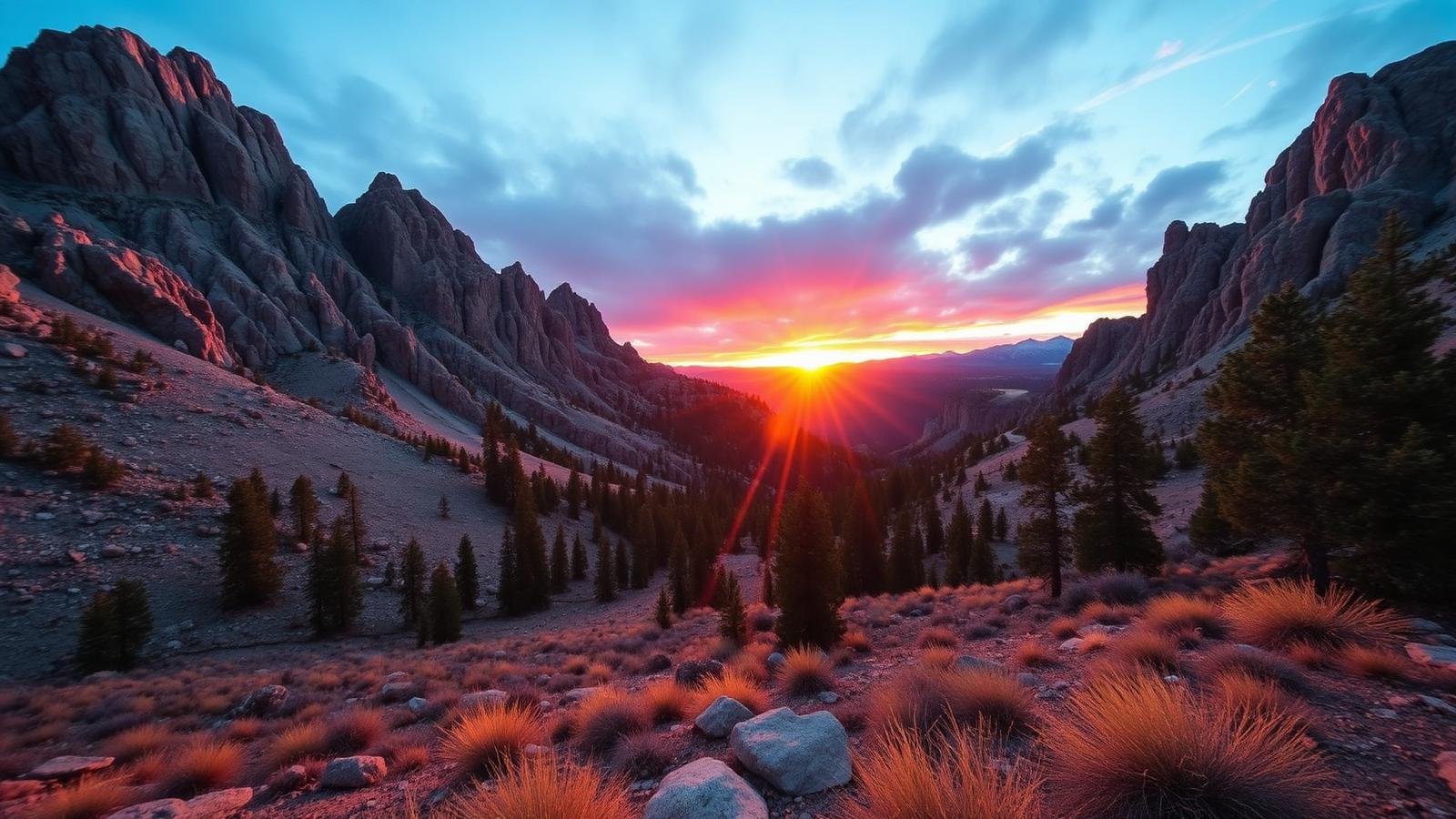
2026 UCI Gravel World Championship qualifier — a high-altitude Eastern Sierra gravel race across volcanic tuff, pumice and pine forest.
Build Your Personalized Race Fueling Plan — $19General, evidence-based guidance. Numbers should always be personalized to sweat rate, body mass, fitness and weather.
60–90 g/hr of mixed carbohydrate for most riders. Because aid is spaced, plan calorie density carefully — every bottle needs to earn its place.
17–34 fl oz/hr baseline, adjusted for altitude and heat. Carry more than you think you need between aid points.
400–1000 mg/L of fluid, personalized to sweat testing. Riders with white salt streaks on kit almost always sit at the higher end.
3–6 mg/kg split across the race, with the largest dose held for the second half where mental fatigue costs the most watts.
Plan calories in and out of every aid: swap bottles first, eat second, and never linger. Rehearse this in training.
1–4 g/kg carbohydrate 2–4 hours pre-start, low fiber and low fat. Familiar foods only.
Set a 15- or 20-minute alarm. Fuel on schedule regardless of terrain, appetite or how the ride 'feels'.
1.0–1.2 g/kg carbohydrate plus 0.3 g/kg protein within 60 minutes; replace 150% of body-mass losses in fluid.
Every aid station along the Mammoth TUFF course, with crew access, drop-bag rules and the fueling action to execute at each stop.
Neutral aid: water, electrolyte, basic snacks. Swap one bottle, take one gel, keep moving. You are still fresh.
The most important stop. Refill both bottles, top up carbs for the next 25 miles, take second caffeine dose, remove morning layers.
Force one full bottle and 60 g of carbs here even if you feel fine. This is where the race is won or lost.
Recovery drink within 30 minutes, real meal within 60. Compression, shade, and elevated legs at the festival.
The gap to the next resupply is longer than it looks on the profile. Riders bonk because bottles run dry, not because they can't drink.
Rolling resistance is higher than road, so calorie demand for a given time-on-course is higher too.
Even one night at elevation is not acclimation. Fueling has to compensate for reduced oxygen and blunted appetite.
A single early espresso wears off by mile 60. Structured, split dosing sustains focus late.
Volcanic dust, altitude and long time-on-course amplify GI risk. Race what you've trained.
Cold shivering in the first hour burns glycogen you needed at mile 90.
Get a practical planning document with the course breakdown, aid-station strategy, fueling and hydration worksheets, race-morning timeline, equipment checklist, crew notes, and space for your own plan.
Free calculators, checklists and articles to help you personalize your Mammoth TUFF plan.
Every athlete is different. FTP, finish time, body weight, sweat rate, weather, nutrition preferences and race goals all change what you should eat and drink.
FuelQ Pro builds a personalized race fueling strategy tuned to your ride — carbohydrate, hydration, sodium, caffeine and recovery, mapped to the course.
A Race Fueling Plan gives you a personalized strategy for this event. The free checklist helps you prepare the basics first: race-week setup, 48-hour prep, race morning, hydration, sodium, caffeine, aid stations, and backup calories.