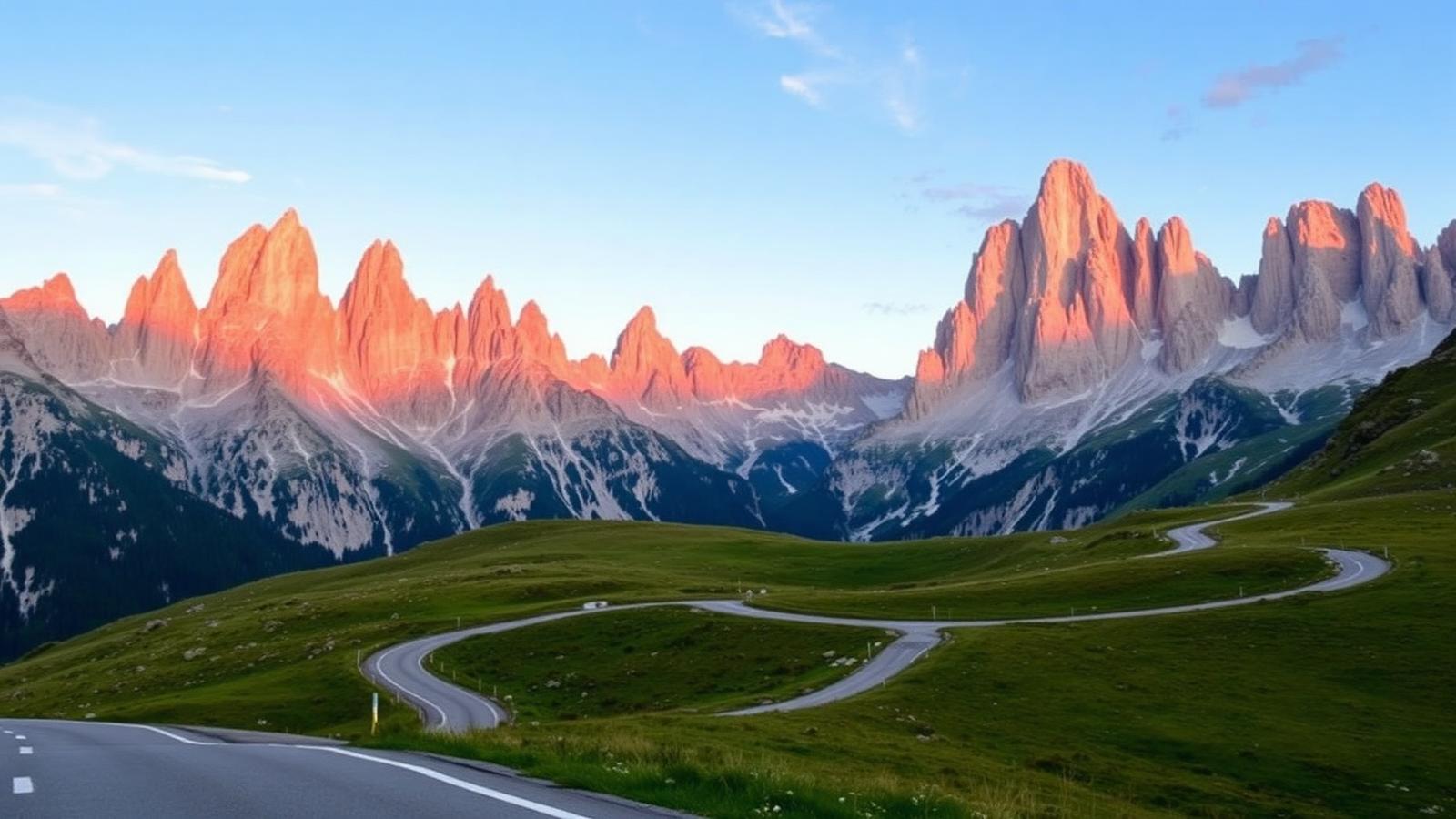
    L'Étape Campos do Jordão by Tour de France landscape
    Road · Fueling GuideUpdated Jul 2026

    L'Étape Campos do Jordão by Tour de France — Fueling Guide

    The official Tour de France gran fondo in the Serra da Mantiqueira — long paved climbs, altitude and cold-morning starts in Brazil's 'Swiss' highlands.

    Build Your Personalized Race Fueling Plan — $19

    Fueling challenges & strategy

    General, evidence-based guidance. Numbers should always be personalized to sweat rate, body mass, fitness and weather.

    Carbohydrate strategy

    70–100 g/hr of mixed-source carbohydrate (glucose : fructose ~1 : 0.8) for the 66 mi long course. Bias toward liquid and gel to sustain intake through the long Mantiqueira climbs. Trained guts can push toward 120 g/hr on the queen climb.

    Hydration

    17–27 fl oz/hr (17–27 fl oz/hr) on the long course. Dry mountain air makes sweat losses invisible — drink to the clock, not to thirst, especially in the first two cold hours when perceived need is lowest.

    Sodium

    500–800 mg of sodium per liter of fluid (600 mg/L is a good default). Cold-morning riders often under-salt; keep at least one bottle with sodium from the start. Salty sweaters should push toward 800–1,000 mg/L.

    Caffeine

    3–6 mg/kg body mass, split between pre-start (with breakfast) and the base of the biggest mid-race climb. A 154 lb (154 lb) rider targeting 5 mg/kg takes ~200 mg pre-race and 150 mg mid-race.

    Aid station strategy

    Treat each aid as a bottle swap first, calorie top-up second. Long-course aid stations are typically 18–25 mi apart, so plan bottle capacity for 90+ minutes between stops. Plan the last aid as your final chance — nothing before the finish.

    Pre-race breakfast

    1–4 g/kg carbohydrate 3–4 hours before the 06:00 start, from familiar low-fiber, low-fat foods. A 154 lb (154 lb) rider targets 140–280 g CHO. Rehearse the early-morning meal in training on 03:00 wake-ups at least twice.

    During-race execution

    Fuel by the clock from km 0 (mile 0). Cold and altitude suppress hunger, so a 15-minute alarm protects intake through the first climb. Chew when climbs allow, sip constantly on rolling sections, save the descents for holding position.

    Recovery

    1.0–1.2 g/kg carbohydrate and 0.3 g/kg protein within 60 minutes of finishing, plus 150% fluid replacement — critical after racing at altitude. Recovery nutrition at the finish tent shapes how much of your training you can do the following week.

    Fueling timeline by phase

    Grams and millilitres per hour for each phase of the race. Personalize to your sweat rate, body mass and conditions.

    L'Étape Campos do Jordão long course (66 mi / 7,550 ft) — targets for a 4–7 hour finish

    Phase 1 — Cold-morning rollout (Campos do Jordão)

    0–9 mi·0:00–0:45

    Carbs
    60–80 g/hr (start eating from km 0 — cold suppresses appetite)
    Fluids
    14–20 fl oz/hr (drink to clock, not thirst)
    Sodium
    500–700 mg/hr

    Caffeine: 150–200 mg with breakfast, 3–4 hours pre-start

    Focus: Do NOT chase early moves. You are at 5,250 ft and cold. Sit at 80–85% of your queen-climb wattage. Lock in a 15-min intake alarm.

    Phase 2 — Rolling plateau + first descent

    9–34 mi·0:45–2:15

    Carbs
    80–100 g/hr (bank calories on the fast rolling section)
    Fluids
    17–27 fl oz/hr as sun climbs and layers come off
    Sodium
    600–800 mg/hr

    Focus: Fastest section of the day. Get into a group, eat and drink hard. Enter aid 1 fully committed to swapping bottles.

    Phase 3 — Valley + queen-climb base

    34–43 mi·2:15–3:15

    Carbs
    80–100 g/hr (front-load before the queen)
    Fluids
    20–30 fl oz/hr as midday heat peaks
    Sodium
    700–900 mg/hr

    Caffeine: 150 mg at the base of the queen climb (aid 3)

    Focus: Force one full bottle and 60 g of carbs at aid 3. Take the second caffeine dose. This is the last real refuel before 45 minutes of sustained climbing.

    Phase 4 — Queen climb (Mantiqueira)

    43–53 mi·3:15–4:15

    Carbs
    90–100 g/hr (liquid + gel biased — chewing at threshold gets hard)
    Fluids
    17–24 fl oz/hr (sip constantly, small volumes)
    Sodium
    600–800 mg/hr

    Focus: Fixed HR / RPE ceiling (75–82% of altitude-adjusted FTP). Small gears, steady cadence. Do not chase surges — they come back on the descent.

    Phase 5 — Ridge, final aid + descent

    53–59 mi·4:15–4:45

    Carbs
    60–80 g/hr (one final gel at aid 4)
    Fluids
    14–20 fl oz/hr
    Sodium
    500–700 mg/hr

    Caffeine: 50–100 mg top-up at aid 4 if under daily cap

    Focus: Aid 4 is the last real chance — take a bottle even if you feel fine. Layer up before dropping into the shaded valley descent.

    Phase 6 — Final climb back into Campos do Jordão

    59–66 mi·4:45–finish

    Carbs
    60–80 g/hr (save one gel for the last 30 min)
    Fluids
    14–20 fl oz/hr
    Sodium
    500–700 mg/hr

    Focus: False-flat drag home that ruins under-fueled riders. Ride to power / HR, not to feel. Save 30 seconds per km in the head — the finish is closer than it feels.

    Targets are for the 66 mi long course (4–7 hr finish). Short-course riders (41 mi / 4,270 ft in 2.5–4 hr) can scale carb targets to 60–80 g/hr and skip the mid-race caffeine dose. Individual sweat rate can shift fluid and sodium targets by ±30% — personalize with a pre-race sweat test.

    Aid stations & crew strategy

    Every aid station along the L'Étape Campos do Jordão course, with crew access, drop-bag rules and the fueling action to execute at each stop.

    • Aid 1 — early plateau

      Mile ≈ km 35 (mile 22)· ≈ 4,590 ft

      Quick bottle swap. One gel. You are still cold — sip warm sports drink if available.

    • Aid 2 — pre-descent

      Mile ≈ km 55 (mile 34)· ≈ 3,940 ft

      Two full bottles. Extra gels for the queen climb (add 20-minute buffer). Second caffeine dose staged in jersey pocket.

    • Aid 3 — queen climb base

      Mile ≈ km 68 (mile 42)· ≈ 3,610 ft

      Force one bottle and 60 g of carbs even if you feel full. This is the last real refuel before 45 minutes of sustained climbing.

    • Aid 4 — post-queen ridge

      Mile ≈ km 90 (mile 56)· ≈ 5,415 ft

      Final aid. One bottle, one gel, one caffeine top-up (50–100 mg). Do not skip — the final climb back into town is longer than it looks.

    What most riders get wrong

    • 01

      Waiting to feel warm before eating

      Cold mornings delay appetite. Riders who wait to warm up are already 200–300 kcal down by the first big climb.

    • 02

      Under-drinking in dry mountain air

      Low humidity hides sweat losses. Cognitive fog and cramps in the final 19 mi almost always trace back to under-drinking before km 50 (mile 31).

    • 03

      Copying flat-race intake

      7,545 ft of climbing at altitude raises carbohydrate demand well above a rolling coastal gran fondo — the same 60 g/hr that felt fine at Rio Beach Cup will underfuel you here.

    • 04

      Trying to eat on the descents

      Fast Mantiqueira descents into cold valleys leave no margin for one-handed riding. Time calories to the climbs and rolling sections.

    • 05

      New products on race day

      Big-event nerves plus an unfamiliar gel is a reliable recipe for GI distress at altitude. Race what you have trained.

    • 06

      Skipping the last aid

      The final climb back into Campos do Jordão is where under-fueled riders lose the most time. One bottle and one gel at the last aid is cheap insurance.

    • 07

      Under-dressing for the start

      41 °F at 06:00 with a 25 mi descent in the first hour freezes hands and slows reaction time. Warm layers plus disposable arm covers are worth the weight.

    • 08

      Riding sea-level power on the queen climb

      Sustained aerobic power drops ~4–8% at 5,250–5,900 ft for unacclimated riders. Pace by HR or RPE, not by lowland FTP.

    • 09

      Skipping the pre-race dinner carb load

      Campos do Jordão restaurants close early and portions can be small. Book dinner by 19:00 or pre-buy carb-dense food to avoid a low-glycogen start.

    • 10

      No printed crew brief

      If you have crew or a team car, the cold and altitude will fry your memory. Print a laminated card with bottle order, layers and caffeine timing.

    Download the free printable race-day fueling checklist for L'Étape Campos do Jordão by Tour de France

    A practical race-week checklist: carbs, hydration, sodium, caffeine and race-day supplies — print it or keep it on your phone.

    Related FuelQ resources

    Free calculators, checklists and articles to help you personalize your L'Étape Campos do Jordão plan.

    Related content

    Frequently asked questions

    Generic fueling plans don't work for L'Étape Campos do Jordão.

    Every athlete is different. FTP, finish time, body weight, sweat rate, weather, nutrition preferences and race goals all change what you should eat and drink.

    FuelQ Pro builds a personalized race fueling strategy tuned to your ride — carbohydrate, hydration, sodium, caffeine and recovery, mapped to the course.

    Start with the free checklist

    A Race Fueling Plan gives you a personalized strategy for this event. The free checklist helps you prepare the basics first: race-week setup, 48-hour prep, race morning, hydration, sodium, caffeine, aid stations, and backup calories.