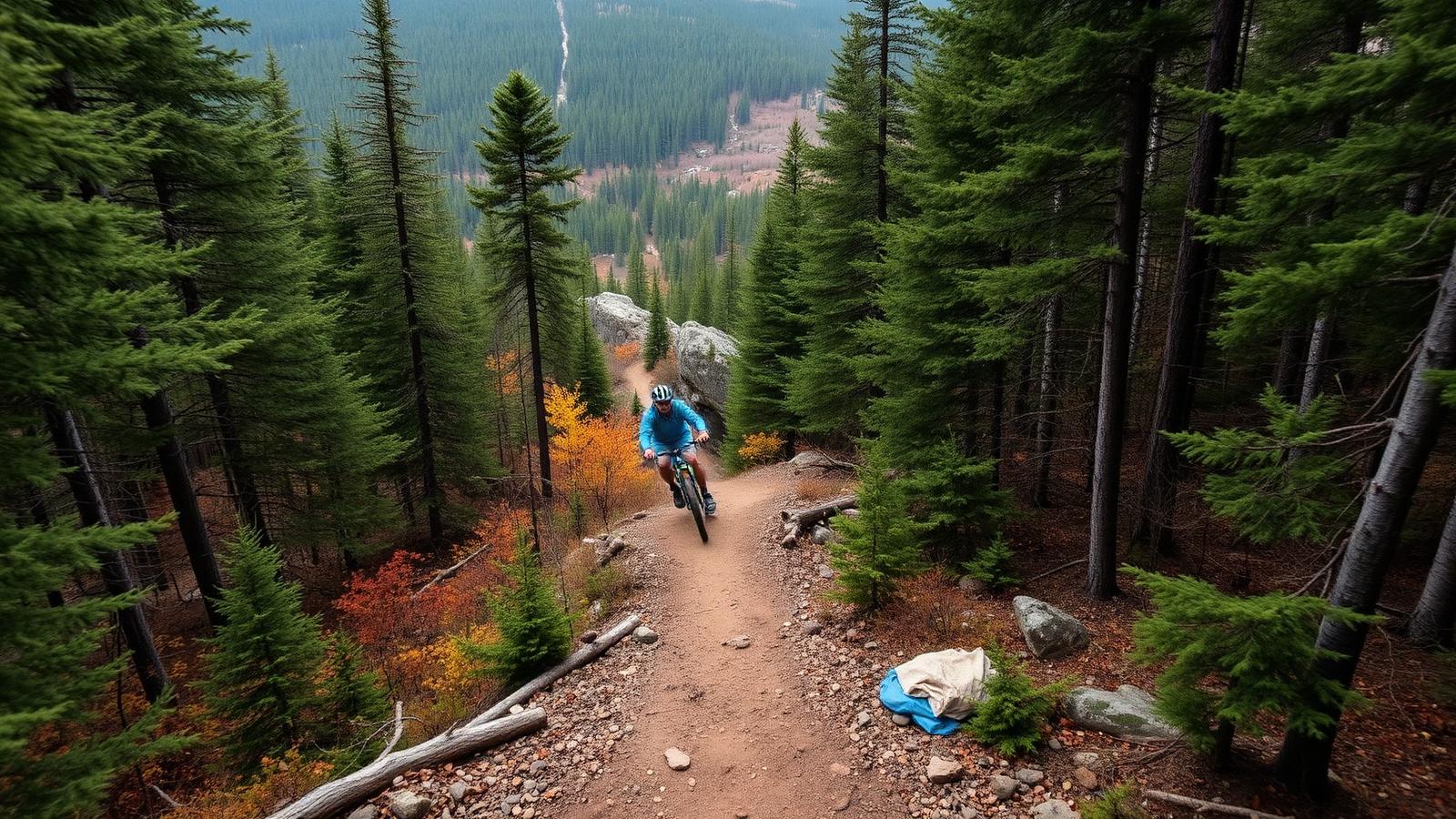
    Marji Gesick 100 landscape
    MTB · Fueling GuideUpdated Jul 2026

    Marji Gesick 100 — Fueling Guide

    Widely called the hardest 100-mile MTB race in North America. Technical, remote, unforgiving.

    Build Your Personalized Race Fueling Plan — $19

    Fueling challenges & strategy

    General, evidence-based guidance. Numbers should always be personalized to sweat rate, body mass, fitness and weather.

    Carbohydrate strategy

    Target 60–90 g/hr for most trained riders, biased toward liquid carbohydrate and gels for technical sections and solid food (rice cakes, waffles, small sandwiches) when the trail opens up. Gut-train for 90 g/hr in the last 6 weeks if you're chasing the buckle.


    Hydration

    17–34 fl oz/hr adjusted for temperature. Split water and drink mix across a hydration pack plus one or two bottles — the pack sustains intake through singletrack; bottles carry the carb mix.

    Sodium

    400–1000 mg of sodium per liter of fluid, tuned to your sweat sodium concentration. Over a 14+ hour day the sodium ledger matters as much as the carb ledger.

    Caffeine

    3–6 mg/kg body mass, held back from the start. A typical pattern: 100 mg at 6 h, 100–200 mg every 3–4 h through the night hours.

    Aid station strategy

    Pre-stage drop bags with pre-mixed bottles, pre-counted gels and one warm layer per bag. Every minute you don't spend counting is a minute of daylight preserved. Target < 3 min at early stops, < 8 min at the halfway drop.

    Pre-race breakfast

    1–4 g/kg carbohydrate 2–4 hours pre-start, from rehearsed low-fiber, low-fat foods — oatmeal with honey and banana, white toast with jam, or a rice bowl.

    During-race execution

    Alarm-based fueling every 15–20 minutes. Sip on every doubletrack second. Chew whenever the trail lets you take a hand off the bar. Front-load calories before every rock garden.

    Recovery

    Within 60 minutes of finishing: 1.0–1.2 g/kg carbohydrate, 0.3 g/kg protein, and enough fluid to replace ~150% of body-mass losses. Warm calories go down easier after a cold night finish.

    Aid stations & crew strategy

    Every aid station along the Marji Gesick course, with crew access, drop-bag rules and the fueling action to execute at each stop.

    • Aid 1 — early South Trails

      Mile ≈ 15

      Top off one bottle only. No stopping if you're on buckle pace.

    • Aid 2 — Blueberry Ridge area

      Mile ≈ 25Crew

      Bottle swap, 2 gels in pocket, quick calorie hit. Target < 3 min.

    • Aid 3 — mid-race hub

      Mile ≈ 45CrewDrop bag

      Full reset: fresh bottles, refilled gel supply, warm layer if needed, sunscreen. Target < 8 min.

    • Aid 4 — Negaunee area

      Mile ≈ 65Crew

      Real food, second caffeine dose, headlamp on the bar if you're outside buckle pace.

    • Aid 5 — late RAMBA

      Mile ≈ 80CrewDrop bag

      Second full reset. Lights confirmed on, warm layer on, final calorie load. Do not skip.

    • Finish — Ishpeming

      Mile 100Crew

      Immediate recovery: 60 g CHO + 20 g protein + 17 fl oz fluid within 30 min of stopping.

    What most riders get wrong

    • 01

      Trying to eat in singletrack

      You cannot chew safely in rock gardens. Front-load calories before technical sections rather than skipping them.

    • 02

      Under-drinking in the cold

      Cool weather suppresses thirst even as respiratory water loss stays high. Structured intake matters more, not less.

    • 03

      Overloading solid food early

      Bars feel filling and then sit in the stomach for hours on rough terrain. Prioritize liquid and gel calories in the first 6 hours.

    • 04

      No lighting or night-fueling plan

      Riders finishing after dark often abandon fueling to conserve mental bandwidth. Rehearse night riding and night eating in training.

    • 05

      Chasing the buckle without pacing math

      Sub-12 requires ~8 mph moving average on this terrain. Riders who don't compute a stop-time budget blow up on Jasper.

    • 06

      New gear or new nutrition on race day

      Marji amplifies every small GI or mechanical issue. Race only what you've rehearsed for 6+ hour rides.

    • 07

      Skipping the last drop bag

      The final 20 miles are where under-fueled riders concede 30+ minutes and often the buckle.

    • 08

      Waiting until thirsty

      Thirst under-reports deficit. Over a 14-hour day the gap compounds into cramping and lost decision quality.

    • 09

      Ignoring iron and ferritin

      Chronic low ferritin destroys your ability to hold pace late. Check labs 3+ months out; correct with food or supplementation as your clinician advises.

    • 10

      No crew brief

      Crew that doesn't know your bottle order, gel count and cutoff clock will cost you time exactly when you cannot afford it.

    Download the Printable Marji Gesick 100 Race Guide

    Get a practical planning document with the course breakdown, aid-station strategy, fueling and hydration worksheets, race-morning timeline, equipment checklist, crew notes, and space for your own plan.

    Related FuelQ resources

    Free calculators, checklists and articles to help you personalize your Marji Gesick plan.

    Related content

    Frequently asked questions

    Generic fueling plans don't work for Marji Gesick.

    Every athlete is different. FTP, finish time, body weight, sweat rate, weather, nutrition preferences and race goals all change what you should eat and drink.

    FuelQ Pro builds a personalized race fueling strategy tuned to your ride — carbohydrate, hydration, sodium, caffeine and recovery, mapped to the course.

    Start with the free checklist

    A Race Fueling Plan gives you a personalized strategy for this event. The free checklist helps you prepare the basics first: race-week setup, 48-hour prep, race morning, hydration, sodium, caffeine, aid stations, and backup calories.