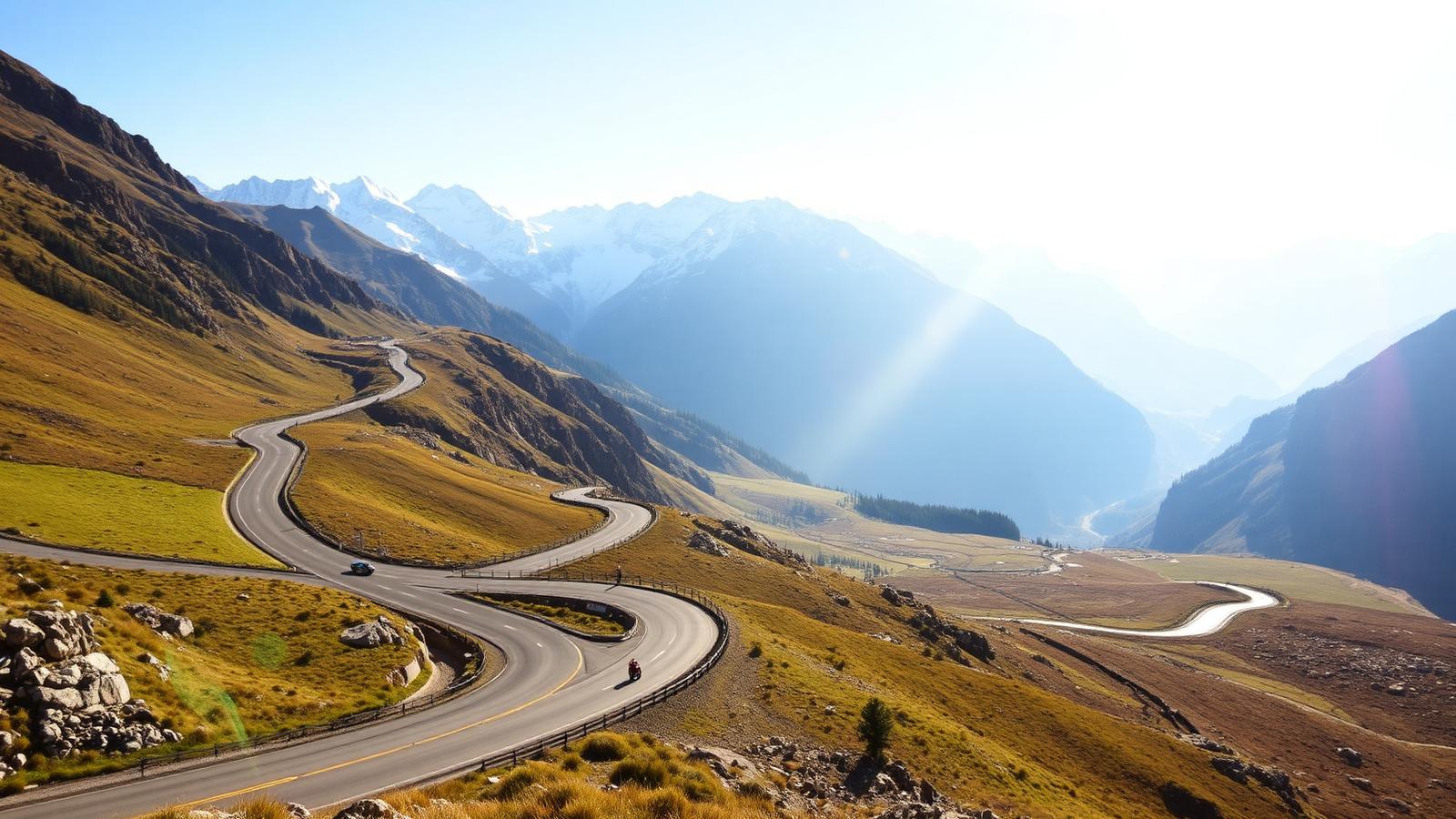
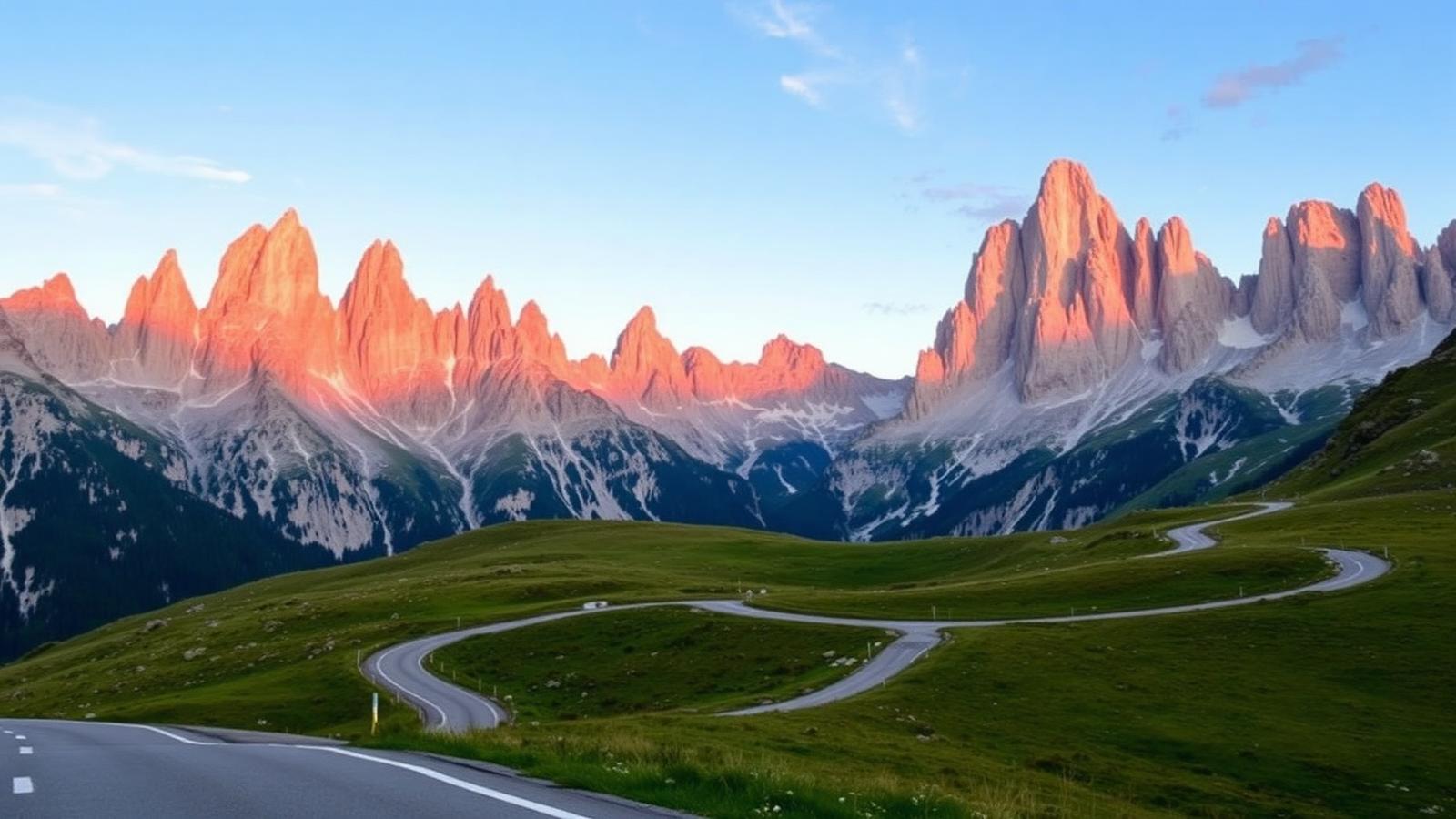
Fueling timeline by phase
Grams and millilitres per hour for each phase of the race. Personalize to your sweat rate, body mass and conditions.
Ötztaler Radmarathon · phased for a 10-hour mid-pack finisher
Pre-race breakfast (T-3 h to T-30 min)
Sölden hotel·3 h before roll-out
- Carbs
- 1–3 g/kg body mass (rehearsed foods only)
- Fluids
- 17–27 fl oz with 500–800 mg sodium
- Sodium
- 500–800 mg
Caffeine: 100–200 mg 20–30 min pre-start
Focus: Familiar breakfast at 4:00 AM: bread + jam + banana + coffee, or oatmeal + honey. Empty the bladder twice. Layer for a cool 46–54 °F start you can shed after Kühtai.
Phase 1 — Sölden → base of Kühtai (km 0–35)
0–22 mi·0:00 – 1:15
- Carbs
- 80–100 g/hr (peak gut tolerance)
- Fluids
- 17–24 fl oz/hr (cool early)
- Sodium
- 500–700 mg/L
Focus: Neutral rollout down the valley. Do not chase the front group. Sit at high zone-2 heart rate. Fuel proactively — Kühtai will kill appetite fast.
Phase 2 — Kühtai climb & descent (km 35–75)
22–47 mi·1:15 – 3:00
- Carbs
- 60–80 g/hr on the climb; 80–100 g/hr on the descent recovery
- Fluids
- 20–27 fl oz/hr
- Sodium
- 600–800 mg/L
Focus: 11 mi climb at 8.5 % avg. Cap effort at 75–80 % of altitude-adjusted FTP. On the descent to Inzing, layer up (arm warmers back on, vest zipped) and force one bottle down — cold suppresses thirst.
Phase 3 — Inn Valley to Brenner Pass (km 75–115)
47–71 mi·3:00 – 4:30
- Carbs
- 80–100 g/hr (fastest section — protect it)
- Fluids
- 24–30 fl oz/hr (warming up)
- Sodium
- 700–900 mg/L
Caffeine: 100 mg mid-block
Focus: Rolling Inn Valley → Brenner is the fastest section of the race. Sit in groups, take pulls when it makes sense, and eat aggressively — this is your best window to bank calories before Jaufenpass.
Phase 4 — Descent to Sterzing & Jaufenpass climb (km 115–170)
71–106 mi·4:30 – 7:00
- Carbs
- 60–80 g/hr on the climb (dropping tolerance)
- Fluids
- 27–34 fl oz/hr (peak heat in Italian valley)
- Sodium
- 800–1,000 mg/L
Caffeine: 100 mg at Sterzing aid
Focus: Sterzing aid stop is the natural mid-race reset — hot food, extra bottles, layer decision for the Jaufen. The 10 mi climb at 7.5 % is deceptively long; ride to power, not to feel.
Phase 5 — Jaufen descent & Timmelsjoch climb (km 170–220)
106–137 mi·7:00 – 10:00
- Carbs
- 50–70 g/hr (accept altitude tolerance drop)
- Fluids
- 24–34 fl oz/hr
- Sodium
- 700–1,000 mg/L
Caffeine: 100–150 mg at the base of Timmelsjoch
Focus: The signature climb. 17 mi from the Italian side with pitches to 12 %. Small gears, steady breathing, keep sipping. Above 7,220 ft expect intake to feel harder — do not fight nausea, back off to liquid calories.
Phase 6 — Timmelsjoch descent to Sölden finish (km 220–238)
137–148 mi·10:00 – 10:30
- Carbs
- 60–80 g/hr (recover for the descent)
- Fluids
- 17–24 fl oz/hr
- Sodium
- 500–700 mg/L
Focus: The most dangerous descent of the day: 16 mi, cold, technical, fatigued. Full layers on at the summit, gloves changed to full-finger, one last gel before you drop in. Ride within your skills — a crash here after 10 hours is the classic Ötztaler DNF.
Recovery (T+0 to T+24 h)
Sölden finish·First 24 h after crossing the line
- Carbs
- 1.0–1.2 g/kg within 60 min, then 8–10 g/kg over 24 h
- Fluids
- 150 % of estimated body-mass loss with sodium
- Sodium
- 3,000–5,000 mg cumulative day 1 post-race
Focus: Freizeit Arena pasta party first, then warm shower, warm clothes. Real Austrian food (Kaiserschmarrn, Wiener Schnitzel, Apfelstrudel) beats another gel. Ferritin, vitamin D and iron check 7–10 days after the race, not immediately.
Numbers assume a 10-hour finisher in typical late-August Tyrol conditions (46–54 °F start in Sölden, 68–82 °F in Inn Valley + Italian side, 36–46 °F on Timmelsjoch summit). Faster riders (sub-8 hours) compress phases and can hold 100+ g/hr through most of the race. Slower riders (11–13 hours) should bias to more real food and add a second caffeine window to protect late-race cognition. Individual sweat rate can shift fluid and sodium targets by ±30 % — personalize with a pre-race sweat test in similar mountain conditions.